Cyperaceae
Egyptian Papyrus (Cyperus papyrus): Complete Care Guide
Cyperus papyrus
Egyptian Papyrus requires full sun and constantly wet or submerged roots. As a semi-aquatic plant, it must never dry out — grow it in a pond, water tray, or permanently saturated soil. Fertilize monthly in spring and summer. Protect from temperatures below 40°F (5°C). Fast-growing and dramatic in the right conditions.
Every 1 days
Direct sun
5° - 31°C
60% - 90%
Categories
What is Egyptian Papyrus?
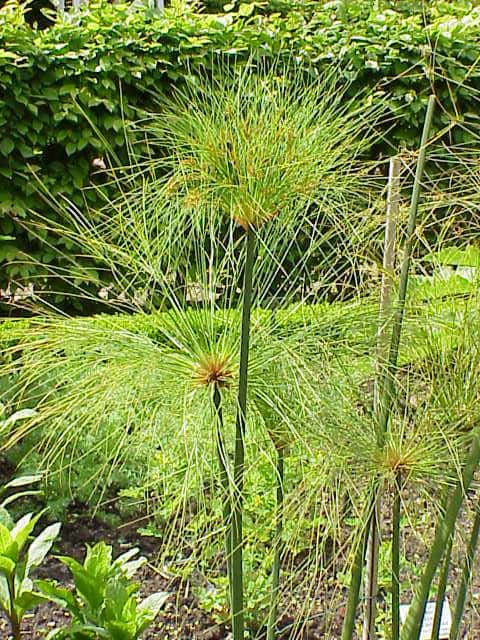
Egyptian Papyrus (Cyperus papyrus) is a medium-care plant from the Cyperaceae family. Cyperus papyrus, commonly known as Egyptian Papyrus or Paper Reed, is a majestic semi-aquatic plant native to the banks of the Nile River in northeastern Africa. Its tall, triangular stems can reach up to 16 feet (5 meters) in height, topped with feathery, umbrella-like clusters of thread-fine rays....
Egyptian Papyrus grows up to 5.0m, spread of 120cm, watering every 1 days, 5°C – 31°C, 60–90% humidity. It is suitable for indoor environments and safe for pets.
Unlike many popular species, Egyptian Papyrus is safe to keep around pets. Without adequate drainage, root rot can develop within 7 days.
How to Care for Egyptian Papyrus?
TLDR: Egyptian Papyrus needs Direct sun, watering every 1 days, and temperatures between 5-31°C with 60-90% humidity.
How Often Should You Water Egyptian Papyrus?
Keep roots permanently wet or submerged. Place the pot in a tray of standing water or directly in a pond/water feature. In hot climates, daily watering may be necessary for container-grown plants. This plant cannot tolerate drought under any circumstances.
How Much Light Does Egyptian Papyrus Need?
Requires full sun — at least 6 hours of direct sunlight daily. Indoors, place in the brightest south-facing window available. Insufficient light causes weak, etiolated stems and loss of the plant's impressive upright form.
What Is the Best Soil for Egyptian Papyrus?
Prefers heavy, loamy to clay soil rich in organic matter, pH 6.0–8.0. In containers, use a heavy potting mix with added clay or garden loam. Can also be grown directly in water without substrate. Good drainage is not needed — waterlogged conditions are preferred.
What Pot Should You Use for Egyptian Papyrus?
Heavy ceramic, stone, or concrete containers work best to anchor this tall plant against wind. For water cultivation, use pots without drainage holes or place directly in a pond or water feature. Avoid lightweight plastic pots that tip over.
Care Schedule
Fertilize
Every 30 days
Repot
Every 365 days
What Is Egyptian Papyrus and Where Does It Come From?
Cyperus papyrus, commonly known as Egyptian Papyrus or Paper Reed, is a majestic semi-aquatic plant native to the banks of the Nile River in northeastern Africa. Its tall, triangular stems can reach up to 16 feet (5 meters) in height, topped with feathery, umbrella-like clusters of thread-fine rays. One of the most historically significant plants in human civilization, it was the source of the world's first paper. Today it thrives in water gardens, ponds, and large containers.
How to Propagate Egyptian Papyrus?
Clump Division
Division is the easiest and most reliable method. Do it in spring for best results. Use clean tools to prevent disease transfer.
- 1 Remove the plant from its container or pond carefully
- 2 Divide the clump into sections of 3-5 stems each
- 3 Replant each section in waterlogged soil or directly in water
- 4 Keep roots consistently moist throughout the process
Materials needed:
Seed Sowing
Seed germination is slow and unpredictable. Division is strongly preferred for faster, more reliable results.
- 1 Spread seeds over moist substrate or shallow water
- 2 Maintain temperature at 68-77°F (20-25°C)
- 3 Wait for germination — may take 4-8 weeks
- 4 Transplant seedlings when they reach 4 inches (10 cm)
Materials needed:
How Big Does Egyptian Papyrus Grow?
TLDR: Egyptian Papyrus can reach up to 5.0m tall with Fast growth rate.
Max height
5.0m
Spread
1.2m
Growth rate
Fast
Foliage
Evergreen
Plant Uses
Ornamental
Great for decoration
Medicinal
Medicinal properties
Medicinal Uses
- Historically used in ancient Egypt to treat inflammation and fever; roots and rhizomes used in traditional African medicine
Is your plant showing symptoms?
Click on the symptom to discover possible causes:
What Diseases Commonly Affect Egyptian Papyrus?
TLDR: Egyptian Papyrus is susceptible to 8 known diseases. Monitor regularly for early detection.
Root Rot
Root rot is a serious fungal disease that affects the root system of plants, causing them to decay and die. It is primarily caused by overwatering, poor drainage, or soil-borne fungi such as Pythium, Phytophthora, Rhizoctonia, and Fusarium. The disease thrives in waterlogged conditions where roots are deprived of oxygen, making them susceptible to fungal infection.
Rust
Rust is a common fungal disease caused by fungi in the order Pucciniales that affects a wide variety of plants. The disease gets its name from the characteristic orange, yellow, or reddish-brown pustules that appear on leaves, resembling metal rust. This obligate fungal parasite requires living plants to survive and can cause significant economic losses in agricultural crops.
Aphids
Aphids are small, soft-bodied, pear-shaped insects (1/16 to 1/8 inch long) that feed by sucking nutrient-rich sap from plants. They reproduce rapidly and can quickly weaken plants, causing distorted growth and transmitting plant viruses. Aphids come in various colors including green, black, red, yellow, brown, and gray. They secrete honeydew, a sticky substance that attracts ants and encourages sooty mold growth.
Mealybugs
Mealybugs are small, soft-bodied insects covered with a white, waxy, cottony material. They are common pests of houseplants and outdoor plants in mild climates. These sap-sucking insects feed on plant tissue, causing damage, stunted growth, and can lead to plant death if left untreated. They produce sticky honeydew which attracts sooty mold.
Meaning & Symbolism
In ancient Egyptian culture, papyrus symbolized knowledge, writing, and rebirth. Associated with the goddess Isis and the Nile Delta, it represented life rising from the primordial waters. The word "paper" itself derives from "papyrus".
Fun Facts
Papyrus was the world's first paper — used by ancient Egyptians over 4,000 years ago, and the word "paper" derives from "papyrus"
A single papyrus clump can grow more than 3 feet per year under ideal conditions
Papyrus stems have a distinctive triangular cross-section, unlike most aquatic plants
Papyrus nearly disappeared from Egypt but was reintroduced in the 20th century after centuries of absence from the Nile
Frequently asked questions
How often should I water Egyptian Papyrus?
Can I grow papyrus indoors?
Is Egyptian Papyrus toxic to pets?
What temperature can papyrus tolerate?
How do I propagate papyrus?
Compare with similar plants
| Attribute | Difficulty | Light | Watering | Pet Safe |
|---|---|---|---|---|
| Dark Fieldcap | Medium | Low light | 2d | ⚠️ |
| Azalea | Medium | Partial shade | 3d | ⚠️ |
| Bougainvillea | Medium | Direct sun | 7d | ⚠️ |
| Wild Lettuce | Medium | Direct sun | 7d | ⚠️ |



