Acanthaceae
Persian shield: Fast Growing
Strobilanthes dyeriana
Persian Shield thrives in warm, humid environments with bright indirect light. Consistent moisture and high humidity are key to preventing leaf drop and maintaining its vibrant colors.
Every 6 days
Partial shade
16° - 24°C
50% - 80%
Categories
What is Persian shield?
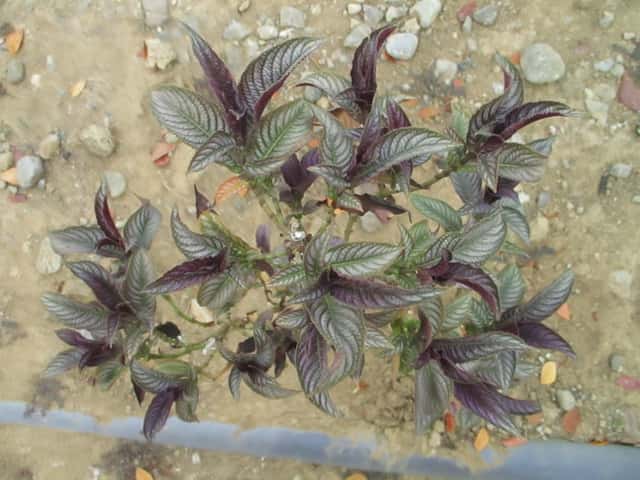
Persian shield (Strobilanthes dyeriana) is a medium-care plant from the Acanthaceae family. Strobilanthes dyeriana, commonly known as Persian Shield, is a stunning tropical evergreen subshrub native to Myanmar. It is highly prized for its lance-shaped leaves that feature a brilliant iridescent purple sheen with silver highlights and dark green veins. The underside of the foliage is a deep...
Persian shield grows up to 1.2m, with spread of 90cm, watering every 6 days, 16°C – 24°C, 50–80% humidity. It is suitable for indoor environments and safe for pets.
Unlike many popular species, Persian shield is safe to keep around pets. Without adequate drainage, root rot can develop within 12 days.
How to Care for Persian shield?
TLDR: Persian shield needs Partial shade, watering every 6 days, and temperatures between 16-24°C with 50-80% humidity.
How Often Should You Water Persian shield?
Keep the soil consistently moist but not soggy. If the plant wilts, it usually needs immediate watering, but avoid letting it sit in standing water.
How Much Light Does Persian shield Need?
Place in bright, filtered light. Morning sun is acceptable, but harsh afternoon sun will bleach the iridescent purple color and may scorch the leaves.
What Is the Best Soil for Persian shield?
A peat-based potting mix with perlite or vermiculite ensures the rich, moist, yet well-draining environment this plant loves.
What Pot Should You Use for Persian shield?
A plastic or glazed ceramic pot is ideal to help retain soil moisture, provided it has adequate drainage holes.
Care Schedule
Fertilize
Every 30 days
Misting
Every 3 days
Rotate
Every 14 days
Repot
Every 365 days
What Is Persian shield and Where Does It Come From?
Strobilanthes dyeriana, commonly known as Persian Shield, is a stunning tropical evergreen subshrub native to Myanmar. It is highly prized for its lance-shaped leaves that feature a brilliant iridescent purple sheen with silver highlights and dark green veins. The underside of the foliage is a deep maroon. While it can produce small violet flowers in winter, it is primarily grown for its spectacular foliage which adds a dramatic touch to any plant collection.
How to Propagate Persian shield?
Stem Cuttings
- Use a rooting hormone for faster results when planting in soil
- Keep cuttings in a warm, humid spot with indirect light
- Cover soil cuttings with a plastic bag to create a mini-greenhouse effect
- 1 Take Cutting
Cut a 3-4 inch tip from a healthy, non-flowering stem using clean shears.
- 2 Prepare Stem
Remove the lower leaves to expose the nodes, leaving only a few leaves at the top.
- 3 Rooting
Place the cutting in a jar of water or directly into moist potting soil. If using soil, keep it consistently damp.
Materials needed:
How Big Does Persian shield Grow?
TLDR: Persian shield can reach up to 1.2m tall with Fast growth rate.
Max height
1.2m
Spread
90cm
Growth rate
Fast
Foliage
Evergreen
Plant Uses
Ornamental
Great for decoration
Is your plant showing symptoms?
Click on the symptom to discover possible causes:
What Diseases Commonly Affect Persian shield?
TLDR: Persian shield is susceptible to 12 known diseases. Monitor regularly for early detection.
Root Rot
Root rot is a serious fungal disease that affects the root system of plants, causing them to decay and die. It is primarily caused by overwatering, poor drainage, or soil-borne fungi such as Pythium, Phytophthora, Rhizoctonia, and Fusarium. The disease thrives in waterlogged conditions where roots are deprived of oxygen, making them susceptible to fungal infection.
Overwatering
Overwatering occurs when plants receive too much water, depriving roots of oxygen and causing root rot. This environmental stress is one of the most common causes of houseplant death, as waterlogged soil prevents roots from breathing and functioning properly.
Low Humidity Stress
Low humidity stress occurs when indoor air becomes too dry, causing plants to lose moisture faster than they can absorb it through their roots. This is especially common during winter heating periods, near radiators and heating vents, or in air-conditioned spaces. Tropical plants are particularly susceptible to low humidity damage.
Spider Mites
Spider mites are tiny arachnids (less than 1/20 inch long) related to spiders and ticks that feed on plant sap. They thrive in hot, dry conditions and can cause significant damage to ornamental and vegetable plants. During severe infestations, crop losses can reach 14% or higher as these pests disrupt vital plant processes including photosynthesis, carbon dioxide absorption, and transpiration.
Meaning & Symbolism
Often associated with royalty, exotic beauty, and mystery due to its deep purple hues.
Compare with similar plants
| Attribute | Difficulty | Light | Watering | Pet Safe |
|---|---|---|---|---|
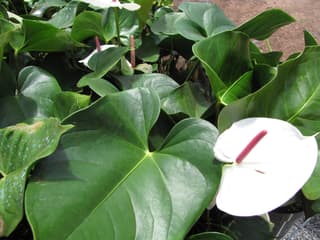
| Flamingo Flower | Medium | Partial shade | 5d | ⚠️ |
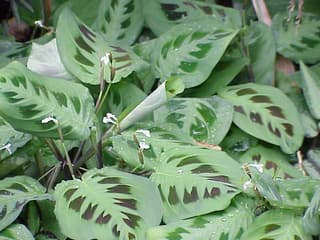
| Prayer Plant | Medium | Partial shade | 3d | ✓ |
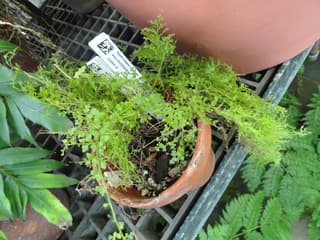
| Boston Fern | Medium | Partial shade | 3d | ✓ |
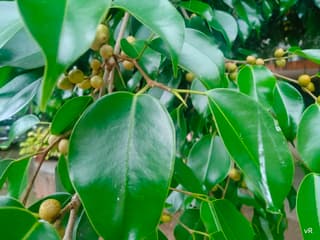
| Weeping Fig | Medium | Partial shade | 10d | ⚠️ |