Bignoniaceae
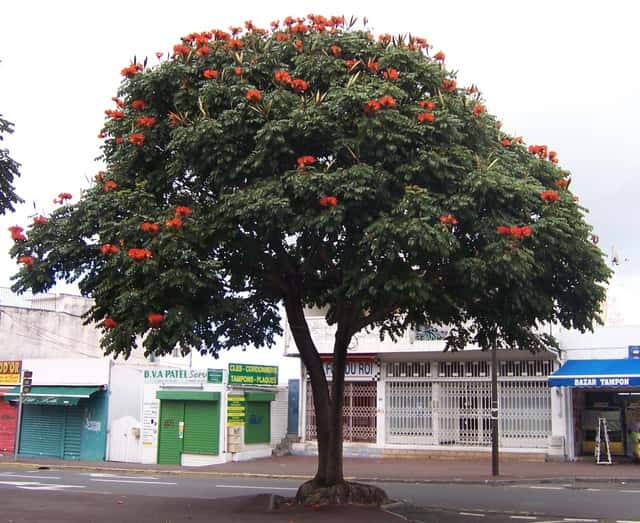
African Tulip Tree — Spathodea campanulata
Spathodea campanulata
The African Tulip Tree thrives in full sun and well-draining loamy soil. Water regularly when young to establish roots; mature trees tolerate short dry spells. Fertilize every 3 months during the growing season. Avoid waterlogged soil. Prune to maintain shape and remove dead branches every 6 months.
Every 7 days
Direct sun
15° - 35°C
60% - 85%
Categories
What is African Tulip Tree?
African Tulip Tree (Spathodea campanulata) is a medium-care plant from the Bignoniaceae family. Spathodea campanulata, commonly known as the African Tulip Tree, is a fast-growing evergreen tree native to the tropical rainforests of West and Central Africa. It is celebrated for its spectacular clusters of large, cup-shaped scarlet to orange flowers that blaze against its dense, dark green canop...
African Tulip Tree grows up to 25.0m, with spread of 1500cm, watering every 7 days, 15°C – 35°C, 60–85% humidity. It is not suitable for indoor environments and not safe for pets.
Without precautions, ingestion can cause irritation in pets. Keep out of reach of cats and dogs.
How to Care for African Tulip Tree?
TLDR: African Tulip Tree needs Direct sun, watering every 7 days, and temperatures between 15-35°C with 60-85% humidity.
How Often Should You Water African Tulip Tree?
Water deeply every 7 days for young trees. Once established (2+ years), the tree becomes moderately drought-tolerant but performs best with consistent moisture. Avoid waterlogging, which can lead to root rot.
How Much Light Does African Tulip Tree Need?
Requires full direct sunlight — at least 6 hours daily. Plant in an open area with no overhead shade. This tree does not tolerate low light conditions and will not flower without abundant sun.
What Is the Best Soil for African Tulip Tree?
Plant in loamy, well-draining soil with a pH between 4.5 and 8.0. Amend heavy clay soils with sand and compost to improve drainage. Avoid compacted or waterlogged ground.
What Pot Should You Use for African Tulip Tree?
For container growing, use a large, deep pot (60+ cm diameter) with excellent drainage holes. Choose a heavy terracotta or concrete pot to provide stability against wind. Unglazed terracotta helps prevent waterlogging.
Care Schedule
Fertilize
Every 90 days
Repot
Every 730 days
What Is African Tulip Tree and Where Does It Come From?
Spathodea campanulata, commonly known as the African Tulip Tree, is a fast-growing evergreen tree native to the tropical rainforests of West and Central Africa. It is celebrated for its spectacular clusters of large, cup-shaped scarlet to orange flowers that blaze against its dense, dark green canopy. Growing up to 25 meters tall in ideal conditions, this majestic tree has been planted across tropical regions worldwide as an ornamental shade tree. Despite its beauty, it is considered invasive in several regions outside its native range.
How to Propagate African Tulip Tree?
Seed Propagation
Fresh seeds germinate faster. Keep soil moist but not waterlogged during germination. Seeds lose viability quickly, so sow soon after collection.
- 1 Collect ripe seed pods and allow them to dry fully
- 2 Separate seeds from the papery wings
- 3 Sow seeds in moist, well-draining seed-starting mix
- 4 Keep in a warm location (25-30°C) in bright indirect light
- 5 Germination occurs in 2-4 weeks
- 6 Transplant seedlings when 15-20 cm tall
Materials needed:
Semi-Hardwood Cutting
Mist the cutting daily to maintain humidity. Avoid direct sun until rooted.
- 1 Take a 20-30 cm semi-hardwood cutting from a healthy branch
- 2 Remove lower leaves, keeping 2-3 at the tip
- 3 Dip the cut end in rooting hormone powder
- 4 Plant in moist perlite or sand mix
- 5 Keep humid and warm until roots develop in 4-6 weeks
Materials needed:
How Big Does African Tulip Tree Grow?
TLDR: African Tulip Tree can reach up to 25.0m tall with Fast growth rate.
Max height
25.0m
Spread
15.0m
Growth rate
Fast
Foliage
Evergreen
Warning: Toxic Plant
This plant can be toxic if ingested. Keep out of reach of:
Plant Uses
Ornamental
Great for decoration
Medicinal
Medicinal properties
Medicinal Uses
- Bark extracts used in traditional medicine for malaria treatment
- Leaf decoctions used for kidney disease and urethral inflammation
- Flower preparations used as diuretic and anti-inflammatory
- Sap used traditionally as a poison antidote and for wound healing
Is your plant showing symptoms?
Click on the symptom to discover possible causes:
What Diseases Commonly Affect African Tulip Tree?
TLDR: African Tulip Tree is susceptible to 4 known diseases. Monitor regularly for early detection.
Root Rot
Root rot is a serious fungal disease that affects the root system of plants, causing them to decay and die. It is primarily caused by overwatering, poor drainage, or soil-borne fungi such as Pythium, Phytophthora, Rhizoctonia, and Fusarium. The disease thrives in waterlogged conditions where roots are deprived of oxygen, making them susceptible to fungal infection.
Aphids
Aphids are small, soft-bodied, pear-shaped insects (1/16 to 1/8 inch long) that feed by sucking nutrient-rich sap from plants. They reproduce rapidly and can quickly weaken plants, causing distorted growth and transmitting plant viruses. Aphids come in various colors including green, black, red, yellow, brown, and gray. They secrete honeydew, a sticky substance that attracts ants and encourages sooty mold growth.
Spider Mites
Spider mites are tiny arachnids (less than 1/20 inch long) related to spiders and ticks that feed on plant sap. They thrive in hot, dry conditions and can cause significant damage to ornamental and vegetable plants. During severe infestations, crop losses can reach 14% or higher as these pests disrupt vital plant processes including photosynthesis, carbon dioxide absorption, and transpiration.
Caterpillars
Caterpillars are the larval stage of moths and butterflies that feed voraciously on plant foliage, stems, flowers, and fruits. Common species include cabbage loopers, tomato hornworms, armyworms, and cutworms. These pests can cause extensive damage by consuming large amounts of plant tissue in a short time. They vary in size from small (1/4 inch) to large (5 inches), with colors ranging from green to brown, often featuring stripes or spots. Caterpillars are highly mobile and can quickly spread throughout gardens, making them one of the most destructive common pests.
Meaning & Symbolism
The African Tulip Tree is a symbol of tropical vitality and passion across African cultures. Its brilliant red blooms represent strength, warmth, and the abundance of the natural world. In some communities, the tree is associated with protection and healing.
Fun Facts
The African Tulip Tree flowers are shaped like cups and can hold water — children across Africa play with the buds as water pistols
It is one of the fastest-growing tropical trees, capable of adding 1-2 meters of growth per year under ideal conditions
Despite being invasive elsewhere, it is an important pioneer species in its native African forests, helping restore degraded land
The tree attracts sunbirds, hummingbirds, and bats as pollinators, making it a vital part of tropical ecosystems
Frequently asked questions
How often should I water an African Tulip Tree?
Is the African Tulip Tree toxic?
Can I grow an African Tulip Tree in a pot?
When does the African Tulip Tree flower?
Is the African Tulip Tree invasive?
Compare with similar plants
| Attribute | Difficulty | Light | Watering | Pet Safe |
|---|---|---|---|---|
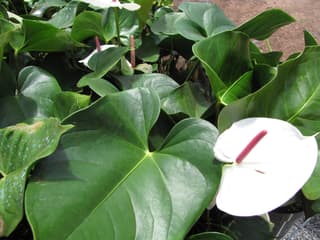
| Flamingo Flower | Medium | Partial shade | 5d | ⚠️ |
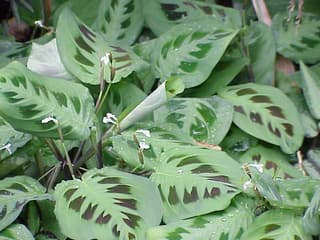
| Prayer Plant | Medium | Partial shade | 3d | ✓ |
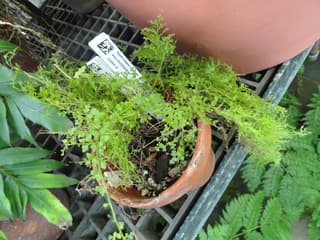
| Boston Fern | Medium | Partial shade | 3d | ✓ |
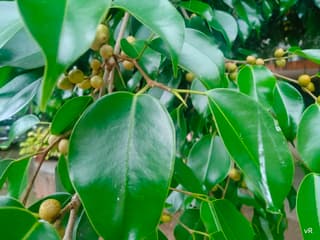
| Weeping Fig | Medium | Partial shade | 10d | ⚠️ |