Celastraceae
Japanese Spindle Tree (Euonymus japonicus)
Euonymus japonicus
Hardy, low-maintenance evergreen shrub. Prefers full sun to partial shade with well-drained soil. Water moderately, letting soil dry slightly between waterings. Drought-tolerant once established. Responds well to shearing, ideal for hedges and topiary.
Every 14 days
Bright indirect
4° - 20°C
30% - 60%
Categories
What is Japanese Spindle Tree?
Japanese Spindle Tree (Euonymus japonicus) is a medium-care plant from the Celastraceae family. Euonymus japonicus, commonly known as the Japanese Spindle Tree, is an evergreen shrub native to Japan, Korea, and China. It is widely cultivated as an ornamental plant and hedging shrub throughout temperate regions worldwide. Growing at a medium rate, it can reach over 4.5 meters tall and is prized...
Japanese Spindle Tree grows up to 4.6m, with spread of 244cm, watering every 14 days, 4°C – 20°C, 30–60% humidity. It is not suitable for indoor environments and not safe for pets.
Without precautions, ingestion can cause irritation in pets. Keep out of reach of cats and dogs.
How to Care for Japanese Spindle Tree?
TLDR: Japanese Spindle Tree needs Bright indirect, watering every 14 days, and temperatures between 4-20°C with 30-60% humidity.
How Often Should You Water Japanese Spindle Tree?
Water deeply every 10-14 days, allowing the soil to dry slightly between waterings. Container-grown plants may need more frequent watering during hot summers. Reduce frequency in winter. Avoid waterlogging to prevent root rot.
How Much Light Does Japanese Spindle Tree Need?
Prefers full sun for most vigorous growth but tolerates partial shade. In hot summer climates, provide afternoon shade. Avoid deep shade as the plant loses vitality and becomes more susceptible to pests and diseases.
What Is the Best Soil for Japanese Spindle Tree?
Thrives in well-draining soils — clay, sandy, or loamy. Prefers slightly acidic to neutral pH (5.5–7.5). Amend with organic compost to improve fertility. Does not tolerate waterlogged or poorly drained soils.
What Pot Should You Use for Japanese Spindle Tree?
Terra cotta or ceramic pots with drainage holes are ideal. For hedging or garden use, plant directly in the ground. In containers, choose a pot proportional to the shrub size.
Care Schedule
Fertilize
Every 60 days
Repot
Every 730 days
What Is Japanese Spindle Tree and Where Does It Come From?
Euonymus japonicus, commonly known as the Japanese Spindle Tree, is an evergreen shrub native to Japan, Korea, and China. It is widely cultivated as an ornamental plant and hedging shrub throughout temperate regions worldwide. Growing at a medium rate, it can reach over 4.5 meters tall and is prized for its glossy, dark-green foliage that remains attractive year-round. It adapts well to various soil types and tolerates drought, wind, salt spray, and urban pollution, making it a popular choice for formal gardens, coastal landscapes, and topiary.
How to Propagate Japanese Spindle Tree?
Stem Cutting
Use sterilized pruning shears. Cover with a plastic bag to retain humidity. Rooting typically occurs within 3-4 weeks.
- 1 Take a semi-hardwood cutting 10-15 cm long in late summer
- 2 Remove lower leaves, retaining 2-3 pairs at the top
- 3 Dip the cut end in rooting hormone powder
- 4 Plant in well-draining mix of perlite and potting soil
- 5 Keep lightly moist in indirect light until rooted
Materials needed:
Seed Propagation
Stem cutting is far more reliable and faster than seed propagation.
- 1 Collect ripe seeds after autumn fruiting
- 2 Lightly scarify seeds and soak in water for 24 hours
- 3 Sow in moist, well-draining medium
- 4 Keep at 18-22°C in a bright location
- 5 Germination may take 4-8 weeks
Materials needed:
How Big Does Japanese Spindle Tree Grow?
TLDR: Japanese Spindle Tree can reach up to 4.6m tall with Medium growth rate.
Max height
4.6m
Spread
2.4m
Growth rate
Medium
Foliage
Evergreen
Warning: Toxic Plant
This plant can be toxic if ingested. Keep out of reach of:
Plant Uses
Ornamental
Great for decoration
Is your plant showing symptoms?
Click on the symptom to discover possible causes:
What Diseases Commonly Affect Japanese Spindle Tree?
TLDR: Japanese Spindle Tree is susceptible to 11 known diseases. Monitor regularly for early detection.
Powdery Mildew
Powdery mildew is a common fungal disease caused by various fungi species including Erysiphe, Podosphaera, Oïdium, and Leveillula. It affects over 10,000 plant species worldwide. The disease thrives in warm, dry climates with high humidity and appears as a distinctive white powdery coating on plant surfaces.
Scale Insects
Scale insects are small sap-sucking pests that appear as brown, shell-like bumps on plant stems and leaves. There are over 25 species, divided into armored (hard) and unarmored (soft) scales. They feed by piercing plant tissue and extracting sap, which weakens the plant and can lead to yellowing, stunted growth, and even death if left untreated. They also excrete honeydew, which attracts ants and promotes sooty mold growth.
Anthracnose
Anthracnose is a fungal disease caused by fungi in the genus Colletotrichum that affects many plants, including vegetables, fruits, and trees. The disease thrives in cool, wet conditions, causing dark, sunken lesions on leaves, stems, flowers, and fruits.
Cercospora Leaf Spot
Cercospora leaf spot is a common fungal disease caused by Cercospora species that affects many plant types, particularly beets, roses, and leafy vegetables. The disease thrives in warm, humid conditions and can cause significant defoliation, reducing plant vigor and yield. It spreads rapidly through water splash, wind, and contaminated tools.
Meaning & Symbolism
Symbolizes persistence and adaptability. Widely used in formal gardens and East Asian landscaping traditions.
Fun Facts
Can grow over 4.5 meters tall if left unpruned, making it one of the most robust evergreen hedging shrubs available.
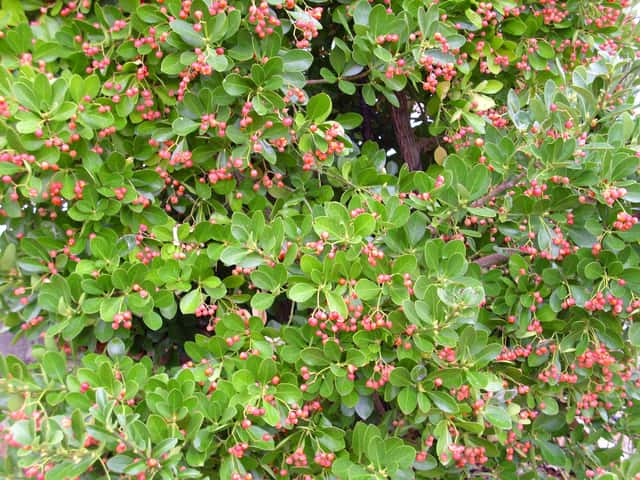
Its autumn fruits are ornamental with striking orange-red colors, but are toxic if ingested.
It is considered invasive in parts of the eastern United States due to its ability to spread into wild areas.
Tolerates urban pollution and salt spray, making it extremely popular for coastal and city landscaping.
Frequently asked questions
How often should I water Euonymus japonicus?
Is Euonymus japonicus toxic?
How do I prune Japanese Spindle Tree?
Can Euonymus japonicus be grown in containers?
What are the main pests of Japanese Spindle Tree?
Compare with similar plants
| Attribute | Difficulty | Light | Watering | Pet Safe |
|---|---|---|---|---|
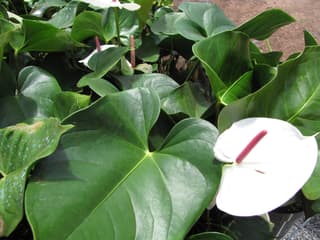
| Flamingo Flower | Medium | Partial shade | 5d | ⚠️ |
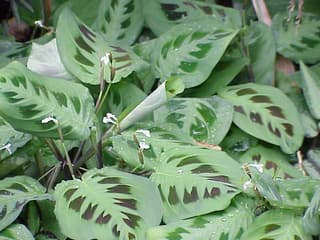
| Prayer Plant | Medium | Partial shade | 3d | ✓ |
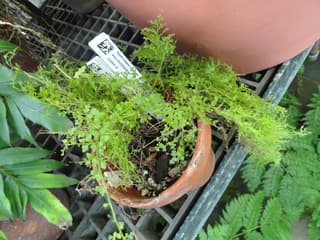
| Boston Fern | Medium | Partial shade | 3d | ✓ |
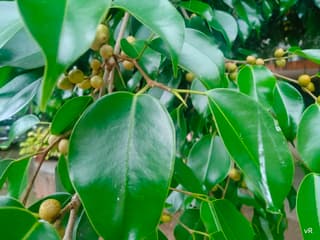
| Weeping Fig | Medium | Partial shade | 10d | ⚠️ |