Taxaceae
English Yew: Medicinal Uses & Care Tips
Taxus baccata
The yew is a robust outdoor plant, extremely resistant to cold (down to -25°C) and shade. It requires moderate watering every 14 days—it is drought-tolerant once established. It prefers well-drained soil with a pH between 5 and 8. Annual pruning maintains the desired shape. WARNING: All parts of the plant are extremely toxic to humans, cats, dogs, and horses.
Every 14 days
Partial shade
-25° - 35°C
40% - 80%
Categories
What is English Yew?
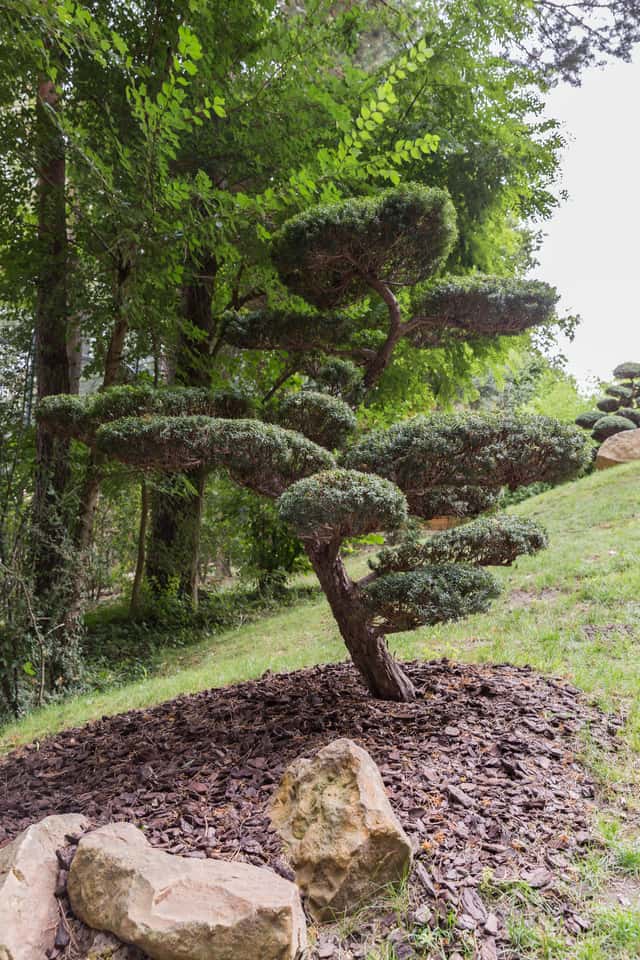
English Yew (Taxus baccata) is a medium-care plant from the Taxaceae family. Taxus baccata, known as the English yew or European yew, is a slow-growing conifer native to Europe, North Africa, and Western Asia. It is one of the longest-living trees in the world, with specimens exceeding 4,000 years. It produces dark green needle-like leaves arranged in two rows on the branche...
English Yew grows up to 15.0m, spread of 1000cm, watering every 14 days, -25°C – 35°C, 40–80% humidity. It is not suitable for indoor environments and not safe for pets.
Without precautions, ingestion can cause irritation in pets. Keep out of reach of cats and dogs.
How to Care for English Yew?
TLDR: English Yew needs Partial shade, watering every 14 days, and temperatures between -25-35°C with 40-80% humidity.
How Often Should You Water English Yew?
Water every 14 days during the growing season. The yew tolerates short periods of drought well once rooted, but does not tolerate permanently wet soil or water pooling at the roots. Significantly reduce watering in winter.
How Much Light Does English Yew Need?
The yew is extremely adaptable to light: it tolerates full shade (dense forests), partial shade, and direct sunlight. It grows well in any exposure (north, south, east, west). Avoid only locations with excessive heat combined with dry soil.
What Is the Best Soil for English Yew?
Prefers well-drained, rich soil with a pH between 5.0 and 8.0. It adapts to clay, sandy, chalky, and loamy soils, as long as there is no water stagnation. It does not tolerate compacted soil or excess moisture at the roots.
Care Schedule
Fertilize
Every 365 days
What Is English Yew and Where Does It Come From?
Taxus baccata, known as the English yew or European yew, is a slow-growing conifer native to Europe, North Africa, and Western Asia. It is one of the longest-living trees in the world, with specimens exceeding 4,000 years. It produces dark green needle-like leaves arranged in two rows on the branches and seeds surrounded by a fleshy red aril. Almost all parts of the plant—leaves, bark, and seeds—contain highly toxic taxine alkaloids, fatal to humans, cats, dogs, and horses. Only the fleshy aril is edible, though the seed inside remains lethal. The yew is extremely valuable as a hedge and topiary shrub due to its tolerance for severe pruning and ability to grow in varied light conditions.
How to Propagate English Yew?
How Big Does English Yew Grow?
TLDR: English Yew can reach up to 15.0m tall with Slow growth rate.
Max height
15.0m
Spread
10.0m
Growth rate
Slow
Foliage
Evergreen
Warning: Toxic Plant
This plant can be toxic if ingested. Keep out of reach of:
Plant Uses
Ornamental
Great for decoration
Medicinal
Medicinal properties
Medicinal Uses
- The leaves and bark contain taxol (paclitaxel), a compound with demonstrated anti-cancer activity, used in the treatment of ovarian, breast, and lung cancer. Traditional medicinal use included treating asthma, bronchitis, rheumatism, and epilepsy, but EXCLUSIVELY under strict medical supervision due to high toxicity.
Culinary Uses
- The fleshy aril (the red seed covering) is the only edible part of the plant. The seed inside is fatal if swallowed. There are no documented traditional culinary uses; consuming any other part of the plant is potentially lethal.
Is your plant showing symptoms?
Click on the symptom to discover possible causes:
What Diseases Commonly Affect English Yew?
TLDR: English Yew is susceptible to 9 known diseases. Monitor regularly for early detection.
Phytophthora Root Rot
Disease caused by fungus-like organisms (oomycetes) that live in soil and can survive for years. It affects roots, stem, and crown of plants, being especially severe in waterlogged or poorly drained soils. It is the second most common cause of root rot in trees and shrubs.
Root Rot
Root rot is a serious fungal disease that affects the root system of plants, causing them to decay and die. It is primarily caused by overwatering, poor drainage, or soil-borne fungi such as Pythium, Phytophthora, Rhizoctonia, and Fusarium. The disease thrives in waterlogged conditions where roots are deprived of oxygen, making them susceptible to fungal infection.
Scale Insects
Scale insects are small sap-sucking pests that appear as brown, shell-like bumps on plant stems and leaves. There are over 25 species, divided into armored (hard) and unarmored (soft) scales. They feed by piercing plant tissue and extracting sap, which weakens the plant and can lead to yellowing, stunted growth, and even death if left untreated. They also excrete honeydew, which attracts ants and promotes sooty mold growth.
Spider Mites
Spider mites are tiny arachnids (less than 1/20 inch long) related to spiders and ticks that feed on plant sap. They thrive in hot, dry conditions and can cause significant damage to ornamental and vegetable plants. During severe infestations, crop losses can reach 14% or higher as these pests disrupt vital plant processes including photosynthesis, carbon dioxide absorption, and transpiration.
Meaning & Symbolism
The yew symbolizes death, immortality, and rebirth in European traditions. Its frequent presence in British and European churchyards reflects its association with eternity and the passage to the afterlife. Its extraordinary longevity—some specimens are thousands of years old—makes it a symbol of resilience against time.
Compare with similar plants
| Attribute | Difficulty | Light | Watering | Pet Safe |
|---|---|---|---|---|
| Dark Fieldcap | Medium | Low light | 2d | ⚠️ |
| Azalea | Medium | Partial shade | 3d | ⚠️ |
| Muriel's Bamboo | Medium | Partial shade | 3d | ✓ |
| Bougainvillea | Medium | Direct sun | 7d | ⚠️ |




