Rosaceae
Fir-leaved Rose (Rosa abietina): Complete Care Guide
Rosa abietina
Hardy outdoor shrub thriving in full sun. Water weekly during dry spells, prune lightly after flowering, and fertilize monthly in spring and summer.
Every 7 days
Direct sun
-20° - 35°C
40% - 70%
Categories
What is Fir-leaved Rose?
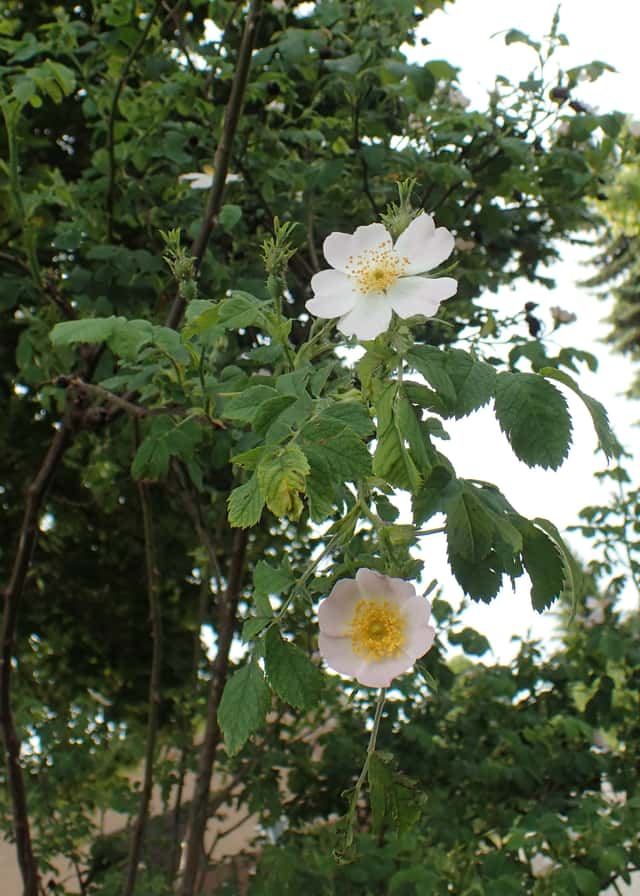
Fir-leaved Rose (Rosa abietina) is a medium-care plant from the Rosaceae family. Rosa abietina, commonly known as the Fir-leaved Rose or Pine Rose, is a deciduous shrub native to the mountainous regions of the European Alps across Switzerland, Austria, France, Italy, and Germany. It grows up to 2 meters tall, producing delicate pink flowers with a mild spicy fragrance from May t...
Fir-leaved Rose grows up to 2.0m, spread of 150cm, watering every 7 days, -20°C – 35°C, 40–70% humidity. It is not suitable for indoor environments and safe for pets.
Unlike many popular species, Fir-leaved Rose is safe to keep around pets.
How to Care for Fir-leaved Rose?
TLDR: Fir-leaved Rose needs Direct sun, watering every 7 days, and temperatures between -20-35°C with 40-70% humidity.
How Often Should You Water Fir-leaved Rose?
Water once a week during warm, dry periods. Reduce watering in autumn and winter. Avoid waterlogging — Rosa abietina is sensitive to overly wet soil.
How Much Light Does Fir-leaved Rose Need?
Requires full sun — at least 6 hours of direct sunlight daily. Best in south or southwest-facing positions. Avoid shaded locations.
What Is the Best Soil for Fir-leaved Rose?
Prefers well-draining, loamy soil with a slightly acidic to neutral pH (6.0–7.0). Enrich with organic compost. Avoid heavy clay soils that retain excess moisture.
What Pot Should You Use for Fir-leaved Rose?
Alpine gardens, naturalized borders, and hillside plantings. Can be grown in large outdoor containers.
Care Schedule
Fertilize
Every 30 days
What Is Fir-leaved Rose and Where Does It Come From?
Rosa abietina, commonly known as the Fir-leaved Rose or Pine Rose, is a deciduous shrub native to the mountainous regions of the European Alps across Switzerland, Austria, France, Italy, and Germany. It grows up to 2 meters tall, producing delicate pink flowers with a mild spicy fragrance from May to July. This wild rose is highly valued for alpine and naturalized gardens.
How to Propagate Fir-leaved Rose?
Stem Cutting
Use sterilized tools. Maintain high humidity by covering with a plastic bag in the first weeks.
- 1 Cut a semi-hardwood stem of 15-20 cm in summer
- 2 Remove lower leaves, leaving 2-3 at the top
- 3 Apply rooting hormone to the cut base
- 4 Plant in well-draining substrate and keep moist
- 5 Place in bright location without direct sun until rooted
Materials needed:
Seed Propagation
Cold stratification is essential to break seed dormancy. Be patient — germination can take months.
- 1 Collect ripe seeds in autumn
- 2 Cold stratify for 90-120 days (0-5°C) in moist substrate
- 3 Sow in spring in fertile, well-draining soil
- 4 Keep in a bright location and water regularly
- 5 Transplant seedlings when 10 cm tall
Materials needed:
How Big Does Fir-leaved Rose Grow?
TLDR: Fir-leaved Rose can reach up to 2.0m tall with Medium growth rate.
Max height
2.0m
Spread
1.5m
Growth rate
Medium
Foliage
Deciduous
Plant Uses
Ornamental
Great for decoration
Is your plant showing symptoms?
Click on the symptom to discover possible causes:
What Diseases Commonly Affect Fir-leaved Rose?
TLDR: Fir-leaved Rose is susceptible to 10 known diseases. Monitor regularly for early detection.
Black Spot
Black spot is the most serious fungal disease affecting roses, caused by the fungus Diplocarpon rosae. It is characterized by dark circular spots on leaves that progress to yellowing and premature leaf drop. The disease thrives in humid and cool conditions, especially early in the growing season.
Powdery Mildew
Powdery mildew is a common fungal disease caused by various fungi species including Erysiphe, Podosphaera, Oïdium, and Leveillula. It affects over 10,000 plant species worldwide. The disease thrives in warm, dry climates with high humidity and appears as a distinctive white powdery coating on plant surfaces.
Rust
Rust is a common fungal disease caused by fungi in the order Pucciniales that affects a wide variety of plants. The disease gets its name from the characteristic orange, yellow, or reddish-brown pustules that appear on leaves, resembling metal rust. This obligate fungal parasite requires living plants to survive and can cause significant economic losses in agricultural crops.
Gray Mold (Botrytis Blight)
Gray mold, caused by the fungus Botrytis cinerea, is one of the most common fungal diseases in plants. It affects over 200 plant species, including ornamentals, vegetables, fruits, and houseplants. The disease thrives in cool, humid conditions with poor air circulation, causing grayish spots and soft rot on infected tissues.
Meaning & Symbolism
Symbolizes wild beauty, pure love, and unspoiled European nature. In Alpine tradition, it represents resilience and natural elegance.
Fun Facts
Native to the European Alps, it grows at altitudes above 1000 meters in mountainous forests
The name abietina comes from Latin abies (fir tree), as it commonly grows alongside Alpine fir trees
Its mildly spicy-scented flowers attract native European pollinators including bees and butterflies
It is one of the rarest and least cultivated wild roses in Europe
Frequently asked questions
How often should I water the Fir-leaved Rose?
Does the Fir-leaved Rose need a lot of sun?
When does the Fir-leaved Rose bloom?
Is the Fir-leaved Rose toxic to pets?
What diseases affect the Fir-leaved Rose most?
Compare with similar plants
| Attribute | Difficulty | Light | Watering | Pet Safe |
|---|---|---|---|---|
| Dark Fieldcap | Medium | Low light | 2d | ⚠️ |
| Azalea | Medium | Partial shade | 3d | ⚠️ |
| Bougainvillea | Medium | Direct sun | 7d | ⚠️ |
| Wild Lettuce | Medium | Direct sun | 7d | ⚠️ |



