Bromeliaceae
Flaming Sword (Vriesea splendens): Complete Care Guide
Vriesea splendens
Vriesea splendens is a low-maintenance bromeliad perfect for bright indoor spaces. Keep its central rosette (tank) filled with fresh water, maintain high humidity, and provide bright indirect light. Avoid direct sun and soggy soil. It blooms once in its lifetime, but produces pups that carry on the cycle.
Every 7 days
Partial shade
15° - 27°C
60% - 80%
Categories
What is Flaming Sword?
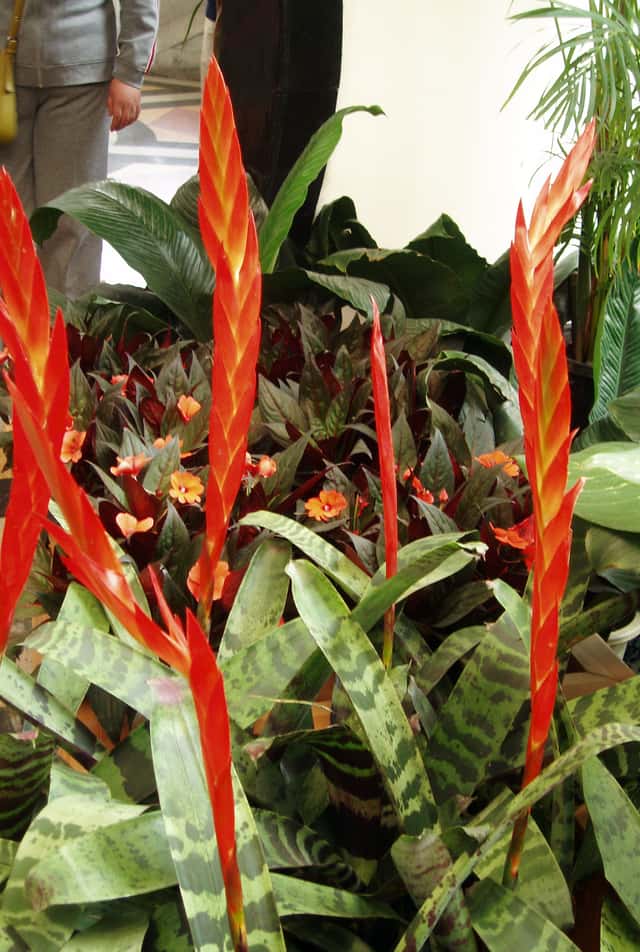
Flaming Sword (Vriesea splendens) is a medium-care plant from the Bromeliaceae family. Vriesea splendens, commonly known as the Flaming Sword, is a stunning tropical bromeliad native to Trinidad and Venezuela. It produces a dramatic, sword-like red inflorescence spike that can last for months, making it one of the most striking indoor plants available. Its dark green leaves are banded...
Flaming Sword grows up to 60cm, with spread of 40cm, watering every 7 days, 15°C – 27°C, 60–80% humidity. It is suitable for indoor environments and safe for pets.
Unlike many popular species, Flaming Sword is safe to keep around pets. Without adequate drainage, root rot can develop within 14 days.
How to Care for Flaming Sword?
TLDR: Flaming Sword needs Partial shade, watering every 7 days, and temperatures between 15-27°C with 60-80% humidity.
How Often Should You Water Flaming Sword?
Fill the central rosette (cup) with 2–3 cm of rainwater or distilled water, refreshing weekly to prevent stagnation. Keep the potting mix barely moist; water the soil only when the top is dry. Avoid tap water with high mineral content.
How Much Light Does Flaming Sword Need?
Place in bright indirect light, near an east- or north-facing window. Bright filtered light triggers blooming. Avoid direct afternoon sun, which can scorch the decorative striped foliage.
What Is the Best Soil for Flaming Sword?
Use a lightweight, well-draining bromeliad or orchid potting mix — a blend of peat moss, perlite, and coarse sand or pine bark works well. Never use heavy, water-retentive potting soil.
What Pot Should You Use for Flaming Sword?
Use a small to medium terracotta or plastic pot with drainage holes. Bromeliads have small root systems, so avoid oversizing the pot. Terracotta helps prevent overwatering by allowing soil to dry faster.
Care Schedule
Fertilize
Every 30 days
Misting
Every 7 days
Repot
Every 730 days
What Is Flaming Sword and Where Does It Come From?
Vriesea splendens, commonly known as the Flaming Sword, is a stunning tropical bromeliad native to Trinidad and Venezuela. It produces a dramatic, sword-like red inflorescence spike that can last for months, making it one of the most striking indoor plants available. Its dark green leaves are banded with horizontal purple-brown stripes, creating a beautiful architectural form even without flowers.
How to Propagate Flaming Sword?
Pup Division
The mother plant dies after flowering, but the pups will carry on. Wear gloves as the leaf edges can be sharp.
- 1 Wait until the pup (offset) is at least 1/3 the size of the mother plant
- 2 Gently separate it from the mother plant using a clean sharp knife
- 3 Allow the cut end to dry for a few hours
- 4 Plant the pup in a small pot with bromeliad potting mix
- 5 Keep humidity high and the soil barely moist until established
Materials needed:
How Big Does Flaming Sword Grow?
TLDR: Flaming Sword can reach up to 60cm tall with Slow growth rate.
Max height
60cm
Spread
40cm
Growth rate
Slow
Foliage
Evergreen
Plant Uses
Ornamental
Great for decoration
Is your plant showing symptoms?
Click on the symptom to discover possible causes:
What Diseases Commonly Affect Flaming Sword?
TLDR: Flaming Sword is susceptible to 9 known diseases. Monitor regularly for early detection.
Root Rot
Root rot is a serious fungal disease that affects the root system of plants, causing them to decay and die. It is primarily caused by overwatering, poor drainage, or soil-borne fungi such as Pythium, Phytophthora, Rhizoctonia, and Fusarium. The disease thrives in waterlogged conditions where roots are deprived of oxygen, making them susceptible to fungal infection.
Crown Rot
Crown rot is a serious fungal disease that attacks the crown (base) of the plant where the stem meets the soil. It is caused by various fungal pathogens including Phytophthora, Fusarium, and Rhizoctonia. The disease thrives in waterlogged conditions and can quickly spread to kill the entire plant if not addressed promptly.
Leaf Spot
Leaf spot is a common fungal disease caused by various pathogens including Alternaria, Ascochyta, Colletotrichum, Septoria, and Venturia. It primarily affects leaves, causing discolored spots that can lead to premature leaf drop if left untreated.
Mealybugs
Mealybugs are small, soft-bodied insects covered with a white, waxy, cottony material. They are common pests of houseplants and outdoor plants in mild climates. These sap-sucking insects feed on plant tissue, causing damage, stunted growth, and can lead to plant death if left untreated. They produce sticky honeydew which attracts sooty mold.
Meaning & Symbolism
Symbol of exotic beauty and tropical elegance; associated with warmth, vibrancy, and resilience.
Fun Facts
Despite being called 'Flaming Sword', the plant's actual flowers are small and yellow — the dramatic 'sword' is a modified bract called a spathe.
Vriesea splendens is a tank bromeliad, meaning it collects and stores water in its central leaf cup rather than relying solely on root absorption.
After a Flaming Sword blooms, the mother plant dies, but it always produces pups to continue the cycle — a built-in succession plan!
Native to the tropical forests of Trinidad and Venezuela, it grows as an epiphyte in the wild, clinging to trees rather than rooting in soil.
Frequently asked questions
How often should I water Vriesea splendens?
Why is my Vriesea not blooming?
Is the Flaming Sword toxic to pets?
What should I do after my Vriesea blooms?
Why are the leaves of my Vriesea turning brown at the tips?
Compare with similar plants
| Attribute | Difficulty | Light | Watering | Pet Safe |
|---|---|---|---|---|
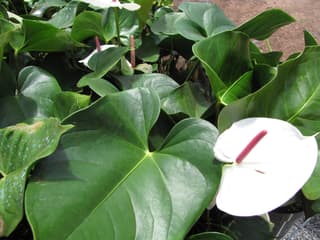
| Flamingo Flower | Medium | Partial shade | 5d | ⚠️ |
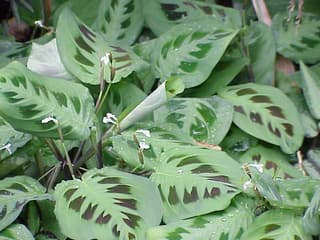
| Prayer Plant | Medium | Partial shade | 3d | ✓ |
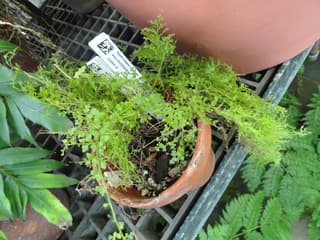
| Boston Fern | Medium | Partial shade | 3d | ✓ |
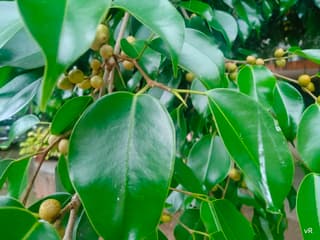
| Weeping Fig | Medium | Partial shade | 10d | ⚠️ |