Apocynaceae
Starfish Flower (Stapelia hirsuta): Complete Care Guide
Stapelia hirsuta
An easy-care succulent that thrives on neglect. Water sparingly and allow soil to dry completely between waterings. Provide bright light or some direct sun. Avoid any moisture during winter dormancy. Repot every 2 years in a well-draining cactus mix.
Every 21 days
Bright indirect
10° - 38°C
20% - 40%
Categories
What is Starfish Flower?
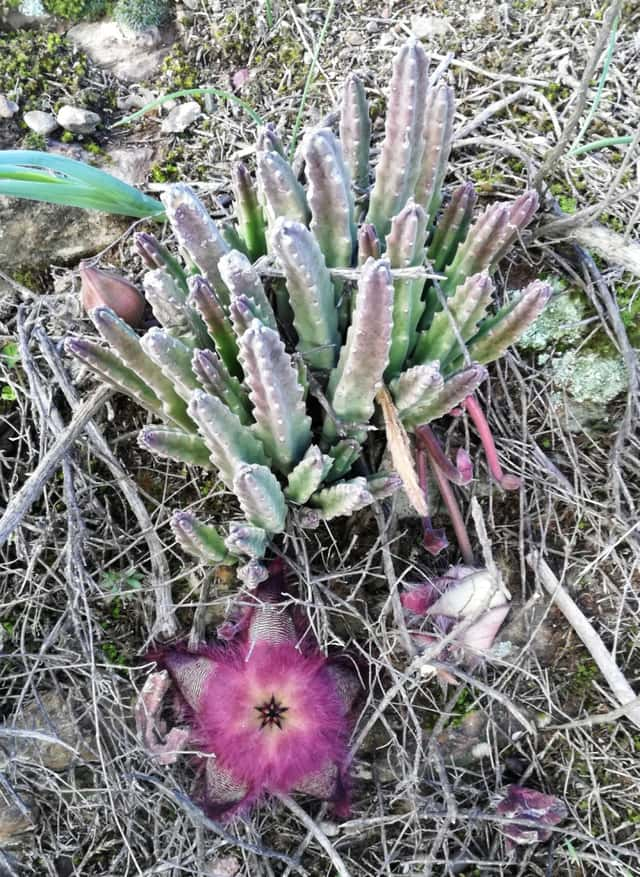
Starfish Flower (Stapelia hirsuta) is a medium-care plant from the Apocynaceae family. Stapelia hirsuta is a striking South African succulent known for its velvety, four-angled stems and extraordinary star-shaped flowers that can reach up to 15 cm across. The flowers range from dark red to purple-brown and are covered in fine hairs, producing a foul odor to attract fly pollinators — a...
Starfish Flower grows up to 20cm, with spread of 30cm, watering every 21 days, 10°C – 38°C, 20–40% humidity. It is suitable for indoor environments and safe for pets.
Unlike many popular species, Starfish Flower is safe to keep around pets. Without adequate drainage, root rot can develop within 42 days.
How to Care for Starfish Flower?
TLDR: Starfish Flower needs Bright indirect, watering every 21 days, and temperatures between 10-38°C with 20-40% humidity.
How Often Should You Water Starfish Flower?
Water every 2-3 weeks during the growing season (spring and summer), allowing the soil to dry out completely between waterings. In winter, reduce watering to once a month or stop entirely. Never let the plant sit in water.
How Much Light Does Starfish Flower Need?
Place in a location with bright light and some direct sun — ideally a south- or west-facing window. It tolerates light shade but blooms best with at least 4-6 hours of direct light per day.
What Is the Best Soil for Starfish Flower?
Use a gritty, fast-draining cactus or succulent mix. Amend with extra perlite or pumice (30-50%) to improve drainage. Clay pots are ideal as they allow the soil to dry faster and prevent root rot.
What Pot Should You Use for Starfish Flower?
Terracotta or clay pot with drainage holes. Avoid plastic pots as they retain moisture. Choose a pot only slightly larger than the root ball.
Care Schedule
Fertilize
Every 90 days
Repot
Every 730 days
What Is Starfish Flower and Where Does It Come From?
Stapelia hirsuta is a striking South African succulent known for its velvety, four-angled stems and extraordinary star-shaped flowers that can reach up to 15 cm across. The flowers range from dark red to purple-brown and are covered in fine hairs, producing a foul odor to attract fly pollinators — a fascinating evolutionary adaptation. Native to the Cape Province of South Africa, it thrives in rocky, arid conditions and makes a rewarding houseplant for succulent enthusiasts.
How to Propagate Starfish Flower?
Stem Cutting
Do not bury the cutting too deeply — lay it on the surface of the compost. Avoid overwatering during rooting.
- 1 Cut a healthy stem 5-8 cm long using clean, sharp scissors
- 2 Allow the cutting to dry and callous for 24 hours before planting
- 3 Place on top of moist gritty cactus compost without burying deep
- 4 Keep in a warm, bright spot and mist lightly until roots develop
Materials needed:
Seed Propagation
Fresh seeds germinate at nearly 100% success rate. Use seed as soon as it is harvested for best results.
- 1 Sow fresh seeds on the surface of moist sandy compost
- 2 Do not cover seeds deeply — a light dusting of sand is sufficient
- 3 Place in a warm (20-25°C), bright spot
- 4 Keep compost lightly moist until germination occurs
Materials needed:
How Big Does Starfish Flower Grow?
TLDR: Starfish Flower can reach up to 20cm tall with Slow growth rate.
Max height
20cm
Spread
30cm
Growth rate
Slow
Foliage
Evergreen
Warning: Toxic Plant
This plant can be toxic if ingested. Keep out of reach of:
Plant Uses
Ornamental
Great for decoration
Is your plant showing symptoms?
Click on the symptom to discover possible causes:
What Diseases Commonly Affect Starfish Flower?
TLDR: Starfish Flower is susceptible to 7 known diseases. Monitor regularly for early detection.
Mealybugs
Mealybugs are small, soft-bodied insects covered with a white, waxy, cottony material. They are common pests of houseplants and outdoor plants in mild climates. These sap-sucking insects feed on plant tissue, causing damage, stunted growth, and can lead to plant death if left untreated. They produce sticky honeydew which attracts sooty mold.
Root Rot
Root rot is a serious fungal disease that affects the root system of plants, causing them to decay and die. It is primarily caused by overwatering, poor drainage, or soil-borne fungi such as Pythium, Phytophthora, Rhizoctonia, and Fusarium. The disease thrives in waterlogged conditions where roots are deprived of oxygen, making them susceptible to fungal infection.
Spider Mites
Spider mites are tiny arachnids (less than 1/20 inch long) related to spiders and ticks that feed on plant sap. They thrive in hot, dry conditions and can cause significant damage to ornamental and vegetable plants. During severe infestations, crop losses can reach 14% or higher as these pests disrupt vital plant processes including photosynthesis, carbon dioxide absorption, and transpiration.
Gray Mold (Botrytis Blight)
Gray mold, caused by the fungus Botrytis cinerea, is one of the most common fungal diseases in plants. It affects over 200 plant species, including ornamentals, vegetables, fruits, and houseplants. The disease thrives in cool, humid conditions with poor air circulation, causing grayish spots and soft rot on infected tissues.
Meaning & Symbolism
A symbol of resilience and adaptation in harsh desert environments. Its remarkable fly-attracting flowers represent nature's ingenuity and the beauty found in unexpected places.
Fun Facts
Stapelia hirsuta flowers can reach up to 15 cm (6 inches) in diameter, making them among the largest in the genus.
The plant mimics the smell of rotting meat to attract blow flies and flesh flies for pollination — a process called sapromyiophily.
Native to the Cape Province of South Africa, Stapelia hirsuta has been known to science since 1737 when Linnaeus described the genus.
The stems turn reddish-purple when exposed to full sun or cold temperatures, adding extra ornamental interest.
Frequently asked questions
How often should I water Stapelia hirsuta?
Why does my Stapelia hirsuta flower smell bad?
Is Stapelia hirsuta toxic to pets?
Why is my Stapelia hirsuta rotting at the base?
How do I get my Stapelia hirsuta to bloom?
Compare with similar plants
| Attribute | Difficulty | Light | Watering | Pet Safe |
|---|---|---|---|---|
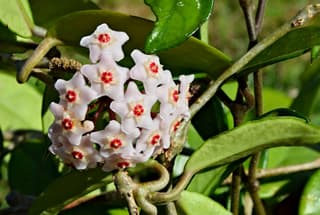
| Wax Plant | Easy | Partial shade | 10d | ✓ |
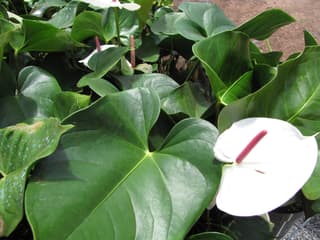
| Flamingo Flower | Medium | Partial shade | 5d | ⚠️ |
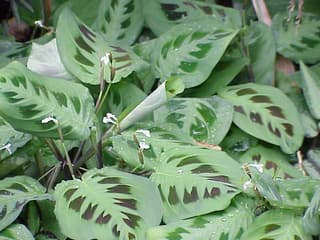
| Prayer Plant | Medium | Partial shade | 3d | ✓ |
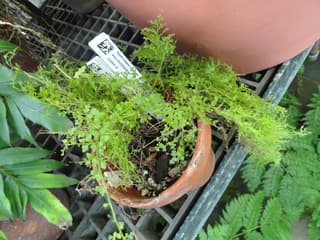
| Boston Fern | Medium | Partial shade | 3d | ✓ |