Iridaceae
Freesia (Freesia x hybrida): Complete Plant Care Guide
Freesia x hybrida
Freesia needs direct sunlight, moderate watering with well-draining soil, and cool temperatures. Plant corms in autumn for winter and early spring blooming. Avoid waterlogged soil to prevent corm rot.
Every 7 days
Direct sun
10° - 21°C
40% - 60%
Categories
What is Freesia?
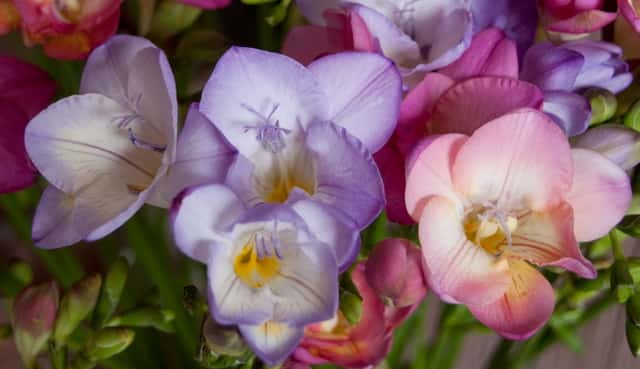
Freesia (Freesia x hybrida) is a medium-care plant from the Iridaceae family. Freesia (Freesia x hybrida) is a bulbous plant native to South Africa, celebrated worldwide for its stunning spike-shaped flowers and intensely sweet, powdery fragrance. Hybrid Freesias produce blooms in a wide range of colors — white, yellow, pink, purple, red, and orange — and are beloved in garde...
Freesia grows up to 45cm, with spread of 30cm, watering every 7 days, 10°C – 21°C, 40–60% humidity. It is suitable for indoor environments and safe for pets.
Unlike many popular species, Freesia is safe to keep around pets. Without adequate drainage, root rot can develop within 14 days.
How to Care for Freesia?
TLDR: Freesia needs Direct sun, watering every 7 days, and temperatures between 10-21°C with 40-60% humidity.
How Often Should You Water Freesia?
Water every 7 days, allowing the topsoil to dry slightly between waterings. Avoid overwatering as corms are susceptible to rot. Reduce watering significantly during summer dormancy.
How Much Light Does Freesia Need?
Freesia requires at least 6 hours of direct sunlight per day. Place near south-facing windows or in the sunniest spot in your garden. Insufficient light leads to weak stems and poor flowering.
What Is the Best Soil for Freesia?
Use a light, well-draining mix such as sandy loam or add perlite to regular potting mix. Ideal pH is 6.5 to 7.0. Avoid heavy clay soils that retain excess moisture.
What Pot Should You Use for Freesia?
Terracotta or ceramic pots with drainage holes. A 8-10 inch pot fits 5-6 corms well. Avoid overly deep pots.
Care Schedule
Fertilize
Every 30 days
What Is Freesia and Where Does It Come From?
Freesia (Freesia x hybrida) is a bulbous plant native to South Africa, celebrated worldwide for its stunning spike-shaped flowers and intensely sweet, powdery fragrance. Hybrid Freesias produce blooms in a wide range of colors — white, yellow, pink, purple, red, and orange — and are beloved in gardens, wedding arrangements, and cut flower displays.
How to Propagate Freesia?
Corm Division
Store corms in a cool, dry location during summer. Use only firm, rot-free corms for replanting.
- 1 After flowering, carefully dig up the corms
- 2 Separate the cormlets (offsets) from the parent corm
- 3 Allow to dry in a ventilated spot for 1-2 days
- 4 Replant cormlets 2 inches deep in autumn
Materials needed:
Seed Propagation
Seeds take 8-12 months to produce flowers. Corm division is faster and more reliable.
- 1 Soak seeds in warm water for 24 hours before sowing
- 2 Sow 1/8 inch deep in moist seed-starting mix
- 3 Keep in a warm location (65-68°F) until germination
- 4 Transplant seedlings when they reach 2-3 inches tall
Materials needed:
How Big Does Freesia Grow?
TLDR: Freesia can reach up to 45cm tall with Medium growth rate.
Max height
45cm
Spread
30cm
Growth rate
Medium
Foliage
Deciduous
Plant Uses
Ornamental
Great for decoration
Aromatic
Pleasant fragrance
Is your plant showing symptoms?
Click on the symptom to discover possible causes:
What Diseases Commonly Affect Freesia?
TLDR: Freesia is susceptible to 8 known diseases. Monitor regularly for early detection.
Fusarium Wilt
Fusarium wilt is a serious fungal disease caused by the soil-borne fungus Fusarium oxysporum. The fungus invades roots and blocks the water-conducting vessels (xylem) of the plant, causing progressive wilting and eventual death. Host-specific forms of the pathogen exist that attack different plant species.
Gray Mold (Botrytis Blight)
Gray mold, caused by the fungus Botrytis cinerea, is one of the most common fungal diseases in plants. It affects over 200 plant species, including ornamentals, vegetables, fruits, and houseplants. The disease thrives in cool, humid conditions with poor air circulation, causing grayish spots and soft rot on infected tissues.
Bacterial Soft Rot
Bacterial soft rot is a destructive plant disease caused primarily by bacteria from the genera Pectobacterium (formerly Erwinia) and Dickeya. These bacteria produce enzymes that break down plant cell walls, causing rapid and foul-smelling tissue decomposition. It mainly affects succulent tissues such as tubers, fruits, stems, and bulbs, being especially problematic in warm and humid conditions.
Bacterial Leaf Spot
Bacterial leaf spot is a plant disease caused by bacteria in the Xanthomonas and Pseudomonas genera that affects various ornamental and edible plants. The bacteria infect leaves through wounds or natural openings, causing characteristic lesions that can lead to premature leaf drop and plant weakening.
Meaning & Symbolism
Freesia symbolizes friendship, thoughtfulness, purity, innocence, and grace. It is the traditional 7th wedding anniversary flower, representing lasting bonds and trust.
Fun Facts
Freesia is one of the top flowers used in perfumery, prized for its sweet, powdery baby-scent fragrance.
There are over 20 species of Freesia, but most cultivated varieties are hybrids developed from South African species.
The name "Freesia" honors German physician and botanist Friedrich Heinrich Theodor Freese.
It is the traditional 7th wedding anniversary flower, symbolizing friendship and lasting trust.
Frequently asked questions
How often should I water Freesia?
Is Freesia toxic to pets?
When does Freesia bloom?
Can I grow Freesia indoors?
Why is my Freesia not flowering?
Compare with similar plants
| Attribute | Difficulty | Light | Watering | Pet Safe |
|---|---|---|---|---|
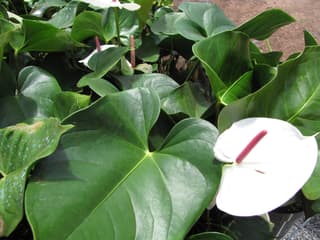
| Flamingo Flower | Medium | Partial shade | 5d | ⚠️ |
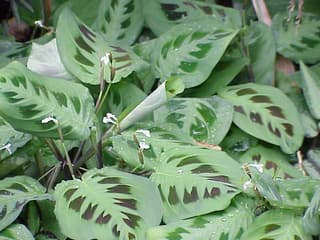
| Prayer Plant | Medium | Partial shade | 3d | ✓ |
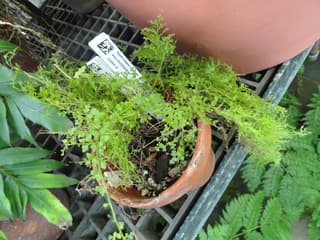
| Boston Fern | Medium | Partial shade | 3d | ✓ |
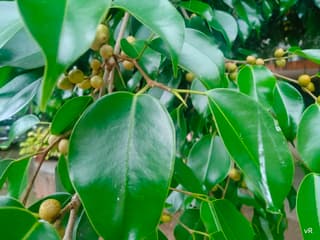
| Weeping Fig | Medium | Partial shade | 10d | ⚠️ |