Clusiaceae
Garcinia: Edible Plant
Garcinia
Requires constant warmth, high humidity, and nutrient-rich soil. Protect from cold winds and frost.
Every 7 days
Bright indirect
15° - 38°C
70% - 90%
Categories
What is Garcinia?
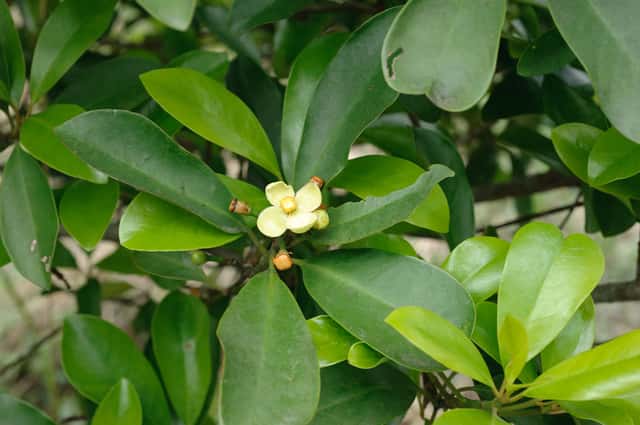
Garcinia (Garcinia) is a hard-care plant from the Clusiaceae family. The Garcinia genus comprises tropical evergreen trees and shrubs, world-renowned for the Mangosteen, considered the 'queen of fruits'. Its leaves are dark green, glossy, and leathery. They are slow-growing plants that require patience but reward with dense foliage and highly nutritious and medicinal...
Garcinia grows up to 12.0m, spread of 700cm, watering every 7 days, 15°C – 38°C, 70–90% humidity. It is not suitable for indoor environments and safe for pets.
Unlike easy-care plants, Garcinia demands constant attention to humidity and light. Not recommended for beginners. Unlike many popular species, Garcinia is safe to keep around pets.
How to Care for Garcinia?
TLDR: Garcinia needs Bright indirect, watering every 7 days, and temperatures between 15-38°C with 70-90% humidity.
How Often Should You Water Garcinia?
Water regularly to keep the soil evenly moist. Do not allow the soil to dry out completely between waterings.
How Much Light Does Garcinia Need?
Young plants prefer filtered light or partial shade to prevent leaf burn; established trees tolerate full sun.
What Is the Best Soil for Garcinia?
Prefers deep, well-drained soils with high organic matter content (compost or humus).
What Pot Should You Use for Garcinia?
Large, deep pots with drainage holes, preferably made of moisture-retaining material such as glazed ceramic.
Care Schedule
Fertilize
Every 90 days
What Is Garcinia and Where Does It Come From?
The Garcinia genus comprises tropical evergreen trees and shrubs, world-renowned for the Mangosteen, considered the 'queen of fruits'. Its leaves are dark green, glossy, and leathery. They are slow-growing plants that require patience but reward with dense foliage and highly nutritious and medicinal fruits.
How to Propagate Garcinia?
Seed Propagation
- The seeds are recalcitrant and lose viability quickly if they dry out.
- 1 Extraction
Remove the seed from the ripe fruit and clean off all adhering pulp immediately.
- 2 Planting
Plant in rich, moist substrate about 2cm deep.
- 3 Germination
Keep in a warm location (25-30°C) with constant high humidity.
Materials needed:
Air Layering
- Keep the moss always moist by injecting water with a syringe if necessary.
- 1 Girdling
Remove a ring of bark from a healthy, woody branch.
- 2 Hormone Application
Apply rooting powder to the debarked area.
- 3 Wrapping
Cover with moist sphagnum moss and wrap tightly with black plastic.
Materials needed:
How Big Does Garcinia Grow?
TLDR: Garcinia can reach up to 12.0m tall with Slow growth rate.
Max height
12.0m
Spread
7.0m
Growth rate
Slow
Foliage
Evergreen
Plant Uses
Ornamental
Great for decoration
Edible
Can be consumed
Medicinal
Medicinal properties
Medicinal Uses
- Antioxidant properties
- Weight loss aid
- Anti-inflammatory action
- Treatment of digestive issues
Culinary Uses
- Fresh fruit consumption
- Jams and preserves
- Juices and syrups
- Dietary supplements
Is your plant showing symptoms?
Click on the symptom to discover possible causes:
What Diseases Commonly Affect Garcinia?
TLDR: Garcinia is susceptible to 9 known diseases. Monitor regularly for early detection.
Root Rot
Root rot is a serious fungal disease that affects the root system of plants, causing them to decay and die. It is primarily caused by overwatering, poor drainage, or soil-borne fungi such as Pythium, Phytophthora, Rhizoctonia, and Fusarium. The disease thrives in waterlogged conditions where roots are deprived of oxygen, making them susceptible to fungal infection.
Anthracnose
Anthracnose is a fungal disease caused by fungi in the genus Colletotrichum that affects many plants, including vegetables, fruits, and trees. The disease thrives in cool, wet conditions, causing dark, sunken lesions on leaves, stems, flowers, and fruits.
Leaf Spot
Leaf spot is a common fungal disease caused by various pathogens including Alternaria, Ascochyta, Colletotrichum, Septoria, and Venturia. It primarily affects leaves, causing discolored spots that can lead to premature leaf drop if left untreated.
Powdery Mildew
Powdery mildew is a common fungal disease caused by various fungi species including Erysiphe, Podosphaera, Oïdium, and Leveillula. It affects over 10,000 plant species worldwide. The disease thrives in warm, dry climates with high humidity and appears as a distinctive white powdery coating on plant surfaces.
Meaning & Symbolism
Represents fertility, healing, and is often associated with royalty due to its sophisticated flavor.
Compare with similar plants
| Attribute | Difficulty | Light | Watering | Pet Safe |
|---|---|---|---|---|
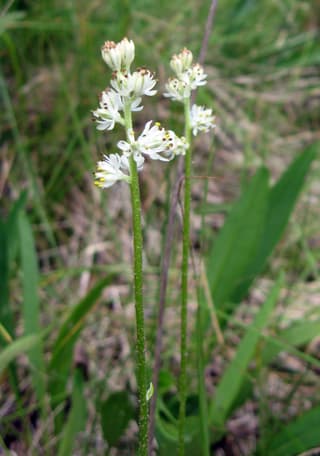
| Sticky false asphodel | Hard | Bright indirect | 1d | ✓ |
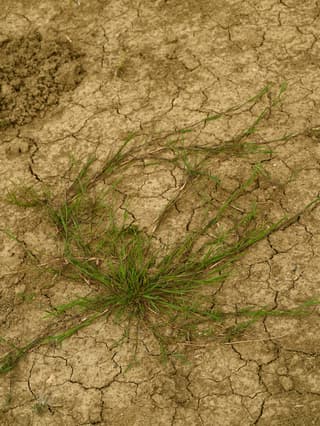
| Creeping bentgrass | Hard | Direct sun | 3d | ✓ |
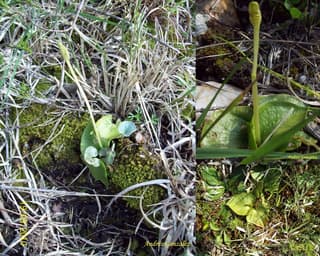
| Bulbous Adder's-tongue | Hard | Partial shade | 4d | ✓ |
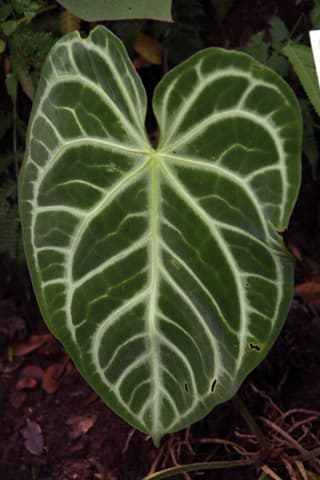
| Crystal Anthurium | Hard | Partial shade | 7d | ⚠️ |