Asteraceae
How to Care for the Blushing Barberton Daisy (Gerbera viridifolia)
Gerbera viridifolia
Provide bright direct light for at least 6 hours daily. Water every 7 days when the top inch of soil is dry. Use well-draining soil with a pH of 6.0–6.5. Fertilize monthly during the growing season. Divide clumps every 1–2 years to maintain vigor.
Every 7 days
Bright indirect
10° - 30°C
50% - 70%
Categories
What is Blushing Barberton Daisy?
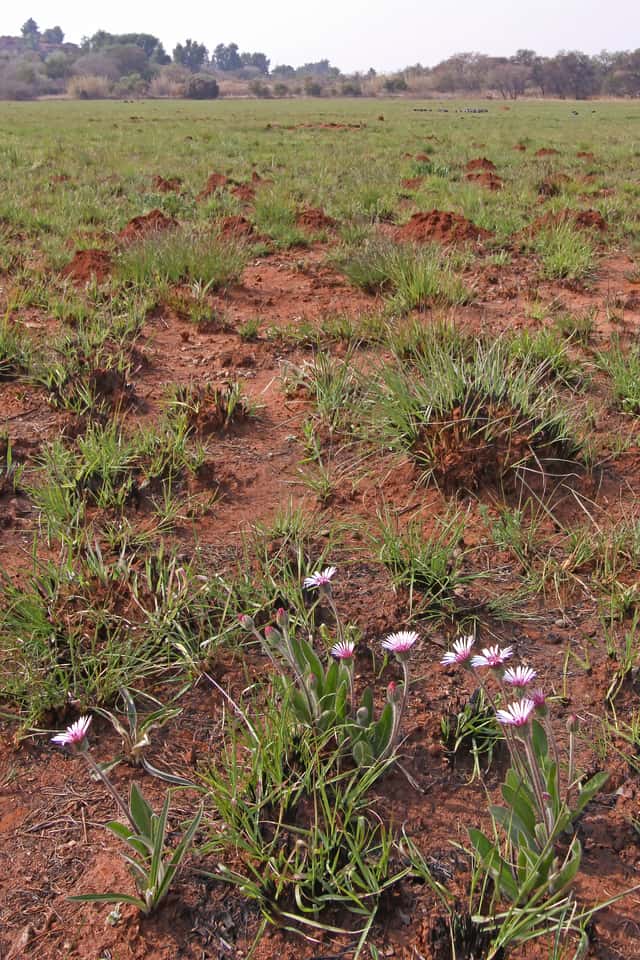
Blushing Barberton Daisy (Gerbera viridifolia) is a medium-care plant from the Asteraceae family. Gerbera viridifolia, commonly known as the Blushing Barberton Daisy, is a wild perennial daisy native to the grasslands and mountain slopes of Southern Africa. It produces delicate white to lilac daisy-like flowers on upright stems rising from a rosette of dark green, deeply veined leaves. Unlike it...
Blushing Barberton Daisy grows up to 45cm, spread of 40cm, watering every 7 days, 10°C – 30°C, 50–70% humidity. It is suitable for indoor environments and safe for pets.
Unlike many popular species, Blushing Barberton Daisy is safe to keep around pets. Without adequate drainage, root rot can develop within 14 days.
How to Care for Blushing Barberton Daisy?
TLDR: Blushing Barberton Daisy needs Bright indirect, watering every 7 days, and temperatures between 10-30°C with 50-70% humidity.
How Often Should You Water Blushing Barberton Daisy?
Water thoroughly every 7 days, allowing the soil to dry slightly between waterings. Avoid wetting the crown and leaves to prevent fungal rot. Reduce watering in winter.
How Much Light Does Blushing Barberton Daisy Need?
Blushing Barberton Daisy thrives in bright, direct sunlight. Place in the sunniest spot available — at least 6 hours of direct sun daily. It tolerates partial shade but flowers best in full sun.
What Is the Best Soil for Blushing Barberton Daisy?
Use a well-draining loamy mix (garden soil, peat, and perlite in equal parts). Ensure the pot or garden bed has excellent drainage to prevent crown rot. A slightly acidic pH of 6.0–6.5 is ideal.
What Pot Should You Use for Blushing Barberton Daisy?
Terracotta pot or raised garden bed with excellent drainage. Avoid plastic pots that retain moisture. Ensure the container is at least 25 cm wide to accommodate the crown.
Care Schedule
Fertilize
Every 30 days
Repot
Every 365 days
What Is Blushing Barberton Daisy and Where Does It Come From?
Gerbera viridifolia, commonly known as the Blushing Barberton Daisy, is a wild perennial daisy native to the grasslands and mountain slopes of Southern Africa. It produces delicate white to lilac daisy-like flowers on upright stems rising from a rosette of dark green, deeply veined leaves. Unlike its commercially bred cousins, this species thrives in natural rocky and grassy habitats, making it a charming choice for naturalistic and wildlife gardens.
How to Propagate Blushing Barberton Daisy?
Crown Division
Divide every 2-3 years to prevent overcrowding and maintain strong flowering. Discard old woody central portions and keep the vigorous outer sections.
- 1 Carefully dig up the mature clump in early spring when new growth begins
- 2 Divide the crown into sections, each with roots and at least 2-3 leaves
- 3 Replant each division at the same depth in fresh well-draining soil
- 4 Water gently and keep in bright indirect light until established
Materials needed:
Seed Propagation
Use fresh seeds for best germination rates. Gerbera seeds lose viability quickly. Germination takes 2-3 weeks at 20-24°C.
- 1 Sow fresh seeds on the surface of moist seed-raising mix in spring
- 2 Press seeds lightly into the soil — do not cover as they need light to germinate
- 3 Keep moist and warm (20-24°C) in bright indirect light
- 4 Transplant seedlings when they have 3-4 true leaves
Materials needed:
How Big Does Blushing Barberton Daisy Grow?
TLDR: Blushing Barberton Daisy can reach up to 45cm tall with Medium growth rate.
Max height
45cm
Spread
40cm
Growth rate
Medium
Foliage
Semi-evergreen
Plant Uses
Ornamental
Great for decoration
Is your plant showing symptoms?
Click on the symptom to discover possible causes:
What Diseases Commonly Affect Blushing Barberton Daisy?
TLDR: Blushing Barberton Daisy is susceptible to 16 known diseases. Monitor regularly for early detection.
Alternaria Leaf Spot
Alternaria leaf spot is a common fungal disease caused by Alternaria solani and Alternaria alternata that affects a wide range of plants including tomatoes, potatoes, brassicas, and ornamentals. The disease thrives in warm, humid conditions and can cause significant crop damage if left untreated. Spores overwinter on plant debris and can attach to seeds, making complete elimination difficult.
Gray Mold (Botrytis Blight)
Gray mold, caused by the fungus Botrytis cinerea, is one of the most common fungal diseases in plants. It affects over 200 plant species, including ornamentals, vegetables, fruits, and houseplants. The disease thrives in cool, humid conditions with poor air circulation, causing grayish spots and soft rot on infected tissues.
Powdery Mildew
Powdery mildew is a common fungal disease caused by various fungi species including Erysiphe, Podosphaera, Oïdium, and Leveillula. It affects over 10,000 plant species worldwide. The disease thrives in warm, dry climates with high humidity and appears as a distinctive white powdery coating on plant surfaces.
Pythium Root Rot
Pythium root rot is a serious fungal disease caused by various Pythium species including P. aphanidermatum, P. ultimum, and P. irregulare. These water molds are present in practically all cultivated soils and attack plant roots under wet conditions, causing rapid wet rot that can extend into the stem. The disease is favored by poor drainage, overwatering, and specific temperatures depending on the species.
Meaning & Symbolism
Symbolizes cheerfulness, innocence, and admiration. In African culture, wild daisies are associated with the beauty of open grasslands and new beginnings.
Fun Facts
Gerbera viridifolia is one of the wild ancestors of modern hybrid gerbera daisies sold in florist shops worldwide.
The species name viridifolia means "green-leaved" in Latin, referring to its distinctively deep green, hairy foliage.
Native to rocky grasslands and mountain slopes of Southern Africa, this daisy can survive long dry seasons.
Its flowers are attractive to a wide range of pollinators including bees, butterflies, and long-tongued flies.
Frequently asked questions
How often should I water Gerbera viridifolia?
Is Gerbera viridifolia toxic to pets?
How much light does the Blushing Barberton Daisy need?
When does Gerbera viridifolia bloom?
How do I propagate Gerbera viridifolia?
Compare with similar plants
| Attribute | Difficulty | Light | Watering | Pet Safe |
|---|---|---|---|---|
| Dark Fieldcap | Medium | Low light | 2d | ⚠️ |
| Azalea | Medium | Partial shade | 3d | ⚠️ |
| Bougainvillea | Medium | Direct sun | 7d | ⚠️ |
| Cushion Bush | Easy | Direct sun | 14d | ✓ |




