Gesneriaceae
Bolivian Sunset Gloxinia (Gloxinia sylvatica): Full Care Guide
Gloxinia sylvatica
Keep soil consistently moist but well-drained, provide bright indirect light, maintain humidity above 60%, and keep temperatures between 16°C and 24°C (61–75°F). Allow a summer dormancy period with reduced watering. Fertilize every 14 days during active growth.
Every 7 days
Partial shade
16° - 24°C
60% - 80%
Categories
What is Bolivian Sunset Gloxinia?
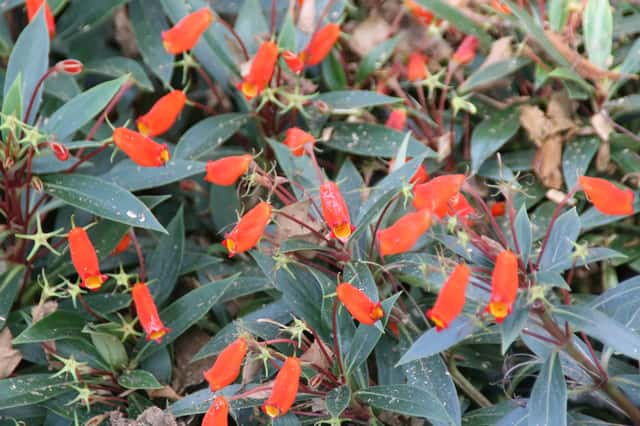
Bolivian Sunset Gloxinia (Gloxinia sylvatica) is a medium-care plant from the Gesneriaceae family. Gloxinia sylvatica, commonly known as Bolivian Sunset Gloxinia or Hardy Gloxinia, is a rhizomatous perennial native to the Andean forests of Bolivia and Peru. A member of the Gesneriaceae family, it produces striking tubular flowers in vivid orange-red hues with yellow throats, blooming primarily in...
Bolivian Sunset Gloxinia grows up to 60cm, with spread of 45cm, watering every 7 days, 16°C – 24°C, 60–80% humidity. It is suitable for indoor environments and safe for pets.
Unlike many popular species, Bolivian Sunset Gloxinia is safe to keep around pets. Without adequate drainage, root rot can develop within 14 days.
How to Care for Bolivian Sunset Gloxinia?
TLDR: Bolivian Sunset Gloxinia needs Partial shade, watering every 7 days, and temperatures between 16-24°C with 60-80% humidity.
How Often Should You Water Bolivian Sunset Gloxinia?
Water approximately every 7 days when the top third of the soil feels dry. Always water at soil level to avoid wetting the velvety leaves, which causes brown spots. Bottom-watering in a tray is ideal.
How Much Light Does Bolivian Sunset Gloxinia Need?
Thrives in bright indirect light (5,000–20,000 lux). Avoid direct sun which scorches the delicate foliage. East- or north-facing windows are ideal indoors.
What Is the Best Soil for Bolivian Sunset Gloxinia?
Use an acidic, humus-rich, well-draining mix with pH 5.5–6.5. African Violet potting mix blended with perlite works excellently. Avoid heavy soils that retain excess moisture.
What Pot Should You Use for Bolivian Sunset Gloxinia?
Terracotta or ceramic pot with drainage holes, medium-sized. The porous material helps prevent waterlogging.
Care Schedule
Fertilize
Every 14 days
Repot
Every 365 days
What Is Bolivian Sunset Gloxinia and Where Does It Come From?
Gloxinia sylvatica, commonly known as Bolivian Sunset Gloxinia or Hardy Gloxinia, is a rhizomatous perennial native to the Andean forests of Bolivia and Peru. A member of the Gesneriaceae family, it produces striking tubular flowers in vivid orange-red hues with yellow throats, blooming primarily in fall and winter. Compact and versatile, it thrives both indoors and in subtropical outdoor gardens.
How to Propagate Bolivian Sunset Gloxinia?
Rhizome division
Divide when the plant has already broken dormancy and new shoots are visible. Always use sterilized tools to prevent disease.
- 1 Carefully remove the plant from its pot in spring when new growth begins
- 2 Divide rhizomes with a clean, sharp knife ensuring each section has at least one bud
- 3 Allow cut surfaces to dry for a few hours to callous
- 4 Plant each division in fresh, moist potting mix
- 5 Keep in a warm spot with indirect light until new shoots emerge
Materials needed:
Stem cutting
Replace potting mix if signs of rot appear. Ideal rooting temperature is 20–24°C (68–75°F).
- 1 Cut a healthy stem 8-10 cm long, just below a node
- 2 Remove lower leaves, keeping 2-3 at the top
- 3 Dip the base in rooting hormone powder
- 4 Insert into moist, well-draining potting mix
- 5 Cover with a clear plastic bag to retain humidity and place in bright indirect light
Materials needed:
How Big Does Bolivian Sunset Gloxinia Grow?
TLDR: Bolivian Sunset Gloxinia can reach up to 60cm tall with Medium growth rate.
Max height
60cm
Spread
45cm
Growth rate
Medium
Foliage
Deciduous
Plant Uses
Ornamental
Great for decoration
Is your plant showing symptoms?
Click on the symptom to discover possible causes:
What Diseases Commonly Affect Bolivian Sunset Gloxinia?
TLDR: Bolivian Sunset Gloxinia is susceptible to 9 known diseases. Monitor regularly for early detection.
Root Rot
Root rot is a serious fungal disease that affects the root system of plants, causing them to decay and die. It is primarily caused by overwatering, poor drainage, or soil-borne fungi such as Pythium, Phytophthora, Rhizoctonia, and Fusarium. The disease thrives in waterlogged conditions where roots are deprived of oxygen, making them susceptible to fungal infection.
Gray Mold (Botrytis Blight)
Gray mold, caused by the fungus Botrytis cinerea, is one of the most common fungal diseases in plants. It affects over 200 plant species, including ornamentals, vegetables, fruits, and houseplants. The disease thrives in cool, humid conditions with poor air circulation, causing grayish spots and soft rot on infected tissues.
Pythium Root Rot
Pythium root rot is a serious fungal disease caused by various Pythium species including P. aphanidermatum, P. ultimum, and P. irregulare. These water molds are present in practically all cultivated soils and attack plant roots under wet conditions, causing rapid wet rot that can extend into the stem. The disease is favored by poor drainage, overwatering, and specific temperatures depending on the species.
Phytophthora Root Rot
Disease caused by fungus-like organisms (oomycetes) that live in soil and can survive for years. It affects roots, stem, and crown of plants, being especially severe in waterlogged or poorly drained soils. It is the second most common cause of root rot in trees and shrubs.
Meaning & Symbolism
Symbol of tropical Andean beauty and seasonal resilience, associated with renewal and flowering even in cooler seasons.
Fun Facts
Native to Andean forests of Bolivia and Peru, growing at altitudes up to 2,500 metres
Its tubular orange-red flowers are adapted for pollination by hummingbirds
The plant goes dormant in summer, dying back completely, then resprouting vigorously in autumn
The genus Seemannia is named after German botanist Berthold Carl Seemann (1825–1871)
Frequently asked questions
How often should I water Bolivian Sunset Gloxinia?
What light does Gloxinia sylvatica need?
Is Bolivian Sunset Gloxinia toxic to pets?
Why is my Gloxinia not flowering?
How do I propagate Gloxinia sylvatica?
Compare with similar plants
| Attribute | Difficulty | Light | Watering | Pet Safe |
|---|---|---|---|---|
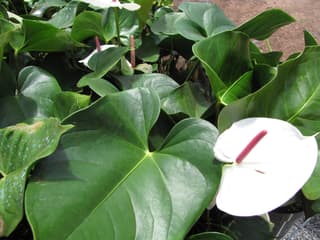
| Flamingo Flower | Medium | Partial shade | 5d | ⚠️ |
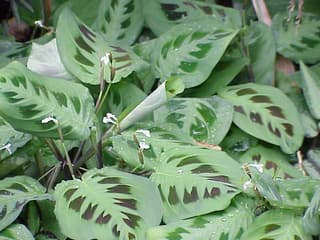
| Prayer Plant | Medium | Partial shade | 3d | ✓ |
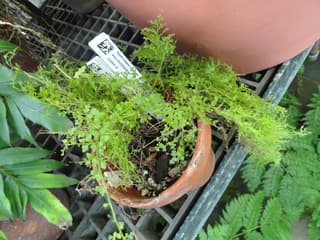
| Boston Fern | Medium | Partial shade | 3d | ✓ |
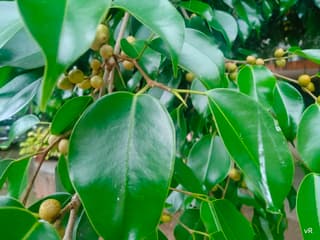
| Weeping Fig | Medium | Partial shade | 10d | ⚠️ |