Proteaceae
Golden Conebush: Full Sun Plant
Leucadendron laureolum
Give this fynbos native full sun, sharp drainage, and minimal fuss. It thrives on neglect once established, resents wet feet and rich fertilizer, and rewards a well-drained sandy bed with a spectacular winter display.
Every 9 days
Direct sun
0° - 35°C
30% - 60%
Categories
What is Golden Conebush?
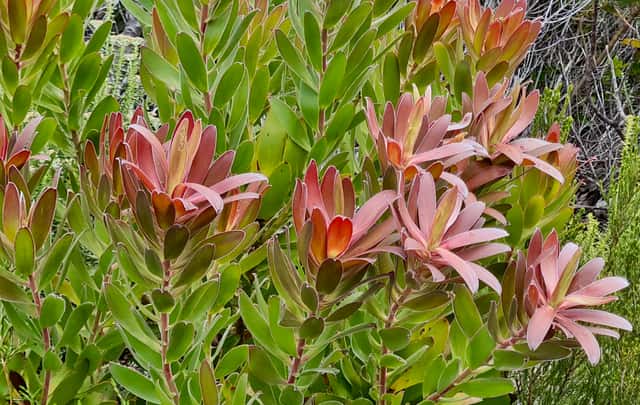
Golden Conebush (Leucadendron laureolum) is a hard-care plant from the Proteaceae family. Leucadendron laureolum, the golden conebush, is a hardy evergreen shrub native to the fynbos of South Africa's southwestern Cape. Reaching 1-2 m tall on a single woody stem, it produces vivid yellow-green flowerheads formed by leafy bracts that blaze through the winter months. Male and female plants...
Golden Conebush grows up to 2.0m, spread of 150cm, watering every 9 days, 0°C – 35°C, 30–60% humidity. It is not suitable for indoor environments and safe for pets.
Unlike easy-care plants, Golden Conebush demands constant attention to humidity and light. Not recommended for beginners. Unlike many popular species, Golden Conebush is safe to keep around pets.
How to Care for Golden Conebush?
TLDR: Golden Conebush needs Direct sun, watering every 9 days, and temperatures between 0-35°C with 30-60% humidity.
How Often Should You Water Golden Conebush?
Water deeply but infrequently, letting the soil dry out between waterings, and always water at the base rather than over the foliage to reduce fungal risk.
How Much Light Does Golden Conebush Need?
Position in full, unobstructed sun; at least six hours of direct light daily is needed for the leaves to color up and for reliable winter flowering.
What Is the Best Soil for Golden Conebush?
Plant in light, sandy or gravelly soil with excellent drainage and a slightly acidic pH; avoid heavy clay and phosphorus-rich fertilizers, which proteas cannot tolerate.
What Pot Should You Use for Golden Conebush?
Use an unglazed terracotta pot with generous drainage holes and a fast-draining, low-phosphorus potting mix; terracotta helps wick away excess moisture and mimics the plant's naturally dry, well-aerated native soil.
Care Schedule
Fertilize
Every 365 days
Repot
Every 730 days
What Is Golden Conebush and Where Does It Come From?
Leucadendron laureolum, the golden conebush, is a hardy evergreen shrub native to the fynbos of South Africa's southwestern Cape. Reaching 1-2 m tall on a single woody stem, it produces vivid yellow-green flowerheads formed by leafy bracts that blaze through the winter months. Male and female plants look distinct: compact, golden-hued males and looser, greener females that mature into woody, fire-resistant seed cones. This adaptation lets the plant survive wildfires common to its habitat, releasing its stored seed to regenerate the landscape afterward.
How to Propagate Golden Conebush?
How Big Does Golden Conebush Grow?
TLDR: Golden Conebush can reach up to 2.0m tall with Medium growth rate.
Max height
2.0m
Spread
1.5m
Growth rate
Medium
Foliage
Evergreen
Plant Uses
Ornamental
Great for decoration
Is your plant showing symptoms?
Click on the symptom to discover possible causes:
What Diseases Commonly Affect Golden Conebush?
TLDR: Golden Conebush is susceptible to 7 known diseases. Monitor regularly for early detection.
Phytophthora Root Rot
Disease caused by fungus-like organisms (oomycetes) that live in soil and can survive for years. It affects roots, stem, and crown of plants, being especially severe in waterlogged or poorly drained soils. It is the second most common cause of root rot in trees and shrubs.
Grey Mould
Alternaria Leaf Spot
Alternaria leaf spot is a common fungal disease caused by Alternaria solani and Alternaria alternata that affects a wide range of plants including tomatoes, potatoes, brassicas, and ornamentals. The disease thrives in warm, humid conditions and can cause significant crop damage if left untreated. Spores overwinter on plant debris and can attach to seeds, making complete elimination difficult.
Scale Insects
Scale insects are small sap-sucking pests that appear as brown, shell-like bumps on plant stems and leaves. There are over 25 species, divided into armored (hard) and unarmored (soft) scales. They feed by piercing plant tissue and extracting sap, which weakens the plant and can lead to yellowing, stunted growth, and even death if left untreated. They also excrete honeydew, which attracts ants and promotes sooty mold growth.
Meaning & Symbolism
Because it survives and regenerates after wildfire, the golden conebush has come to symbolize resilience, renewal, and rebirth.
Compare with similar plants
| Attribute | Difficulty | Light | Watering | Pet Safe |
|---|---|---|---|---|
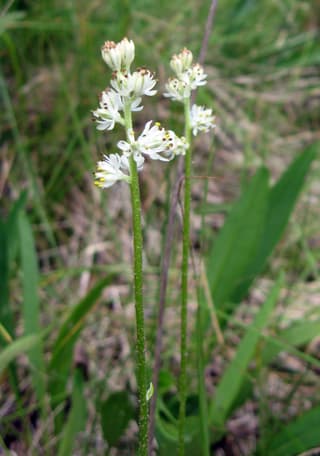
| Sticky false asphodel | Hard | Bright indirect | 1d | ✓ |
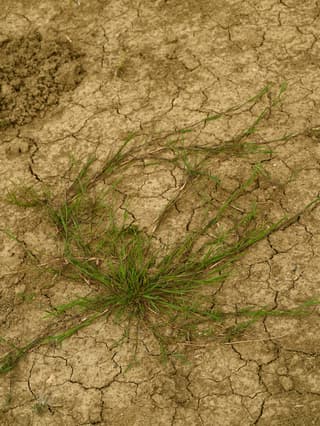
| Creeping bentgrass | Hard | Direct sun | 3d | ✓ |
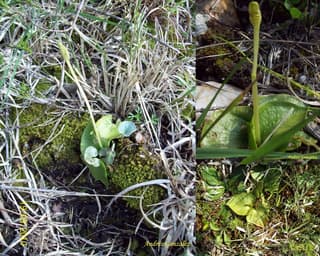
| Bulbous Adder's-tongue | Hard | Partial shade | 4d | ✓ |
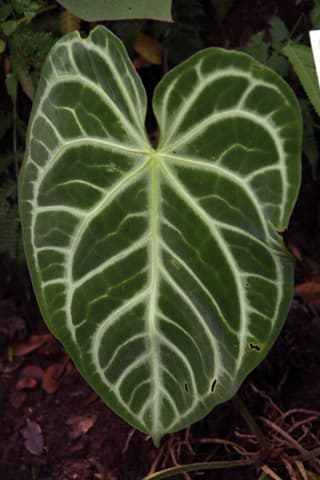
| Crystal Anthurium | Hard | Partial shade | 7d | ⚠️ |