Malvaceae
Gossypium — The Cotton Genus
Gossypium
Cotton thrives in full sun and warm climates with well-draining soil. Water regularly but allow slight drying between sessions. Needs a long frost-free growing season to produce bolls.
Every 7 days
Direct sun
15° - 38°C
60% - 80%
Categories
What is Cotton?
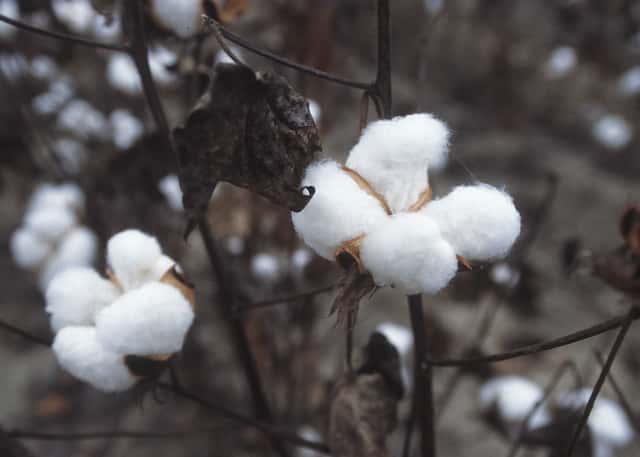
Cotton (Gossypium) is a medium-care plant from the Malvaceae family. Gossypium is the botanical genus encompassing all cultivated cotton species, belonging to the Malvaceae family. Economically one of the most important fiber crops in the world, cotton plants produce ornamental flowers and iconic fluffy white bolls used in textiles, oil, and more.
Cotton grows up to 2.0m, spread of 120cm, watering every 7 days, 15°C – 38°C, 60–80% humidity. It is not suitable for indoor environments and not safe for pets.
Without precautions, ingestion can cause irritation in pets. Keep out of reach of cats and dogs.
How to Care for Cotton?
TLDR: Cotton needs Direct sun, watering every 7 days, and temperatures between 15-38°C with 60-80% humidity.
How Often Should You Water Cotton?
Water every 7 days, ensuring consistent moisture during boll development. Avoid waterlogged soil to prevent root rot and fungal diseases.
How Much Light Does Cotton Need?
Requires full sun — at least 6–8 hours of direct sunlight daily. Insufficient light limits flowering and boll production.
What Is the Best Soil for Cotton?
Prefers deep, well-draining loamy soil rich in organic matter. Optimal pH 5.5–8.0. Tolerates clay if drainage is adequate.
What Pot Should You Use for Cotton?
Large outdoor bed or terracotta pot in a sunny location
Care Schedule
Fertilize
Every 30 days
What Is Cotton and Where Does It Come From?
Gossypium is the botanical genus encompassing all cultivated cotton species, belonging to the Malvaceae family. Economically one of the most important fiber crops in the world, cotton plants produce ornamental flowers and iconic fluffy white bolls used in textiles, oil, and more.
How Big Does Cotton Grow?
TLDR: Cotton can reach up to 2.0m tall with Medium growth rate.
Max height
2.0m
Spread
1.2m
Growth rate
Medium
Foliage
Deciduous
Warning: Toxic Plant
This plant can be toxic if ingested. Keep out of reach of:
Plant Uses
Ornamental
Great for decoration
Edible
Can be consumed
Medicinal Uses
- Cottonseed extract used in folk medicine
Culinary Uses
- Edible cottonseed oil
- Roasted cottonseed
Is your plant showing symptoms?
Click on the symptom to discover possible causes:
What Diseases Commonly Affect Cotton?
TLDR: Cotton is susceptible to 15 known diseases. Monitor regularly for early detection.
Root Rot
Root rot is a serious fungal disease that affects the root system of plants, causing them to decay and die. It is primarily caused by overwatering, poor drainage, or soil-borne fungi such as Pythium, Phytophthora, Rhizoctonia, and Fusarium. The disease thrives in waterlogged conditions where roots are deprived of oxygen, making them susceptible to fungal infection.
Fusarium Wilt
Fusarium wilt is a serious fungal disease caused by the soil-borne fungus Fusarium oxysporum. The fungus invades roots and blocks the water-conducting vessels (xylem) of the plant, causing progressive wilting and eventual death. Host-specific forms of the pathogen exist that attack different plant species.
Verticillium Wilt
Verticillium wilt is a soil-borne fungal disease caused primarily by the fungi Verticillium dahliae and V. albo-atrum. These pathogens infect plant roots and grow within the vascular tissues, blocking water and nutrient transport, resulting in wilting and eventual plant death. The disease affects over 350 plant species including vegetables, fruits, ornamental flowers, and trees. The fungi can survive in soil for more than 10 years as resistant structures called microsclerotia.
Aphids
Aphids are small, soft-bodied, pear-shaped insects (1/16 to 1/8 inch long) that feed by sucking nutrient-rich sap from plants. They reproduce rapidly and can quickly weaken plants, causing distorted growth and transmitting plant viruses. Aphids come in various colors including green, black, red, yellow, brown, and gray. They secrete honeydew, a sticky substance that attracts ants and encourages sooty mold growth.
Meaning & Symbolism
Cotton symbolizes purity, comfort, and humanity's ancient bond with natural fibers.
Fun Facts
Cotton is one of the oldest cultivated plants, with evidence of use dating back over 7,000 years in the Indus Valley.
Cotton flowers change color as they age: they open white or yellow and turn pink or red before falling off.
A single cotton boll can contain up to 500,000 individual fibers.
Frequently asked questions
Can cotton be grown in containers?
Is cotton toxic to pets?
Compare with similar plants
| Attribute | Difficulty | Light | Watering | Pet Safe |
|---|---|---|---|---|
| Dark Fieldcap | Medium | Low light | 2d | ⚠️ |
| Azalea | Medium | Partial shade | 3d | ⚠️ |
| Bougainvillea | Medium | Direct sun | 7d | ⚠️ |
| Wild Lettuce | Medium | Direct sun | 7d | ⚠️ |



