Rosaceae
How to Grow and Care for Grandiflora Roses
Rosa x grandiflora
Grandiflora roses thrive in full sun with at least 6–8 hours of direct sunlight daily. They require deep, infrequent watering every 4–7 days, well-draining loamy soil with a slightly acidic pH of 6.5–7.0, and regular fertilization during the growing season. Prune annually in early spring and deadhead spent blooms to encourage continuous flowering. Hardy in zones 4–10 with proper winter protection in colder climates.
Every 5 days
Direct sun
-12° - 35°C
50% - 70%
Categories
What is Grandiflora Rose?
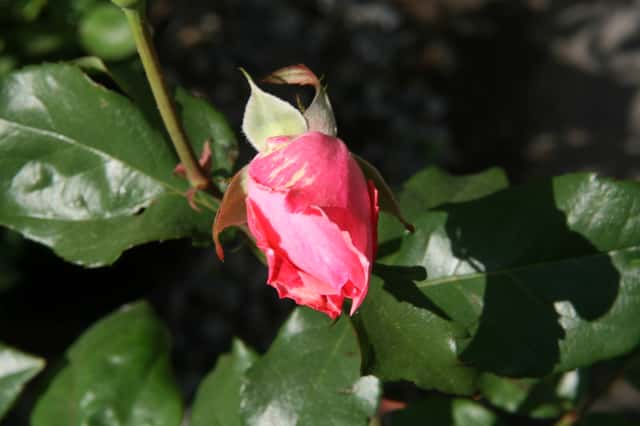
Grandiflora Rose (Rosa x grandiflora) is a medium-care plant from the Rosaceae family. Rosa x grandiflora, commonly known as the Grandiflora Rose, is a modern hybrid class created in the 1950s by crossing Hybrid Tea roses with Floribunda roses. The result is a vigorous, tall-growing shrub that bears large, elegant blooms in clusters on long stems, combining the best traits of both par...
Grandiflora Rose grows up to 2.4m, spread of 150cm, watering every 5 days, -12°C – 35°C, 50–70% humidity. It is not suitable for indoor environments and safe for pets.
Unlike many popular species, Grandiflora Rose is safe to keep around pets.
How to Care for Grandiflora Rose?
TLDR: Grandiflora Rose needs Direct sun, watering every 5 days, and temperatures between -12-35°C with 50-70% humidity.
How Often Should You Water Grandiflora Rose?
Water deeply at the base of the plant once every 4–7 days, soaking the root zone thoroughly. Avoid wetting foliage to reduce fungal disease risk. Increase watering frequency during hot, dry spells and reduce in cool, rainy weather.
How Much Light Does Grandiflora Rose Need?
Plant in a location with full sun — at least 6 to 8 hours of direct sunlight per day. Morning sun is ideal as it dries dew from foliage quickly, reducing the risk of fungal diseases like black spot and powdery mildew.
What Is the Best Soil for Grandiflora Rose?
Plant in rich, loamy, well-draining soil amended with compost or organic matter. Aim for a pH of 6.5 to 7.0. Avoid heavy clay soils that retain water and can lead to root rot. Raised beds or mounded planting sites improve drainage significantly.
What Pot Should You Use for Grandiflora Rose?
For outdoor planting, use garden beds with well-draining, fertile loam. For container growing, choose large pots (minimum 50 cm diameter) with drainage holes. Use heavy terracotta or ceramic pots that provide stability for tall canes. A mix of loamy garden soil, compost, and coarse sand is ideal.
Care Schedule
Fertilize
Every 30 days
What Is Grandiflora Rose and Where Does It Come From?
Rosa x grandiflora, commonly known as the Grandiflora Rose, is a modern hybrid class created in the 1950s by crossing Hybrid Tea roses with Floribunda roses. The result is a vigorous, tall-growing shrub that bears large, elegant blooms in clusters on long stems, combining the best traits of both parent classes. Grandiflora roses are celebrated for their repeat blooming, remarkable height, and wide spectrum of colors ranging from pure white to deep red, golden yellow, and vivid bicolors.
How to Propagate Grandiflora Rose?
Stem Cutting
Use clean, sharp tools to prevent disease transmission. Keep humidity high during rooting. Avoid direct sun which can dry out cuttings before roots form.
- 1 Select a healthy, non-flowering stem about 15–20 cm long with at least 3–4 leaf nodes.
- 2 Make a clean, diagonal cut just below a leaf node using sharp, sterilized pruners.
- 3 Remove all leaves from the lower half of the cutting.
- 4 Dip the cut end in rooting hormone powder or gel.
- 5 Insert the cutting into moist, well-draining propagation mix (perlite and peat).
- 6 Cover with a clear plastic bag or humidity dome to retain moisture.
- 7 Place in bright, indirect light and keep soil consistently moist.
- 8 Check for roots after 4–6 weeks by gently tugging the cutting.
Materials needed:
Budding/Grafting
Grafting produces stronger, more disease-resistant plants than cuttings. Best performed in summer when bark slips easily. Keep the union point above soil level.
- 1 Select a rootstock rose (such as Rosa multiflora) with vigorous roots.
- 2 Choose a healthy bud from the desired grandiflora variety.
- 3 Make a T-shaped incision in the rootstock bark.
- 4 Insert the selected bud under the bark flap.
- 5 Secure with budding tape, leaving the bud eye exposed.
- 6 Once the bud has taken (union formed), cut off the rootstock growth above the graft.
- 7 Allow the grafted bud to develop into a new cane.
Materials needed:
How Big Does Grandiflora Rose Grow?
TLDR: Grandiflora Rose can reach up to 2.4m tall with Fast growth rate.
Max height
2.4m
Spread
1.5m
Growth rate
Fast
Foliage
Deciduous
Plant Uses
Ornamental
Great for decoration
Is your plant showing symptoms?
Click on the symptom to discover possible causes:
What Diseases Commonly Affect Grandiflora Rose?
TLDR: Grandiflora Rose is susceptible to 10 known diseases. Monitor regularly for early detection.
Black Spot
Black spot is the most serious fungal disease affecting roses, caused by the fungus Diplocarpon rosae. It is characterized by dark circular spots on leaves that progress to yellowing and premature leaf drop. The disease thrives in humid and cool conditions, especially early in the growing season.
Powdery Mildew
Powdery mildew is a common fungal disease caused by various fungi species including Erysiphe, Podosphaera, Oïdium, and Leveillula. It affects over 10,000 plant species worldwide. The disease thrives in warm, dry climates with high humidity and appears as a distinctive white powdery coating on plant surfaces.
Aphids
Aphids are small, soft-bodied, pear-shaped insects (1/16 to 1/8 inch long) that feed by sucking nutrient-rich sap from plants. They reproduce rapidly and can quickly weaken plants, causing distorted growth and transmitting plant viruses. Aphids come in various colors including green, black, red, yellow, brown, and gray. They secrete honeydew, a sticky substance that attracts ants and encourages sooty mold growth.
Cercospora Leaf Spot
Cercospora leaf spot is a common fungal disease caused by Cercospora species that affects many plant types, particularly beets, roses, and leafy vegetables. The disease thrives in warm, humid conditions and can cause significant defoliation, reducing plant vigor and yield. It spreads rapidly through water splash, wind, and contaminated tools.
Meaning & Symbolism
In the language of flowers, grandiflora roses represent grandeur, deep love, and admiration. Their towering stature and abundant blooms make them symbols of celebration, triumph, and passionate romance.
Fun Facts
Grandiflora roses can grow up to 2.4 meters tall, making them among the tallest modern rose classes — often used as living privacy screens in gardens.
The class was officially recognized in the United States in 1954, with 'Queen Elizabeth' being the very first grandiflora rose ever introduced.
Unlike Hybrid Tea roses that produce one bloom per stem, grandiflora roses produce clusters of flowers simultaneously, offering far more blooms per plant.
Grandiflora roses are repeat bloomers, producing flowers continuously from late spring through the first frost of autumn.
Frequently asked questions
How often should I water my Grandiflora Rose?
How much sunlight does a Grandiflora Rose need?
When should I prune my Grandiflora Rose?
Are Grandiflora Roses toxic to pets?
How do I prevent black spot on my Grandiflora Rose?
Compare with similar plants
| Attribute | Difficulty | Light | Watering | Pet Safe |
|---|---|---|---|---|
| Dark Fieldcap | Medium | Low light | 2d | ⚠️ |
| Azalea | Medium | Partial shade | 3d | ⚠️ |
| Muriel's Bamboo | Medium | Partial shade | 3d | ✓ |
| Bougainvillea | Medium | Direct sun | 7d | ⚠️ |




