Acanthaceae
gray mangrove: Edible Plant
Avicennia marina
A true wetland specialist rather than a typical houseplant: Avicennia marina needs full sun, constant brackish-to-saline moisture (ideally tidal flooding), warm temperatures, and loamy or muddy, slightly alkaline soil. It will not tolerate drying out or cold snaps below about 15 C, and is essentially never grown as a conventional potted plant outside dedicated marine or paludarium setups.
Every 3 days
Direct sun
15° - 38°C
60% - 100%
Categories
What is gray mangrove?
gray mangrove (Avicennia marina) is a hard-care plant from the Acanthaceae family. Avicennia marina, the gray mangrove, is a salt-tolerant coastal tree native to the intertidal zones of the Indo-Pacific region, spanning East Africa, the Arabian Gulf, South and Southeast Asia, and Australasia. It grows as a shrub or tree from 3 to 14 meters tall, with smooth grey bark, leathery lea...
gray mangrove grows up to 14.0m, watering every 3 days, 15°C – 38°C, 60–100% humidity. It is not suitable for indoor environments and safe for pets.
Unlike easy-care plants, gray mangrove demands constant attention to humidity and light. Not recommended for beginners. Unlike many popular species, gray mangrove is safe to keep around pets.
How to Care for gray mangrove?
TLDR: gray mangrove needs Direct sun, watering every 3 days, and temperatures between 15-38°C with 60-100% humidity.
How Often Should You Water gray mangrove?
Keep the root zone constantly wet to waterlogged, mimicking tidal inundation. Flood with brackish or salt water and let it drain rather than letting the substrate dry out between waterings.
How Much Light Does gray mangrove Need?
Give it full, direct sun for most of the day. It is a pioneer species of open mudflats and performs poorly in deep shade, though young seedlings can tolerate brief part-shade.
What Is the Best Soil for gray mangrove?
Use a loamy, silty or muddy substrate that stays saturated. Aim for a mildly acidic-to-alkaline pH of about 6.5-8.0. Standard well-draining potting mixes are unsuitable.
What Pot Should You Use for gray mangrove?
Rarely container-grown. When attempted (e.g. in a paludarium or large water-tight planter), use a wide, shallow, non-draining or slow-draining vessel that can hold standing brackish water over a muddy or loamy substrate, rather than a standard free-draining pot.
What Is gray mangrove and Where Does It Come From?
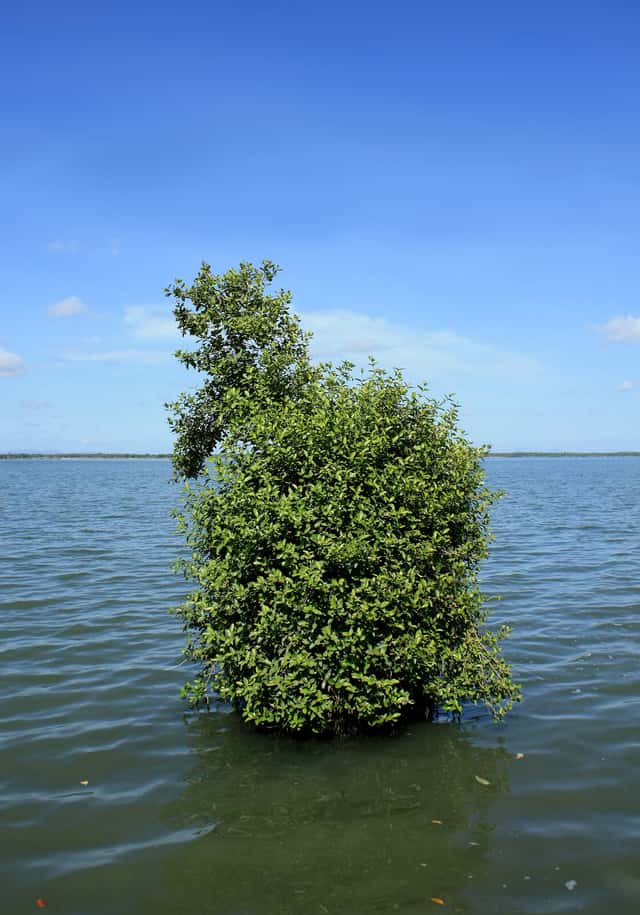
Avicennia marina, the gray mangrove, is a salt-tolerant coastal tree native to the intertidal zones of the Indo-Pacific region, spanning East Africa, the Arabian Gulf, South and Southeast Asia, and Australasia. It grows as a shrub or tree from 3 to 14 meters tall, with smooth grey bark, leathery leaves that are glossy dark green above and silvery-grey below (dusted with excreted salt crystals), and small white to pale yellow flowers. Its most distinctive feature is a network of pencil-like breathing roots (pneumatophores) that rise from the mud to draw oxygen in waterlogged, anaerobic sediment. A pioneer species, it colonizes newly formed mudflats and produces viviparous propagules that germinate while still attached to the parent tree before dropping and rooting in the substrate. Extremely tolerant of salinity, tidal flooding and heat, it is rarely cultivated outside coastal restoration, aquaculture, and specialist paludarium or bonsai settings.
How Big Does gray mangrove Grow?
TLDR: gray mangrove can reach up to 14.0m tall with Slow growth rate.
Max height
14.0m
Growth rate
Slow
Foliage
Evergreen
Warning: Toxic Plant
This plant can be toxic if ingested. Keep out of reach of:
Plant Uses
Medicinal
Medicinal properties
Edible
Can be consumed
Medicinal Uses
- Leaves and bark used in traditional medicine across Asia, the Middle East and East Africa to treat skin ailments, wounds, ulcers, rheumatism and burns
- Fruit used in folk medicine for constipation and dysentery
- Leaf and bark extracts investigated in modern research for antimicrobial, anti-inflammatory, antioxidant and anticancer activity
- Used in Iranian and UAE folk medicine as an aphrodisiac and treatment for scabies and toothache
Culinary Uses
- Propagules (fruit/seed) eaten by some coastal and Aboriginal communities after prolonged soaking or burial in mud for several days to leach out bitter, toxic compounds
- Processed seeds and cotyledons boiled and used in soups, dumplings and fried dishes in parts of Asia
- Leaves used as fodder for camels and livestock throughout the Middle East, Pakistan and northeast Africa
Is your plant showing symptoms?
Click on the symptom to discover possible causes:
What Diseases Commonly Affect gray mangrove?
TLDR: gray mangrove is susceptible to 4 known diseases. Monitor regularly for early detection.
Canker
Canker is a disease caused by various fungi and bacteria that create necrotic, sunken areas on bark of branches, stems, and trunks. Pathogens enter through wounds and natural openings, especially when plants are stressed. Canker can gradually weaken or kill branches by disrupting water and nutrient flow.
Root Rot
Root rot is a serious fungal disease that affects the root system of plants, causing them to decay and die. It is primarily caused by overwatering, poor drainage, or soil-borne fungi such as Pythium, Phytophthora, Rhizoctonia, and Fusarium. The disease thrives in waterlogged conditions where roots are deprived of oxygen, making them susceptible to fungal infection.
Leaf Spot
Leaf spot is a common fungal disease caused by various pathogens including Alternaria, Ascochyta, Colletotrichum, Septoria, and Venturia. It primarily affects leaves, causing discolored spots that can lead to premature leaf drop if left untreated.
Phytophthora Root Rot
The Phytophthora genus consists of soil-borne oomycetes (water molds) that act as plant pathogens, primarily affecting trees and woody plants. It typically spreads through the root system, leading to systemic decline and eventual plant collapse.
Meaning & Symbolism
In the coastal communities of the Arabian Gulf and Indo-Pacific, the gray mangrove is a symbol of resilience and adaptation, an organism that thrives where almost nothing else can, in scorching heat, high salinity and periodic flooding. It also represents ecological guardianship, since its root systems buffer shorelines from erosion and storm surge and its canopy nurses fish and shellfish nurseries.
Compare with similar plants
| Attribute | Difficulty | Light | Watering | Pet Safe |
|---|---|---|---|---|
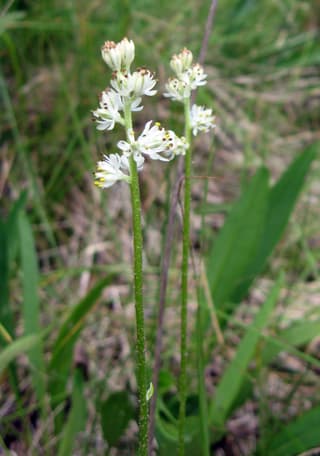
| Sticky false asphodel | Hard | Bright indirect | 1d | ✓ |
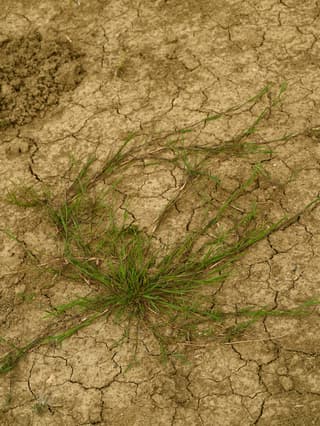
| Creeping bentgrass | Hard | Direct sun | 3d | ✓ |
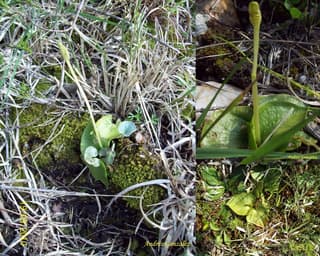
| Bulbous Adder's-tongue | Hard | Partial shade | 4d | ✓ |
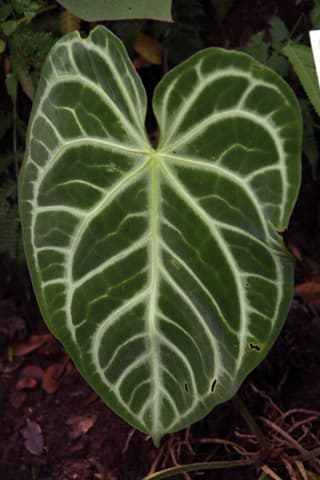
| Crystal Anthurium | Hard | Partial shade | 7d | ⚠️ |
Choose & Compare
Sources & References
- Avicennia marina - Wikipedia
- Gray Mangrove Plant Care & Growing Basics | PlantIn
- Grey Mangrove - Ocean Education & Conservation
- Plant-Associated Neoscytalidium dimidiatum - MDPI Review
- Avicennia marina - World Agroforestry Useful Trees
- Significance of Avicennia Marina in the Arabian Gulf Environment
- White mangrove - Edible Plant Database
- Avicennia marina - Useful Tropical Plants