Pteridaceae
Maidenhair Fern (Adiantum raddianum): Complete Care Guide
Adiantum raddianum
Medium-high difficulty fern that requires constant high humidity (60-90%), frequent watering without waterlogging, and bright indirect light. Ideal for bathrooms or kitchens with natural light. Does not tolerate direct sun or dry environments.
Every 3 days
Partial shade
16° - 28°C
60% - 90%
Categories
What is Delta Maidenhair Fern?
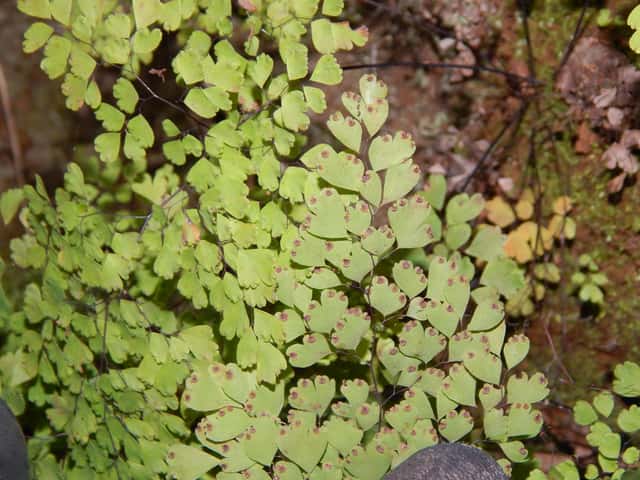
Delta Maidenhair Fern (Adiantum raddianum) is a hard-care plant from the Pteridaceae family. Adiantum raddianum is a delicate and elegant fern native to South America, known for its fan-shaped fronds with triangular pinnules and shiny black stems. It is one of the most popular houseplants due to its ethereal and graceful appearance that brings freshness to any space.
Delta Maidenhair Fern grows up to 60cm, spread of 60cm, watering every 3 days, 16°C – 28°C, 60–90% humidity. It is suitable for indoor environments and safe for pets.
Unlike easy-care plants, Delta Maidenhair Fern demands constant attention to humidity and light. Not recommended for beginners. Unlike many popular species, Delta Maidenhair Fern is safe to keep around pets. Without adequate drainage, root rot can develop within 7 days.
How to Care for Delta Maidenhair Fern?
TLDR: Delta Maidenhair Fern needs Partial shade, watering every 3 days, and temperatures between 16-28°C with 60-90% humidity.
How Often Should You Water Delta Maidenhair Fern?
Keep the substrate always slightly moist but never waterlogged. Water frequently in small amounts, preferably with lime-free or rainwater. In summer it may need watering every 2-3 days.
How Much Light Does Delta Maidenhair Fern Need?
Needs bright indirect light. Never expose to direct sunlight which would burn its delicate fronds. Ideal near north or east-facing windows, or in bright bathrooms.
What Is the Best Soil for Delta Maidenhair Fern?
Light, well-draining substrate. Mix universal potting mix with perlite in equal parts. Prefers slightly acidic soil (pH 5.5-6.5). Adding peat helps retain moisture.
What Pot Should You Use for Delta Maidenhair Fern?
Plastic or glazed ceramic pot that retains moisture. Avoid terracotta which dries out too quickly. Ensure good drainage with holes in the base.
Care Schedule
Fertilize
Every 30 days
Misting
Every 1 days
Repot
Every 730 days
What Is Delta Maidenhair Fern and Where Does It Come From?
Adiantum raddianum is a delicate and elegant fern native to South America, known for its fan-shaped fronds with triangular pinnules and shiny black stems. It is one of the most popular houseplants due to its ethereal and graceful appearance that brings freshness to any space.
How to Propagate Delta Maidenhair Fern?
Division
Best time is spring or fall
- 1 Carefully remove the plant from its pot
- 2 Separate clumps with roots using hands or a clean knife
- 3 Plant each division in individual pots with fresh substrate
- 4 Maintain high humidity and constant watering until established
Materials needed:
How Big Does Delta Maidenhair Fern Grow?
TLDR: Delta Maidenhair Fern can reach up to 60cm tall with Medium growth rate.
Max height
60cm
Spread
60cm
Growth rate
Medium
Foliage
Evergreen
Plant Uses
Ornamental
Great for decoration
Air Purifying
Improves air quality
Medicinal Uses
- Traditionally used for respiratory problems
- Infusions for cough
Is your plant showing symptoms?
Click on the symptom to discover possible causes:
What Diseases Commonly Affect Delta Maidenhair Fern?
TLDR: Delta Maidenhair Fern is susceptible to 30 known diseases. Monitor regularly for early detection.
Root Rot
Root rot is a serious fungal disease that affects the root system of plants, causing them to decay and die. It is primarily caused by overwatering, poor drainage, or soil-borne fungi such as Pythium, Phytophthora, Rhizoctonia, and Fusarium. The disease thrives in waterlogged conditions where roots are deprived of oxygen, making them susceptible to fungal infection.
Pythium Root Rot
Pythium root rot is a serious fungal disease caused by various Pythium species including P. aphanidermatum, P. ultimum, and P. irregulare. These water molds are present in practically all cultivated soils and attack plant roots under wet conditions, causing rapid wet rot that can extend into the stem. The disease is favored by poor drainage, overwatering, and specific temperatures depending on the species.
Phytophthora Root Rot
Disease caused by fungus-like organisms (oomycetes) that live in soil and can survive for years. It affects roots, stem, and crown of plants, being especially severe in waterlogged or poorly drained soils. It is the second most common cause of root rot in trees and shrubs.
Gray Mold (Botrytis Blight)
Gray mold, caused by the fungus Botrytis cinerea, is one of the most common fungal diseases in plants. It affects over 200 plant species, including ornamentals, vegetables, fruits, and houseplants. The disease thrives in cool, humid conditions with poor air circulation, causing grayish spots and soft rot on infected tissues.
Meaning & Symbolism
Symbolizes delicacy, grace, and purity. In some cultures it represents protection and femininity.
Fun Facts
The name "Adiantum" comes from Greek meaning "unwetted" — the leaves naturally repel water!
Maidenhair fern has been used for centuries in traditional medicine as an expectorant to treat coughs and bronchitis.
The shiny black stems of the maidenhair fern are so resilient that indigenous peoples used them to weave baskets.
With proper care, a maidenhair fern can live for over 20 years, becoming a faithful companion for your home.
Maidenhair ferns are among the oldest plants on Earth — the Adiantum genus has existed for over 200 million years!
Frequently asked questions
How often should I water my maidenhair fern?
Why are the leaves of my maidenhair fern falling off?
Is the maidenhair fern toxic to cats and dogs?
Where should I place a maidenhair fern indoors?
How do I increase humidity for my maidenhair fern?
Compare with similar plants
| Attribute | Difficulty | Light | Watering | Pet Safe |
|---|---|---|---|---|
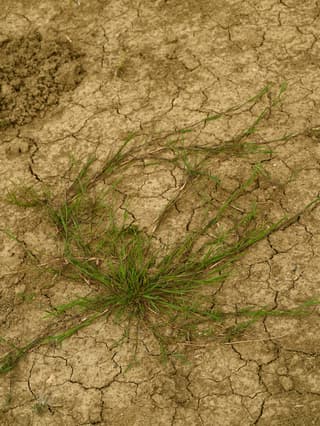
| Creeping bentgrass | Hard | Direct sun | 3d | ✓ |
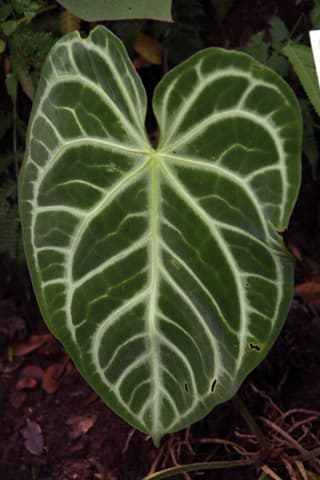
| Crystal Anthurium | Hard | Partial shade | 7d | ⚠️ |
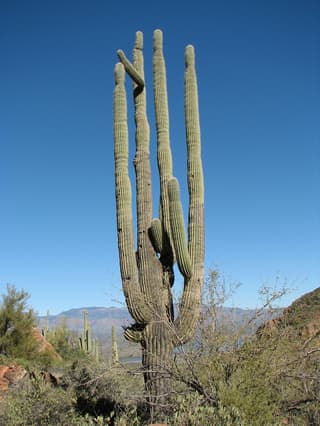
| Saguaro | Hard | Direct sun | 21d | ✓ |
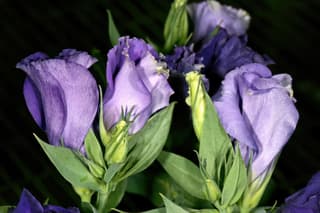
| Lisianthus | Hard | Bright indirect | 7d | ✓ |