Heliconiaceae
Parrot Heliconia: Complete Care Guide for Heliconia psittacorum
Heliconia psittacorum
An easy-to-care-for tropical plant well suited to warm, humid climates. Requires full sun to partial shade, regular watering to keep soil evenly moist, and monthly fertilizing during the growing season. Fast-growing and suitable for both containers and garden beds.
Every 3 days
Bright indirect
13° - 35°C
50% - 80%
Categories
What is Parrot Heliconia?
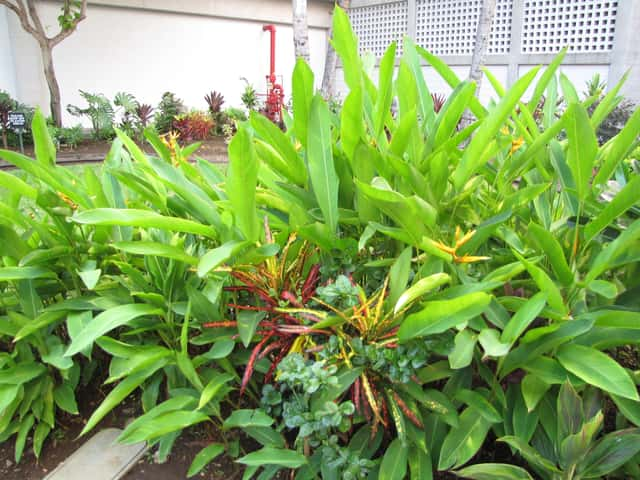
Parrot Heliconia (Heliconia psittacorum) is a medium-care plant from the Heliconiaceae family. Heliconia psittacorum, commonly known as Parrot Heliconia or Parrot's Beak, is a tropical flowering plant native to Brazil and the Caribbean. It is prized for its vibrant bracts in shades of red, orange, and yellow that resemble a parrot's plumage. A member of the Heliconiaceae family, it blooms nea...
Parrot Heliconia grows up to 1.5m, with spread of 90cm, watering every 3 days, 13°C – 35°C, 50–80% humidity. It is suitable for indoor environments and safe for pets.
Unlike many popular species, Parrot Heliconia is safe to keep around pets. Without adequate drainage, root rot can develop within 7 days.
How to Care for Parrot Heliconia?
TLDR: Parrot Heliconia needs Bright indirect, watering every 3 days, and temperatures between 13-35°C with 50-80% humidity.
How Often Should You Water Parrot Heliconia?
Keep soil evenly moist but never waterlogged. Water every 2-4 days during warm months and reduce frequency in winter. Always water at the base to avoid wetting foliage, which can promote fungal diseases.
How Much Light Does Parrot Heliconia Need?
Provide 4-6 hours of direct sunlight daily for best flowering. In very hot regions, afternoon shade is beneficial. High-light indoor spots near south-facing windows also work well.
What Is the Best Soil for Parrot Heliconia?
Use a rich, well-draining potting mix with high organic matter content. Add 30-40% compost to garden soil with a sandy fraction for aeration. Prefers slightly acidic pH between 5.8 and 6.5.
What Pot Should You Use for Parrot Heliconia?
Ceramic or plastic pots with good drainage holes. For outdoor planting, raised beds or garden borders with well-draining soil.
Care Schedule
Fertilize
Every 30 days
Misting
Every 3 days
Repot
Every 730 days
What Is Parrot Heliconia and Where Does It Come From?
Heliconia psittacorum, commonly known as Parrot Heliconia or Parrot's Beak, is a tropical flowering plant native to Brazil and the Caribbean. It is prized for its vibrant bracts in shades of red, orange, and yellow that resemble a parrot's plumage. A member of the Heliconiaceae family, it blooms nearly year-round in warm climates and is widely used as an ornamental garden plant and cut flower.
How to Propagate Parrot Heliconia?
Rhizome Division
Divide in spring to take advantage of active growth. Use sterilized tools to prevent disease transmission. Water lightly in the first days to avoid rot.
- 1 Remove the plant from the pot or carefully excavate the rhizome
- 2 Divide rhizomes with a clean, sharp knife keeping 2-3 leaves per division
- 3 Treat cuts with fungicide or cinnamon powder
- 4 Plant each division in moist, well-draining potting mix
- 5 Keep in a shaded spot for 2 weeks until roots establish
Materials needed:
How Big Does Parrot Heliconia Grow?
TLDR: Parrot Heliconia can reach up to 1.5m tall with Fast growth rate.
Max height
1.5m
Spread
90cm
Growth rate
Fast
Foliage
Evergreen
Plant Uses
Ornamental
Great for decoration
Air Purifying
Improves air quality
Is your plant showing symptoms?
Click on the symptom to discover possible causes:
What Diseases Commonly Affect Parrot Heliconia?
TLDR: Parrot Heliconia is susceptible to 16 known diseases. Monitor regularly for early detection.
Root Rot
Root rot is a serious fungal disease that affects the root system of plants, causing them to decay and die. It is primarily caused by overwatering, poor drainage, or soil-borne fungi such as Pythium, Phytophthora, Rhizoctonia, and Fusarium. The disease thrives in waterlogged conditions where roots are deprived of oxygen, making them susceptible to fungal infection.
Pythium Root Rot
Pythium root rot is a serious fungal disease caused by various Pythium species including P. aphanidermatum, P. ultimum, and P. irregulare. These water molds are present in practically all cultivated soils and attack plant roots under wet conditions, causing rapid wet rot that can extend into the stem. The disease is favored by poor drainage, overwatering, and specific temperatures depending on the species.
Phytophthora Root Rot
Disease caused by fungus-like organisms (oomycetes) that live in soil and can survive for years. It affects roots, stem, and crown of plants, being especially severe in waterlogged or poorly drained soils. It is the second most common cause of root rot in trees and shrubs.
Leaf Spot
Leaf spot is a common fungal disease caused by various pathogens including Alternaria, Ascochyta, Colletotrichum, Septoria, and Venturia. It primarily affects leaves, causing discolored spots that can lead to premature leaf drop if left untreated.
Meaning & Symbolism
Symbol of joy, liveliness, and resilience. In Latin American cultures it represents empowerment and enduring beauty. Often used in festive arrangements to convey celebration.
Fun Facts
One of the most commercially cultivated Heliconia species worldwide, with over 40 varieties available
Its flowers are a vital nectar source for hummingbirds throughout the Americas
The colorful bracts we admire as "flowers" are actually modified leaves — the true flowers are small and hidden inside the bracts
Native to Brazil and the Caribbean, it has been introduced to tropical gardens on every continent
Frequently asked questions
How often should I water Parrot Heliconia?
Is Parrot Heliconia toxic to cats or dogs?
Why is my Parrot Heliconia not blooming?
Can I grow Parrot Heliconia indoors?
How do I propagate Parrot Heliconia?
Compare with similar plants
| Attribute | Difficulty | Light | Watering | Pet Safe |
|---|---|---|---|---|
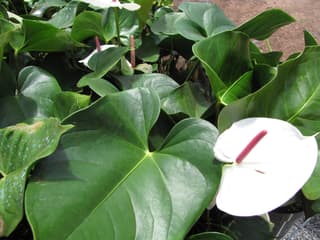
| Flamingo Flower | Medium | Partial shade | 5d | ⚠️ |
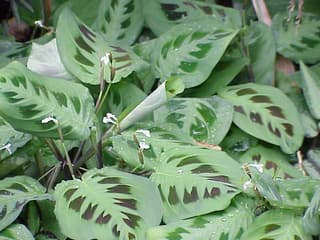
| Prayer Plant | Medium | Partial shade | 3d | ✓ |
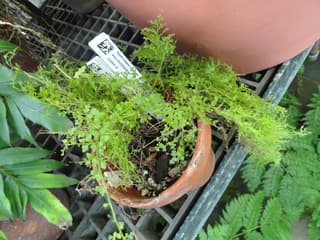
| Boston Fern | Medium | Partial shade | 3d | ✓ |
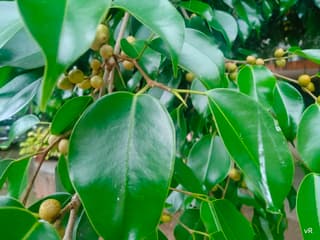
| Weeping Fig | Medium | Partial shade | 10d | ⚠️ |