Dioscoreaceae
Yam (Dioscorea): Complete Growing & Care Guide
Dioscorea
Plant in fertile, well-draining soil in full sun to partial shade. Water regularly during active growth, keeping soil consistently moist but never waterlogged. Reduce watering as vines die back in autumn, then withhold water during dormancy. Feed monthly with a balanced fertilizer during the growing season for best tuber development.
Every 8 days
Bright indirect
10° - 32°C
50% - 80%
Categories
What is Yam?
Yam (Dioscorea) is a medium-care plant from the Dioscoreaceae family. Dioscorea is a large genus of over 600 species of twining vines in the family Dioscoreaceae, found across tropical and subtropical regions worldwide. The genus includes important food crops such as D. alata (water yam/purple yam), D. rotundata (white yam), and D. cayenensis (yellow yam), as well as...
Yam grows up to 9.0m, with spread of 200cm, watering every 8 days, 10°C – 32°C, 50–80% humidity. It is not suitable for indoor environments and not safe for pets.
Without precautions, ingestion can cause irritation in pets. Keep out of reach of cats and dogs.
How to Care for Yam?
TLDR: Yam needs Bright indirect, watering every 8 days, and temperatures between 10-32°C with 50-80% humidity.
How Often Should You Water Yam?
Water every 7-10 days during the growing season, when the top 2 inches of soil have dried out. Drip irrigation or soaker hoses work well. Significantly reduce watering in autumn as foliage begins to yellow and die back, and stop watering entirely during dormancy to prevent tuber rot.
How Much Light Does Yam Need?
Requires full sun (6-8 hours of direct light daily) for maximum tuber production. Tolerates partial shade, but growth and yields will be reduced. In very hot climates, light afternoon shade can prevent leaf scorch without significantly impacting yield.
What Is the Best Soil for Yam?
Use fertile, loose, well-draining soil rich in organic matter. A mix of loam, compost, and coarse sand or perlite works well. Neutral to slightly acidic pH (5.5-7.0). Heavy clay soils impede tuber development — always amend with organic matter before planting.
What Pot Should You Use for Yam?
Large containers (40+ cm) with excellent drainage for ornamental growing; in-ground planting preferred for edible tuber production. Provide a sturdy vertical support (trellis, poles, fence) for vigorous vines.
Care Schedule
Fertilize
Every 30 days
Repot
Every 365 days
What Is Yam and Where Does It Come From?
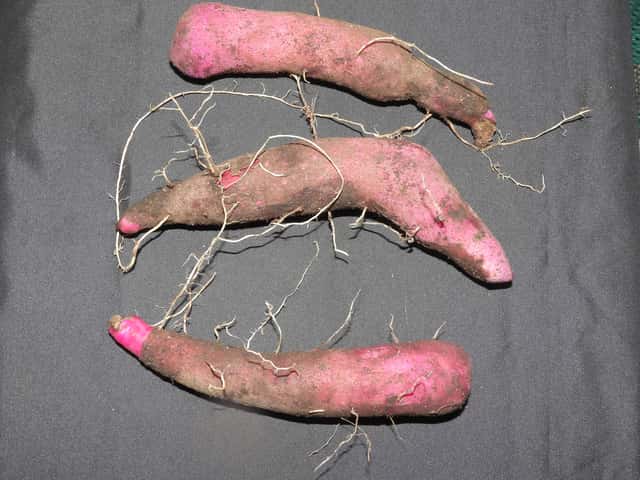
Dioscorea is a large genus of over 600 species of twining vines in the family Dioscoreaceae, found across tropical and subtropical regions worldwide. The genus includes important food crops such as D. alata (water yam/purple yam), D. rotundata (white yam), and D. cayenensis (yellow yam), as well as the ornamental D. elephantipes (elephant's foot). Plants produce starchy, edible tubers and vigorous climbing vines that die back to dormancy in cooler or dry seasons.
How to Propagate Yam?
Tuber Division
Use a sterilized knife to prevent fungal infections. Dust cut surfaces with wood ash or fungicide powder before planting.
- 1 Select a healthy tuber with at least one visible bud or eye
- 2 Cut into 200-300g pieces, ensuring each piece has one or more eyes
- 3 Allow cut surfaces to air-dry for 24-48 hours to callous
- 4 Plant 4-6 inches deep in fertile, well-draining soil
- 5 Keep soil lightly moist until shoots emerge
Materials needed:
How Big Does Yam Grow?
TLDR: Yam can reach up to 9.0m tall with Fast growth rate.
Max height
9.0m
Spread
2.0m
Growth rate
Fast
Foliage
Deciduous
Warning: Toxic Plant
This plant can be toxic if ingested. Keep out of reach of:
Plant Uses
Edible
Can be consumed
Medicinal
Medicinal properties
Ornamental
Great for decoration
Medicinal Uses
- Anti-inflammatory properties from diosgenin in wild yam species
- Used in traditional African and Asian medicine for joint pain and hormonal balance
- Pharmaceutical precursor: diosgenin is a base compound for steroid synthesis
Culinary Uses
- Boiled, baked, fried, or mashed tubers as a staple food
- Yam flour for gluten-free baking and traditional recipes
- D. alata (ube) used in desserts, ice cream, and beverages across Southeast Asia and the Caribbean
Is your plant showing symptoms?
Click on the symptom to discover possible causes:
What Diseases Commonly Affect Yam?
TLDR: Yam is susceptible to 7 known diseases. Monitor regularly for early detection.
Anthracnose
Anthracnose is a fungal disease caused by fungi in the genus Colletotrichum that affects many plants, including vegetables, fruits, and trees. The disease thrives in cool, wet conditions, causing dark, sunken lesions on leaves, stems, flowers, and fruits.
Mosaic Virus
Mosaic virus is a group of plant viruses that cause mottled, patchy patterns on leaves and can affect a wide variety of plants. The virus creates characteristic yellow, white, and green mosaic patterns, often accompanied by stunted growth and deformed plant parts. This highly contagious disease spreads rapidly through insect vectors and contaminated tools.
Root Rot
Root rot is a serious fungal disease that affects the root system of plants, causing them to decay and die. It is primarily caused by overwatering, poor drainage, or soil-borne fungi such as Pythium, Phytophthora, Rhizoctonia, and Fusarium. The disease thrives in waterlogged conditions where roots are deprived of oxygen, making them susceptible to fungal infection.
Root-Knot Nematodes
Root-knot nematodes (Meloidogyne species) are microscopic roundworms that parasitize plant roots, causing characteristic galls or knots. These soil-borne pests are among the most economically damaging plant pathogens worldwide, affecting a wide range of ornamental and edible plants. The nematodes inject enzymes into root cells, causing abnormal swelling and disrupting water and nutrient uptake.
Meaning & Symbolism
Yams symbolize abundance, fertility, and nourishment across African, Asian, and Caribbean cultures, often featured in harvest festivals and ancestral ceremonies.
Fun Facts
Yams are one of the oldest cultivated crops in human history, with evidence of cultivation dating back over 8,000 years in West Africa
A single D. alata tuber can weigh over 110 lbs (50 kg) and grow longer than 6 feet (2 m) if left unharvested
The diosgenin compound from wild yam was the key ingredient used to synthesize the first oral contraceptive pill in the 1960s
True yams (Dioscorea) are not related to sweet potatoes — they belong to an entirely different plant family
Frequently asked questions
When should I plant yams?
Why are my yam leaves turning yellow?
Are yams toxic to pets?
How do I control anthracnose on yams?
How long does it take yams to mature?
Compare with similar plants
| Attribute | Difficulty | Light | Watering | Pet Safe |
|---|---|---|---|---|
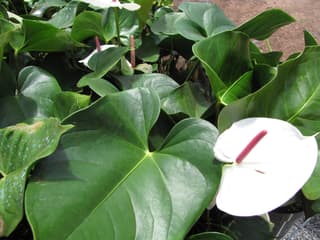
| Flamingo Flower | Medium | Partial shade | 5d | ⚠️ |
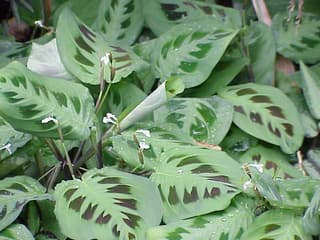
| Prayer Plant | Medium | Partial shade | 3d | ✓ |
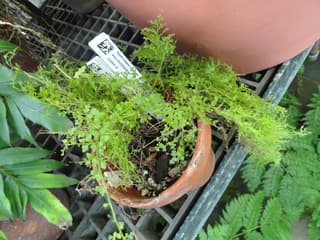
| Boston Fern | Medium | Partial shade | 3d | ✓ |
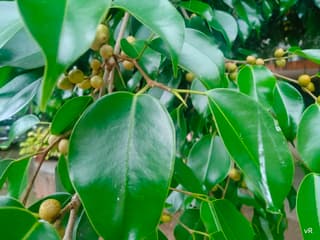
| Weeping Fig | Medium | Partial shade | 10d | ⚠️ |