Rubiaceae
Chinese Ixora (Ixora chinensis): Complete Care Guide
Ixora chinensis
Plant in acidic, well-drained soil with full sun exposure. Water regularly keeping moisture consistent without waterlogging. Fertilize monthly with an acid-loving plant fertilizer. Prune lightly after flowering cycles to maintain compact shape.
Every 7 days
Direct sun
15° - 35°C
50% - 80%
Categories
What is Chinese Ixora?
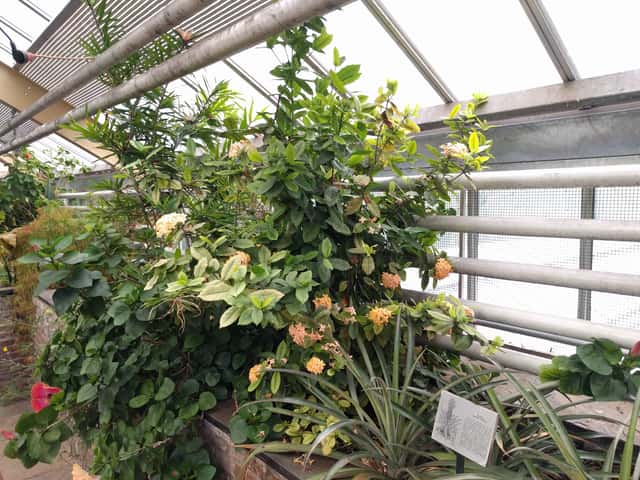
Chinese Ixora (Ixora chinensis) is a medium-care plant from the Rubiaceae family. Ixora chinensis, commonly known as Chinese Ixora or Dwarf Ixora, is a tropical evergreen shrub in the Rubiaceae family, native to China and Southeast Asia. It produces dense clusters of small, vibrant flowers in shades of red, orange, pink, yellow, and white, blooming almost year-round in tropical c...
Chinese Ixora grows up to 1.5m, with spread of 120cm, watering every 7 days, 15°C – 35°C, 50–80% humidity. It is suitable for indoor environments and safe for pets.
Unlike many popular species, Chinese Ixora is safe to keep around pets. Without adequate drainage, root rot can develop within 14 days.
How to Care for Chinese Ixora?
TLDR: Chinese Ixora needs Direct sun, watering every 7 days, and temperatures between 15-35°C with 50-80% humidity.
How Often Should You Water Chinese Ixora?
Water every 7 days, keeping the soil evenly moist but never waterlogged. Reduce frequency in winter. Avoid wetting foliage and flowers directly to prevent fungal issues.
How Much Light Does Chinese Ixora Need?
Place Chinese Ixora in a location with full sun, receiving at least 6 to 8 hours of direct sunlight daily. Indoors, position near the brightest window available. Insufficient light dramatically reduces flowering.
What Is the Best Soil for Chinese Ixora?
Use slightly acidic soil with pH between 5.0 and 6.5, rich in organic matter and well-draining. Mix garden soil, coarse sand, and compost. Avoid alkaline soils, common near concrete walls, as they cause iron chlorosis.
What Pot Should You Use for Chinese Ixora?
Terracotta or ceramic pot with generous drainage holes. The porous material helps regulate moisture and soil pH. Avoid metal containers that can alter the pH and harm the plant.
Care Schedule
Fertilize
Every 30 days
Misting
Every 3 days
Repot
Every 365 days
What Is Chinese Ixora and Where Does It Come From?
Ixora chinensis, commonly known as Chinese Ixora or Dwarf Ixora, is a tropical evergreen shrub in the Rubiaceae family, native to China and Southeast Asia. It produces dense clusters of small, vibrant flowers in shades of red, orange, pink, yellow, and white, blooming almost year-round in tropical climates. It is widely used in gardens, hedges, and ornamental beds, prized for its long flowering period and compact, dense growth habit.
How to Propagate Chinese Ixora?
Stem Cutting
Maintain temperature between 25-30°C for best results. Avoid direct sun until rooted. Replace the medium if mold appears.
- 1 Cut a healthy semi-hardwood stem 10-15 cm long with 2-3 leaf pairs
- 2 Remove lower leaves, leaving only 2-3 at the tip
- 3 Apply rooting hormone (IBA) to the cut base
- 4 Plant in moist propagation mix of sand and perlite (1:1)
- 5 Cover with a plastic bag to maintain high humidity
- 6 Keep in a warm, shaded location until rooting occurs
Materials needed:
How Big Does Chinese Ixora Grow?
TLDR: Chinese Ixora can reach up to 1.5m tall with Slow growth rate.
Max height
1.5m
Spread
1.2m
Growth rate
Slow
Foliage
Evergreen
Plant Uses
Ornamental
Great for decoration
Is your plant showing symptoms?
Click on the symptom to discover possible causes:
What Diseases Commonly Affect Chinese Ixora?
TLDR: Chinese Ixora is susceptible to 12 known diseases. Monitor regularly for early detection.
Anthracnose
Anthracnose is a fungal disease caused by fungi in the genus Colletotrichum that affects many plants, including vegetables, fruits, and trees. The disease thrives in cool, wet conditions, causing dark, sunken lesions on leaves, stems, flowers, and fruits.
Leaf Spot
Leaf spot is a common fungal disease caused by various pathogens including Alternaria, Ascochyta, Colletotrichum, Septoria, and Venturia. It primarily affects leaves, causing discolored spots that can lead to premature leaf drop if left untreated.
Root Rot
Root rot is a serious fungal disease that affects the root system of plants, causing them to decay and die. It is primarily caused by overwatering, poor drainage, or soil-borne fungi such as Pythium, Phytophthora, Rhizoctonia, and Fusarium. The disease thrives in waterlogged conditions where roots are deprived of oxygen, making them susceptible to fungal infection.
Bacterial Leaf Spot
Bacterial leaf spot is a plant disease caused by bacteria in the Xanthomonas and Pseudomonas genera that affects various ornamental and edible plants. The bacteria infect leaves through wounds or natural openings, causing characteristic lesions that can lead to premature leaf drop and plant weakening.
Meaning & Symbolism
Ixora symbolizes joy, hospitality, and tropical beauty. In some Asian cultures, it is associated with prosperity and good fortune.
Fun Facts
Chinese Ixora can bloom almost year-round in warm tropical climates
It belongs to the same family as coffee and gardenia (Rubiaceae)
It is highly sensitive to alkaline soil pH, developing iron chlorosis in unsuitable conditions
The flowers form inflorescences called corymbs, which can contain dozens of tiny blooms
Frequently asked questions
How often should I water Chinese Ixora?
Why is my Chinese Ixora not blooming?
Is Chinese Ixora toxic to pets?
How do I acidify the soil for Ixora?
When and how should I prune Chinese Ixora?
Compare with similar plants
| Attribute | Difficulty | Light | Watering | Pet Safe |
|---|---|---|---|---|
| Flamingo Flower | Medium | Partial shade | 5d | ⚠️ |
| Prayer Plant | Medium | Partial shade | 3d | ✓ |
| Boston Fern | Medium | Partial shade | 3d | ✓ |
| Weeping Fig | Medium | Partial shade | 10d | ⚠️ |