Myrtaceae
Brazilian Grapetree (Myrciaria jaboticaba)
Myrciaria jaboticaba
Full sun plant with high water demands, especially during flowering and fruiting. Prefers fertile, organically rich, well-drained soil with slightly acidic pH. Very slow grower; fertilize every 3 months. Prune annually to remove dead branches.
Every 3 days
Direct sun
5° - 38°C
60% - 85%
Categories
What is Brazilian Grapetree?
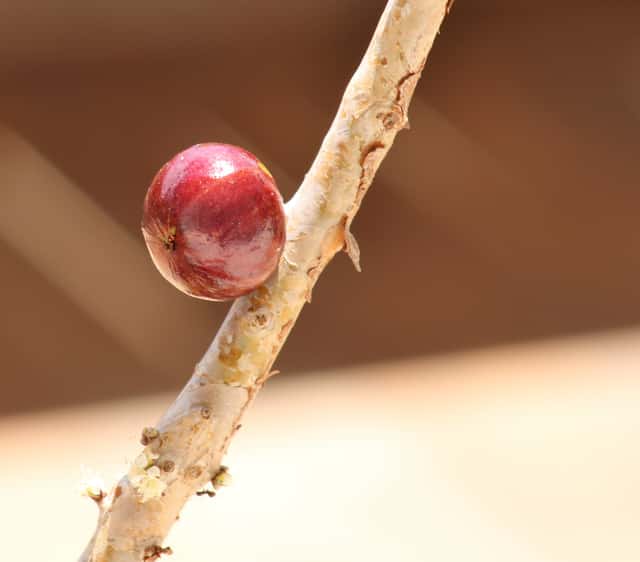
Brazilian Grapetree (Myrciaria jaboticaba) is a medium-care plant from the Myrtaceae family. The Brazilian Grapetree (Myrciaria jaboticaba) is a fruit-bearing tree native to Brazil's Atlantic Forest and Cerrado, renowned for producing its dark purple fruits directly on the trunk and main branches — a phenomenon known as cauliflory. It is one of the most cultivated jaboticaba varieties in Br...
Brazilian Grapetree grows up to 8.0m, spread of 400cm, watering every 3 days, 5°C – 38°C, 60–85% humidity. It is not suitable for indoor environments and safe for pets.
Unlike many popular species, Brazilian Grapetree is safe to keep around pets.
How to Care for Brazilian Grapetree?
TLDR: Brazilian Grapetree needs Direct sun, watering every 3 days, and temperatures between 5-38°C with 60-85% humidity.
How Often Should You Water Brazilian Grapetree?
Water every 2-3 days, keeping the soil consistently moist but never waterlogged. Increase watering frequency during flowering and fruiting seasons. Never allow the soil to dry out completely.
How Much Light Does Brazilian Grapetree Need?
Requires full sun with at least 6 hours of direct sunlight daily. Avoid shaded locations as this significantly reduces fruit production.
What Is the Best Soil for Brazilian Grapetree?
Prefers fertile, organically rich and well-draining soil. Amend with aged compost and dolomitic limestone at planting. Maintain pH between 5.5 and 6.5.
What Pot Should You Use for Brazilian Grapetree?
Large ceramic or concrete pot with adequate drainage holes. For container growing, use a minimum 100-liter container.
Care Schedule
Fertilize
Every 90 days
What Is Brazilian Grapetree and Where Does It Come From?
The Brazilian Grapetree (Myrciaria jaboticaba) is a fruit-bearing tree native to Brazil's Atlantic Forest and Cerrado, renowned for producing its dark purple fruits directly on the trunk and main branches — a phenomenon known as cauliflory. It is one of the most cultivated jaboticaba varieties in Brazil, prized for its sweet, thin-skinned fruits with juicy white pulp.
How to Propagate Brazilian Grapetree?
Seed Propagation
Sow immediately after extraction as seeds lose viability within a few days. Keep substrate moist until germination.
- 1 Extract seeds from ripe fruits and rinse thoroughly
- 2 Sow immediately in moist potting mix (seeds lose viability quickly)
- 3 Cover lightly with substrate and keep in a warm, humid location
- 4 Transplant to a larger pot when seedling reaches 20 cm
Materials needed:
Grafting
Grafting accelerates fruiting to 3-4 years. Use clean, sharp tools to ensure success.
- 1 Select a jaboticaba rootstock at least 1 year old
- 2 Make a T-cut on the rootstock and insert the desired scion bud
- 3 Wrap with grafting tape and protect from direct rain
- 4 Remove tape after the scion begins to sprout
Materials needed:
How Big Does Brazilian Grapetree Grow?
TLDR: Brazilian Grapetree can reach up to 8.0m tall with Slow growth rate.
Max height
8.0m
Spread
4.0m
Growth rate
Slow
Foliage
Semi-evergreen
Plant Uses
Ornamental
Great for decoration
Edible
Can be consumed
Culinary Uses
- Fresh fruit consumption
- Jams and preserves
- Jaboticaba wine
- Artisanal vinegar
- Jaboticaba liqueur
Is your plant showing symptoms?
Click on the symptom to discover possible causes:
What Diseases Commonly Affect Brazilian Grapetree?
TLDR: Brazilian Grapetree is susceptible to 7 known diseases. Monitor regularly for early detection.
Rust
Rust is a common fungal disease caused by fungi in the order Pucciniales that affects a wide variety of plants. The disease gets its name from the characteristic orange, yellow, or reddish-brown pustules that appear on leaves, resembling metal rust. This obligate fungal parasite requires living plants to survive and can cause significant economic losses in agricultural crops.
Powdery Mildew
Powdery mildew is a common fungal disease caused by various fungi species including Erysiphe, Podosphaera, Oïdium, and Leveillula. It affects over 10,000 plant species worldwide. The disease thrives in warm, dry climates with high humidity and appears as a distinctive white powdery coating on plant surfaces.
Canker
Canker is a disease caused by various fungi and bacteria that create necrotic, sunken areas on bark of branches, stems, and trunks. Pathogens enter through wounds and natural openings, especially when plants are stressed. Canker can gradually weaken or kill branches by disrupting water and nutrient flow.
Aphids
Aphids are small, soft-bodied, pear-shaped insects (1/16 to 1/8 inch long) that feed by sucking nutrient-rich sap from plants. They reproduce rapidly and can quickly weaken plants, causing distorted growth and transmitting plant viruses. Aphids come in various colors including green, black, red, yellow, brown, and gray. They secrete honeydew, a sticky substance that attracts ants and encourages sooty mold growth.
Meaning & Symbolism
Symbol of abundance, longevity, and Brazilian cultural identity. The jaboticaba tree is a beloved fixture of Brazilian backyards, evoking memories of rural life and tradition.
Fun Facts
The jaboticaba tree can live over 100 years and continue producing fruit abundantly
Fruits grow directly on the trunk and main branches — a rare phenomenon called cauliflory
A single mature tree can produce up to 100 pounds of fruit per season
Jaboticaba fruits ferment naturally within just 2 days at room temperature, making them perfect for homemade wines and liqueurs
Frequently asked questions
How often should I water a jaboticaba tree?
How long does it take for a jaboticaba tree to bear fruit?
Can jaboticaba be grown in a container?
Is the jaboticaba tree toxic to pets?
What is the most common disease of jaboticaba?
Compare with similar plants
| Attribute | Difficulty | Light | Watering | Pet Safe |
|---|---|---|---|---|
| Dark Fieldcap | Medium | Low light | 2d | ⚠️ |
| Azalea | Medium | Partial shade | 3d | ⚠️ |
| Bougainvillea | Medium | Direct sun | 7d | ⚠️ |
| Wild Lettuce | Medium | Direct sun | 7d | ⚠️ |



