Myrtaceae
Jabuticaba tree: Edible Plant
Plinia cauliflora
Requires constant watering to keep the soil consistently moist and high light exposure to bear fruit. It is sensitive to prolonged frosts.
Every 7 days
Bright indirect
10° - 32°C
65% - 85%
Categories
What is Jabuticaba tree?
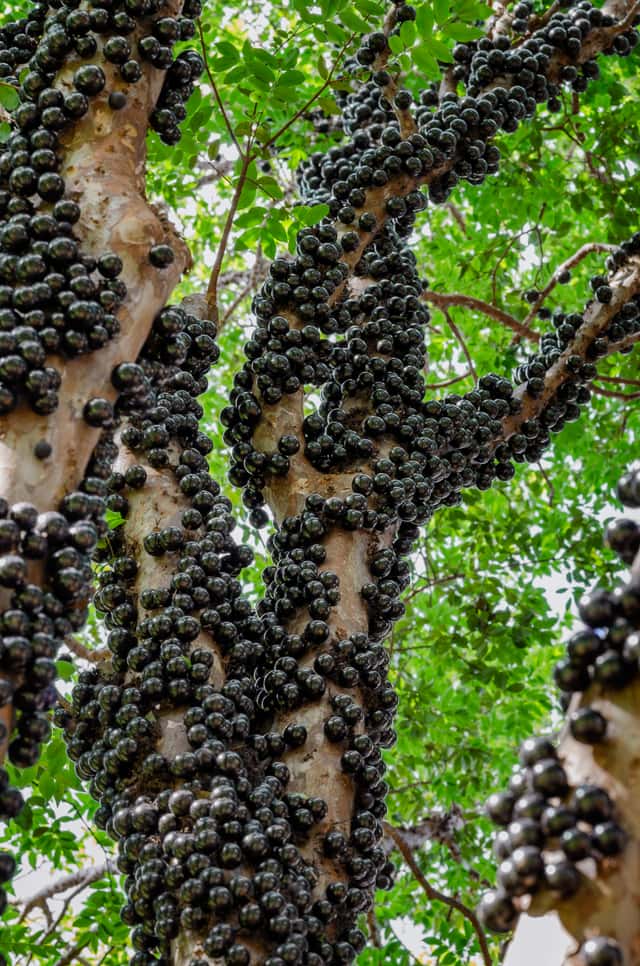
Jabuticaba tree (Plinia cauliflora) is a medium-care plant from the Myrtaceae family. The Jabuticaba tree is an iconic Brazilian fruit tree, native to the Atlantic Forest. Its most striking characteristic is cauliflory, where white flowers and dark purple, globose fruits grow directly on the trunk and branches. The pulp is white, succulent, and sweet. It has a slow growth rate, with...
Jabuticaba tree grows up to 10.0m, with spread of 500cm, watering every 7 days, 10°C – 32°C, 65–85% humidity. It is suitable for indoor environments and safe for pets.
Unlike many popular species, Jabuticaba tree is safe to keep around pets. Without adequate drainage, root rot can develop within 14 days.
How to Care for Jabuticaba tree?
TLDR: Jabuticaba tree needs Bright indirect, watering every 7 days, and temperatures between 10-32°C with 65-85% humidity.
How Often Should You Water Jabuticaba tree?
The Jabuticaba tree is a water-loving plant. Never let the soil dry out completely; on intensely hot days, water in the morning and afternoon.
How Much Light Does Jabuticaba tree Need?
For abundant fruit production, the plant should receive full sun. In pots, position it in the sunniest spot available.
What Is the Best Soil for Jabuticaba tree?
Prefer soils rich in organic matter with a slightly acidic pH (5.5 to 6.5). Avoid excessively compacted soils.
What Pot Should You Use for Jabuticaba tree?
Large ceramic or polyethylene pots with excellent moisture retention capacity and drainage holes.
Care Schedule
Fertilize
Every 90 days
Misting
Every 3 days
Repot
Every 730 days
What Is Jabuticaba tree and Where Does It Come From?
The Jabuticaba tree is an iconic Brazilian fruit tree, native to the Atlantic Forest. Its most striking characteristic is cauliflory, where white flowers and dark purple, globose fruits grow directly on the trunk and branches. The pulp is white, succulent, and sweet. It has a slow growth rate, with bark that peels off periodically, revealing lighter tones underneath.
How to Propagate Jabuticaba tree?
Seed Propagation
- Fresh seeds have a much higher germination rate.
- 1 Extraction
Remove seeds from ripe fruits and clean all pulp under running water.
- 2 Immediate Planting
Sow immediately, as seeds quickly lose viability (they are recalcitrant).
- 3 Moisture
Keep the substrate constantly moist and in a shaded location until germination.
Materials needed:
Air Layering
- This method produces trees that fruit much faster than those grown from seed.
- 1 Girdling
Remove a ring of bark, about 2cm wide, from a healthy branch.
- 2 Hormone Application
Apply rooting powder to the peeled area to stimulate growth.
- 3 Wrapping
Cover the area with moist sphagnum moss and wrap tightly with black plastic film.
Materials needed:
How Big Does Jabuticaba tree Grow?
TLDR: Jabuticaba tree can reach up to 10.0m tall with Slow growth rate.
Max height
10.0m
Spread
5.0m
Growth rate
Slow
Foliage
Evergreen
Plant Uses
Edible
Can be consumed
Ornamental
Great for decoration
Medicinal
Medicinal properties
Medicinal Uses
- Antioxidant action
- Aid in treating throat inflammations
- Diarrhea control (using the bark)
Culinary Uses
- Fresh consumption
- Jams and preserves
- Liqueurs and wines
- Sauces for meats
- Ice creams
Is your plant showing symptoms?
Click on the symptom to discover possible causes:
What Diseases Commonly Affect Jabuticaba tree?
TLDR: Jabuticaba tree is susceptible to 12 known diseases. Monitor regularly for early detection.
Root Rot
Root rot is a serious fungal disease that affects the root system of plants, causing them to decay and die. It is primarily caused by overwatering, poor drainage, or soil-borne fungi such as Pythium, Phytophthora, Rhizoctonia, and Fusarium. The disease thrives in waterlogged conditions where roots are deprived of oxygen, making them susceptible to fungal infection.
Phytophthora Root Rot
Disease caused by fungus-like organisms (oomycetes) that live in soil and can survive for years. It affects roots, stem, and crown of plants, being especially severe in waterlogged or poorly drained soils. It is the second most common cause of root rot in trees and shrubs.
Overwatering
Overwatering occurs when plants receive too much water, depriving roots of oxygen and causing root rot. This environmental stress is one of the most common causes of houseplant death, as waterlogged soil prevents roots from breathing and functioning properly.
Anthracnose
Anthracnose is a fungal disease caused by fungi in the genus Colletotrichum that affects many plants, including vegetables, fruits, and trees. The disease thrives in cool, wet conditions, causing dark, sunken lesions on leaves, stems, flowers, and fruits.
Meaning & Symbolism
It symbolizes abundance, patience, and Brazilian hospitality.
Compare with similar plants
| Attribute | Difficulty | Light | Watering | Pet Safe |
|---|---|---|---|---|
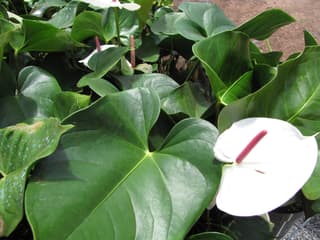
| Flamingo Flower | Medium | Partial shade | 5d | ⚠️ |
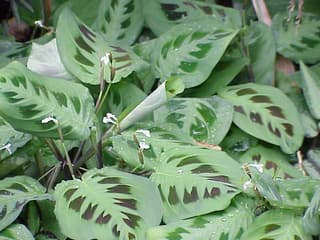
| Prayer Plant | Medium | Partial shade | 3d | ✓ |
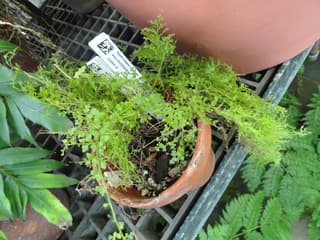
| Boston Fern | Medium | Partial shade | 3d | ✓ |
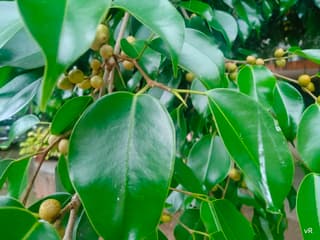
| Weeping Fig | Medium | Partial shade | 10d | ⚠️ |