Oleaceae
Arabian Jasmine (Jasminum sambac): Complete Care Guide
Jasminum sambac
A medium-growing plant that requires ample direct sunlight to bloom well. Water moderately, allowing the top layer of soil to dry between waterings. Maintain high humidity and temperatures above 15°C (59°F). Fertilize every 30 days during the growing season and prune lightly after flowering to encourage new blooms.
Every 7 days
Bright indirect
15° - 35°C
50% - 80%
Categories
What is Arabian Jasmine?
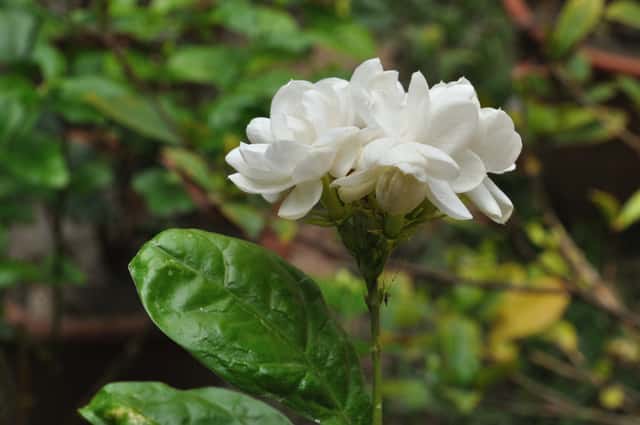
Arabian Jasmine (Jasminum sambac) is a medium-care plant from the Oleaceae family. Arabian Jasmine (Jasminum sambac) is a tropical, evergreen climbing shrub native to South and Southeast Asia, particularly India. Celebrated for its intensely fragrant white flowers that bloom in the evening, it is one of the most culturally significant plants in Asia. It serves as the national flow...
Arabian Jasmine grows up to 3.0m, with spread of 200cm, watering every 7 days, 15°C – 35°C, 50–80% humidity. It is suitable for indoor environments and safe for pets.
Unlike many popular species, Arabian Jasmine is safe to keep around pets. Without adequate drainage, root rot can develop within 14 days.
How to Care for Arabian Jasmine?
TLDR: Arabian Jasmine needs Bright indirect, watering every 7 days, and temperatures between 15-35°C with 50-80% humidity.
How Often Should You Water Arabian Jasmine?
Water every 7 days on average, or when the top third of the soil is dry. Arabian Jasmine is moderately sensitive to overwatering — soggy soil can quickly lead to root rot. Reduce watering frequency in cooler months.
How Much Light Does Arabian Jasmine Need?
Place in a location with at least 6 hours of direct sunlight per day. Without sufficient light, the plant will produce lush foliage but very few flowers. Indoors, position near the sunniest window, ideally south- or east-facing.
What Is the Best Soil for Arabian Jasmine?
Use a well-draining potting mix — a blend of garden soil, coarse sand, and perlite works well. Ideal soil pH is between 6.0 and 7.5. Always ensure pots have drainage holes to prevent waterlogging.
What Pot Should You Use for Arabian Jasmine?
Terracotta or ceramic pots are ideal as they allow better root breathability and reduce the risk of overwatering. Choose pots at least 25-30 cm in diameter to accommodate the plant's root system and moderate spread.
Care Schedule
Fertilize
Every 30 days
Misting
Every 3 days
Rotate
Every 14 days
Repot
Every 365 days
What Is Arabian Jasmine and Where Does It Come From?
Arabian Jasmine (Jasminum sambac) is a tropical, evergreen climbing shrub native to South and Southeast Asia, particularly India. Celebrated for its intensely fragrant white flowers that bloom in the evening, it is one of the most culturally significant plants in Asia. It serves as the national flower of the Philippines (sampaguita) and one of Indonesia's three national flowers (melati putih). Widely grown as an ornamental, it is also treasured for jasmine tea production, perfumery, and traditional medicine.
How to Propagate Arabian Jasmine?
Stem Cutting
Use clean, sterilized pruning shears. Keep the substrate lightly moist without waterlogging. Covering the pot with a transparent plastic bag creates a greenhouse effect that speeds up rooting.
- 1 Take a healthy stem cutting 10-15 cm long with 2-3 nodes.
- 2 Remove lower leaves, keeping only 2-3 leaves at the top.
- 3 Dip the base in rooting hormone powder.
- 4 Plant in a moist, well-draining substrate (sand and perlite mix).
- 5 Keep in a warm location (25-30°C) with indirect light and high humidity.
- 6 Transplant after 3-4 weeks once roots are well established.
Materials needed:
How Big Does Arabian Jasmine Grow?
TLDR: Arabian Jasmine can reach up to 3.0m tall with Medium growth rate.
Max height
3.0m
Spread
2.0m
Growth rate
Medium
Foliage
Evergreen
Plant Uses
Ornamental
Great for decoration
Aromatic
Pleasant fragrance
Medicinal
Medicinal properties
Medicinal Uses
- Flowers used in traditional Asian medicine to treat headaches, fever, and skin inflammation
- Flower extracts have antioxidant and anti-inflammatory properties, used topically for acne and skin conditions
- In Ayurvedic medicine, used as a cooling herb and for treating eye disorders
Culinary Uses
- Flowers used to scent jasmine tea, one of the most popular teas in China and Southeast Asia
- Edible petals used to garnish desserts, cocktails, and rice dishes in Asian cuisines
Is your plant showing symptoms?
Click on the symptom to discover possible causes:
What Diseases Commonly Affect Arabian Jasmine?
TLDR: Arabian Jasmine is susceptible to 11 known diseases. Monitor regularly for early detection.
Root Rot
Root rot is a serious fungal disease that affects the root system of plants, causing them to decay and die. It is primarily caused by overwatering, poor drainage, or soil-borne fungi such as Pythium, Phytophthora, Rhizoctonia, and Fusarium. The disease thrives in waterlogged conditions where roots are deprived of oxygen, making them susceptible to fungal infection.
Powdery Mildew
Powdery mildew is a common fungal disease caused by various fungi species including Erysiphe, Podosphaera, Oïdium, and Leveillula. It affects over 10,000 plant species worldwide. The disease thrives in warm, dry climates with high humidity and appears as a distinctive white powdery coating on plant surfaces.
Aphids
Aphids are small, soft-bodied, pear-shaped insects (1/16 to 1/8 inch long) that feed by sucking nutrient-rich sap from plants. They reproduce rapidly and can quickly weaken plants, causing distorted growth and transmitting plant viruses. Aphids come in various colors including green, black, red, yellow, brown, and gray. They secrete honeydew, a sticky substance that attracts ants and encourages sooty mold growth.
Mealybugs
Mealybugs are small, soft-bodied insects covered with a white, waxy, cottony material. They are common pests of houseplants and outdoor plants in mild climates. These sap-sucking insects feed on plant tissue, causing damage, stunted growth, and can lead to plant death if left untreated. They produce sticky honeydew which attracts sooty mold.
Meaning & Symbolism
A powerful symbol of purity, love, and devotion across Asia. In the Philippines, sampaguita garlands are offered to religious icons and honored guests. In Indonesia, melati putih represents the purity of the soul and is used in traditional wedding ceremonies. In India, it is associated with love and is woven into hair garlands for brides.
Fun Facts
Arabian Jasmine flowers open only at dusk and close by morning, lasting just 12-20 hours each bloom
It is the national flower of the Philippines, known as sampaguita, and is woven into garlands for religious and ceremonial offerings
The scent of Jasminum sambac is one of the key ingredients in iconic perfumes including Chanel No. 5
In China, the flowers have been used for centuries to scent green tea, giving birth to the globally beloved jasmine tea
Frequently asked questions
How often should I water Arabian Jasmine?
Does Arabian Jasmine need direct sunlight?
Is Arabian Jasmine toxic to pets?
When does Arabian Jasmine bloom?
How do I propagate Arabian Jasmine?
Compare with similar plants
| Attribute | Difficulty | Light | Watering | Pet Safe |
|---|---|---|---|---|
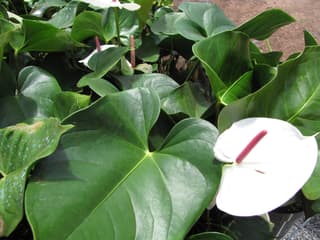
| Flamingo Flower | Medium | Partial shade | 5d | ⚠️ |
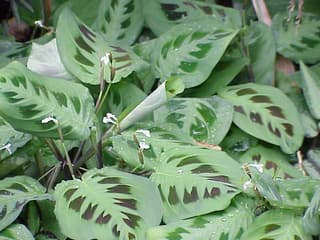
| Prayer Plant | Medium | Partial shade | 3d | ✓ |
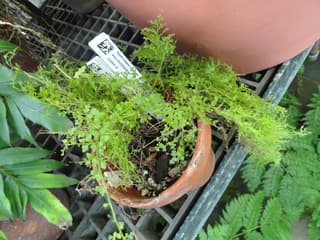
| Boston Fern | Medium | Partial shade | 3d | ✓ |
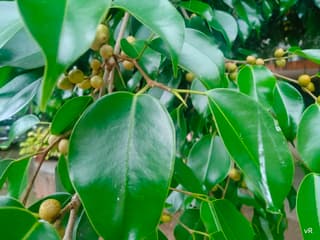
| Weeping Fig | Medium | Partial shade | 10d | ⚠️ |