Hydnangiaceae
Deceiver: Edible Plant
Laccaria laccata
As a fungus, the Deceiver cannot be cared for like a normal plant; it requires a specific symbiosis with living tree roots and a consistently moist, cool environment.
Every 2 days
Low light
5° - 22°C
70% - 95%
Categories
What is Deceiver?
Deceiver (Laccaria laccata) is a hard-care plant from the Hydnangiaceae family. The Deceiver (Laccaria laccata) is an extremely variable mushroom commonly found in various forest types. The name 'Deceiver' refers to the fact that this species can look different every time depending on the moisture level (hygrophanous), which often leads to it being confused with other small bro...
Deceiver grows up to 10cm, spread of 6cm, watering every 2 days, 5°C – 22°C, 70–95% humidity. It is not suitable for indoor environments and safe for pets.
Unlike easy-care plants, Deceiver demands constant attention to humidity and light. Not recommended for beginners. Unlike many popular species, Deceiver is safe to keep around pets.
How to Care for Deceiver?
TLDR: Deceiver needs Low light, watering every 2 days, and temperatures between 5-22°C with 70-95% humidity.
How Often Should You Water Deceiver?
In a natural setting, high humidity and regular rainfall are crucial for the formation of fruiting bodies.
How Much Light Does Deceiver Need?
Grows best in the shady, moist environment of the forest understory.
What Is the Best Soil for Deceiver?
Grows in acidic to neutral soils, rich in organic matter and leaf litter.
What Pot Should You Use for Deceiver?
Not suitable for pot culture due to the requirement for a host tree.
Care Schedule
Misting
Every 1 days
What Is Deceiver and Where Does It Come From?
The Deceiver (Laccaria laccata) is an extremely variable mushroom commonly found in various forest types. The name 'Deceiver' refers to the fact that this species can look different every time depending on the moisture level (hygrophanous), which often leads to it being confused with other small brown mushrooms. It forms an essential mycorrhizal symbiosis with the roots of both deciduous and coniferous trees, aiding in nutrient uptake for the tree.
How to Propagate Deceiver?
Spore dispersal
- Success is highly dependent on the presence of the correct tree species.
- Use fresh spores for the best results.
- 1 Making a spore print
Place a mature cap on a piece of paper to collect the white spores.
- 2 Inoculation
Spread the spores near the roots of young host trees such as oaks or pines.
- 3 Maintaining humidity
Ensure the soil remains covered with natural litter and is constantly moist.
Materials needed:
How Big Does Deceiver Grow?
TLDR: Deceiver can reach up to 10cm tall with Fast growth rate.
Max height
10cm
Spread
6cm
Growth rate
Fast
Plant Uses
Edible
Can be consumed
Culinary Uses
- The caps are edible but have little flavor.
- Often used as a filler mushroom in dishes.
- The stems are usually too tough for consumption.
Is your plant showing symptoms?
Click on the symptom to discover possible causes:
Meaning & Symbolism
Symbolizes the hidden connections in nature and deception due to its changeable appearance.
Compare with similar plants
| Attribute | Difficulty | Light | Watering | Pet Safe |
|---|---|---|---|---|
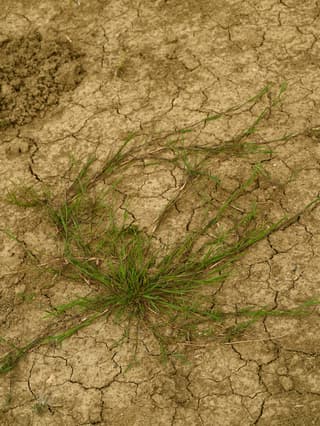
| Creeping bentgrass | Hard | Direct sun | 3d | ✓ |
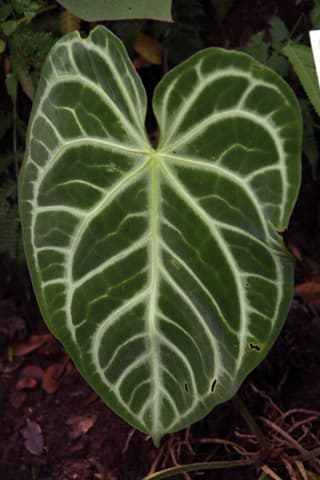
| Crystal Anthurium | Hard | Partial shade | 7d | ⚠️ |
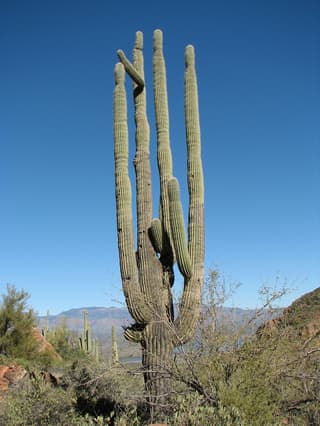
| Saguaro | Hard | Direct sun | 21d | ✓ |
| Delicate violet orchid | Hard | Bright indirect | 2d | ✓ |