Bignoniaceae
Pink Trumpet Tree: Growing Tabebuia impetiginosa
Tabebuia impetiginosa
The Pink Trumpet Tree thrives in full sun with well-drained soil. It is drought-tolerant once established but needs regular watering in its first two years. It prefers warm tropical and subtropical climates (USDA zones 9b–11b). Fertilize once or twice a year in spring. Pruning is rarely needed; only remove dead or crossing branches.
Every 14 days
Direct sun
5° - 35°C
40% - 70%
Categories
What is Pink Trumpet Tree?
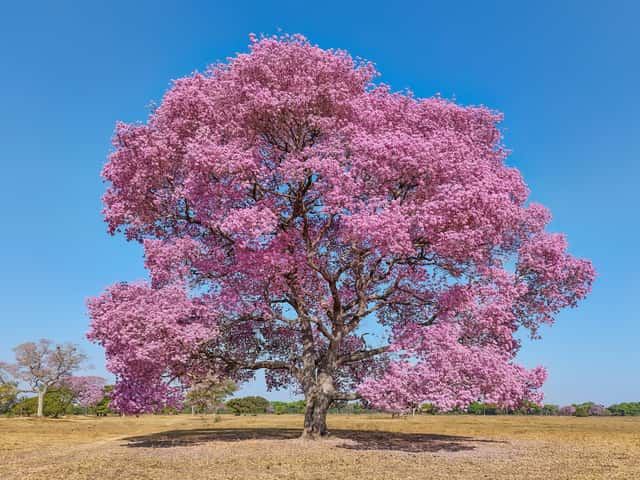
Pink Trumpet Tree (Tabebuia impetiginosa) is a medium-care plant from the Bignoniaceae family. Tabebuia impetiginosa, commonly known as the Pink Trumpet Tree or Pau d'Arco, is one of South America's most spectacular flowering trees. Native to the tropical and subtropical forests of Brazil and neighboring countries, it produces breathtaking displays of purple to pink trumpet-shaped flowers in...
Pink Trumpet Tree grows up to 30.0m, with spread of 1000cm, watering every 14 days, 5°C – 35°C, 40–70% humidity. It is not suitable for indoor environments and safe for pets.
Unlike many popular species, Pink Trumpet Tree is safe to keep around pets.
How to Care for Pink Trumpet Tree?
TLDR: Pink Trumpet Tree needs Direct sun, watering every 14 days, and temperatures between 5-35°C with 40-70% humidity.
How Often Should You Water Pink Trumpet Tree?
Water regularly during the first 1-2 years to establish a strong root system (every 7-14 days). Once established, this tree is highly drought-tolerant — water only during prolonged dry spells. Avoid waterlogging as it can cause root rot.
How Much Light Does Pink Trumpet Tree Need?
Full sun is essential — at least 6-8 hours of direct sunlight per day. The tree will produce significantly fewer flowers in partial shade. Plant in an open area away from buildings or taller trees that may cast shade.
What Is the Best Soil for Pink Trumpet Tree?
Plant in well-drained soil rich in organic matter. Tolerates a range of soil types including clay, loam, and sandy soils, as long as drainage is adequate. Amend planting hole with compost. Avoid waterlogged or compacted soils.
What Pot Should You Use for Pink Trumpet Tree?
Not suitable for containers due to its large size. Plant directly in the ground with ample space. For young seedlings, use a large nursery pot (at least 30 liters) until transplanting to the final location.
Care Schedule
Fertilize
Every 60 days
What Is Pink Trumpet Tree and Where Does It Come From?
Tabebuia impetiginosa, commonly known as the Pink Trumpet Tree or Pau d'Arco, is one of South America's most spectacular flowering trees. Native to the tropical and subtropical forests of Brazil and neighboring countries, it produces breathtaking displays of purple to pink trumpet-shaped flowers in late winter and early spring, typically when the tree is leafless. A member of the Bignoniaceae family, it can reach up to 30 meters tall in the wild and is widely planted as an ornamental street and garden tree in warm climates worldwide.
How to Propagate Pink Trumpet Tree?
Seed Propagation
Use fresh seeds as viability drops quickly. Protect seedlings from intense sun in early weeks.
- 1 Collect fresh seeds from mature pods
- 2 Sow seeds 2-3 cm deep in light, moist potting mix
- 3 Keep in a bright, warm location and water gently
- 4 Transplant to final location after 4-6 months when seedling reaches 30-60 cm
Materials needed:
Stem Cutting
Seed propagation is more reliable. Use rooting hormone to improve success rate with cuttings.
- 1 Take a semi-hardwood cutting of 20-30 cm with 2-3 nodes
- 2 Remove lower leaves and apply rooting hormone to the base
- 3 Insert into well-drained moist substrate
- 4 Keep in semi-shade and mist daily
Materials needed:
How Big Does Pink Trumpet Tree Grow?
TLDR: Pink Trumpet Tree can reach up to 30.0m tall with Medium growth rate.
Max height
30.0m
Spread
10.0m
Growth rate
Medium
Foliage
Deciduous
Plant Uses
Ornamental
Great for decoration
Medicinal
Medicinal properties
Medicinal Uses
- The bark of Pau d'Arco has been used traditionally for its antifungal, anti-inflammatory, and antitumor properties. It contains naphthoquinones, including lapachol, which have demonstrated antimicrobial activity in scientific studies.
Is your plant showing symptoms?
Click on the symptom to discover possible causes:
What Diseases Commonly Affect Pink Trumpet Tree?
TLDR: Pink Trumpet Tree is susceptible to 8 known diseases. Monitor regularly for early detection.
Anthracnose
Anthracnose is a fungal disease caused by fungi in the genus Colletotrichum that affects many plants, including vegetables, fruits, and trees. The disease thrives in cool, wet conditions, causing dark, sunken lesions on leaves, stems, flowers, and fruits.
Root Rot
Root rot is a serious fungal disease that affects the root system of plants, causing them to decay and die. It is primarily caused by overwatering, poor drainage, or soil-borne fungi such as Pythium, Phytophthora, Rhizoctonia, and Fusarium. The disease thrives in waterlogged conditions where roots are deprived of oxygen, making them susceptible to fungal infection.
Leaf Spot
Leaf spot is a common fungal disease caused by various pathogens including Alternaria, Ascochyta, Colletotrichum, Septoria, and Venturia. It primarily affects leaves, causing discolored spots that can lead to premature leaf drop if left untreated.
Mealybugs
Mealybugs are small, soft-bodied insects covered with a white, waxy, cottony material. They are common pests of houseplants and outdoor plants in mild climates. These sap-sucking insects feed on plant tissue, causing damage, stunted growth, and can lead to plant death if left untreated. They produce sticky honeydew which attracts sooty mold.
Meaning & Symbolism
In Brazilian culture, the Pink Trumpet Tree symbolizes the arrival of spring, renewal, and national pride. It is one of the iconic trees of the Brazilian landscape.
Fun Facts
Tabebuia impetiginosa can reach up to 30 meters tall in its native Brazilian forests
The spectacular flower display occurs when the tree is completely leafless, making the colors even more vivid
Ipe wood is one of the hardest and most durable woods in the world, used for decking and musical instrument bows
Pau d'Arco bark has been used for centuries in traditional South American medicine for its antifungal properties
Frequently asked questions
When does the Pink Trumpet Tree flower?
How fast does the Pink Trumpet Tree grow?
How often should I water a Pink Trumpet Tree?
Can I grow Pink Trumpet Tree in a pot?
Is the Pink Trumpet Tree toxic to pets?
Compare with similar plants
| Attribute | Difficulty | Light | Watering | Pet Safe |
|---|---|---|---|---|
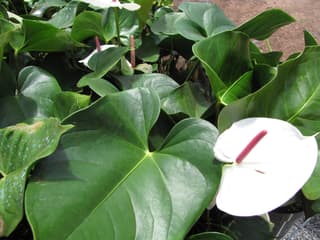
| Flamingo Flower | Medium | Partial shade | 5d | ⚠️ |
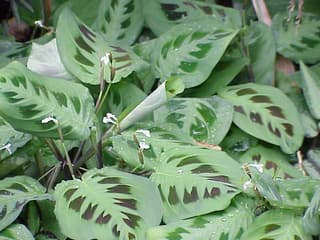
| Prayer Plant | Medium | Partial shade | 3d | ✓ |
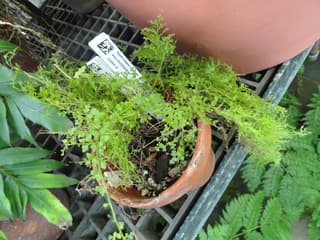
| Boston Fern | Medium | Partial shade | 3d | ✓ |
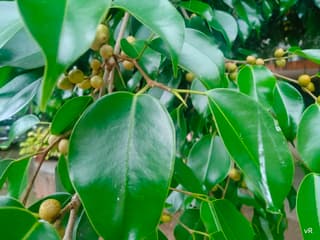
| Weeping Fig | Medium | Partial shade | 10d | ⚠️ |