Rutaceae
Bitter Orange: Complete Growing and Care Guide
Citrus aurantium
Bitter Orange thrives in full sun with at least 6–8 hours of direct sunlight daily, well-draining fertile soil, and regular watering that allows the topsoil to dry between sessions. It is best suited to USDA zones 9–11 but can be grown in containers in cooler climates. Fertilize monthly during spring and summer with a high-potassium citrus fertilizer. Prune lightly each year to maintain shape and airflow.
Every 7 days
Direct sun
2° - 38°C
40% - 70%
Categories
What is Bitter Orange?
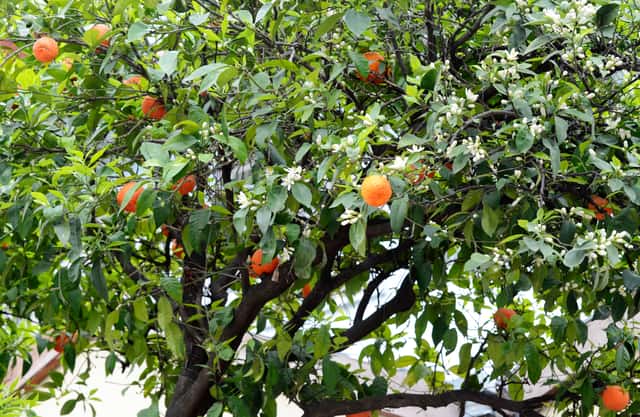
Bitter Orange (Citrus aurantium) is a medium-care plant from the Rutaceae family. Citrus aurantium, commonly known as Bitter Orange or Seville Orange, is an evergreen citrus tree native to Southeast Asia and widely naturalized across the Mediterranean, Middle East, and South America. It produces glossy dark-green foliage, intensely fragrant white blossoms, and round orange fruits...
Bitter Orange grows up to 6.0m, spread of 400cm, watering every 7 days, 2°C – 38°C, 40–70% humidity. It is suitable for indoor environments and not safe for pets.
Without precautions, ingestion can cause irritation in pets. Keep out of reach of cats and dogs. Without adequate drainage, root rot can develop within 14 days.
How to Care for Bitter Orange?
TLDR: Bitter Orange needs Direct sun, watering every 7 days, and temperatures between 2-38°C with 40-70% humidity.
How Often Should You Water Bitter Orange?
Water Bitter Orange when the top 1–2 cm of soil feels dry, typically every 7 days in summer and every 10–14 days in winter. Always water at the base, avoiding wetting the foliage. Ensure pots have drainage holes — standing water causes root rot. Reduce watering slightly in winter to encourage spring flowering.
How Much Light Does Bitter Orange Need?
Provide full sun: at least 6 hours of direct sunlight daily. Outdoors, choose the sunniest spot in your garden. Indoors, place near a south- or west-facing window. Insufficient light leads to poor flowering, reduced fruit set, and increased pest susceptibility. Supplemental grow lights can help in winter.
What Is the Best Soil for Bitter Orange?
Use a well-draining, loamy-sandy soil mix enriched with organic matter. Ideal pH range is 5.5–7.0. Avoid heavy clay soils that retain moisture. Add a slow-release citrus fertilizer to the planting hole. For containers, use a quality citrus potting mix with added perlite for drainage.
What Pot Should You Use for Bitter Orange?
For container growing, choose terracotta or ceramic pots with drainage holes, minimum 50 liters capacity. Terracotta regulates moisture naturally and prevents root overheating. Repot every 2 years into a slightly larger container, refreshing the potting mix.
Care Schedule
Fertilize
Every 30 days
Rotate
Every 30 days
Repot
Every 730 days
What Is Bitter Orange and Where Does It Come From?
Citrus aurantium, commonly known as Bitter Orange or Seville Orange, is an evergreen citrus tree native to Southeast Asia and widely naturalized across the Mediterranean, Middle East, and South America. It produces glossy dark-green foliage, intensely fragrant white blossoms, and round orange fruits that are too acidic for fresh consumption but prized for their culinary, medicinal, and aromatic applications. The peel yields neroli essential oil from the flowers and petit grain oil from leaves and twigs — both cornerstones of classical perfumery. As one of the most economically versatile citrus species, Bitter Orange underpins the production of liqueurs, marmalades, dietary supplements, and fine fragrances worldwide.
How to Propagate Bitter Orange?
Seed Propagation
Fresh seeds germinate far better than dried ones. Use sterile potting mix to prevent damping-off fungal disease.
- 1 Extract seeds from a ripe fruit and rinse thoroughly to remove pulp residue.
- 2 Sow immediately — citrus seeds lose viability quickly when dried.
- 3 Plant 1 cm deep in a moist, well-draining seed-starting mix.
- 4 Keep at 22–28°C in a warm spot with indirect light.
- 5 Maintain consistent moisture (not waterlogged) until germination in 2–4 weeks.
- 6 Transplant seedlings to individual pots once they reach 10 cm tall.
Materials needed:
Grafting
Grafting is the commercial standard as it ensures true-to-type fruit and accelerates production by several years. Use sharp, sanitized tools to reduce infection risk.
- 1 Select a vigorous rootstock (Citrus volkameriana or Poncirus trifoliata recommended).
- 2 Cut a healthy scion with 2–3 buds from the desired variety.
- 3 Make clean bevel cuts on both rootstock and scion, aligning the cambium layers.
- 4 Wrap tightly with grafting tape and keep in a shaded, humid environment.
- 5 Remove tape after 4–6 weeks once the graft has taken; gradually increase sun exposure.
Materials needed:
How Big Does Bitter Orange Grow?
TLDR: Bitter Orange can reach up to 6.0m tall with Medium growth rate.
Max height
6.0m
Spread
4.0m
Growth rate
Medium
Foliage
Evergreen
Warning: Toxic Plant
This plant can be toxic if ingested. Keep out of reach of:
Plant Uses
Ornamental
Great for decoration
Edible
Can be consumed
Medicinal
Medicinal properties
Aromatic
Pleasant fragrance
Medicinal Uses
- Bitter Orange peel and extract are rich in synephrine, an alkaloid with thermogenic and lipolytic properties widely used in weight management supplements as a safer alternative to ephedrine.
- Neroli essential oil, steam-distilled from the blossoms, has well-documented anxiolytic, sedative, and anti-inflammatory properties. Widely used in aromatherapy to reduce anxiety and promote sleep.
- Dried bitter orange peel (bigarade) is used in traditional European and Ayurvedic medicine as a digestive aid, appetite stimulant, and remedy for dyspepsia and nausea.
- In Traditional Chinese Medicine, the dried unripe fruit (Zhi Shi) is used to regulate Qi, relieve chest tightness, and support digestive health.
Culinary Uses
- Bitter Orange peel is the key ingredient in classic British marmalade, prized for its unique balance of bitterness and bright citrus flavor that sweet oranges cannot replicate.
- Used in the production of iconic liqueurs including Cointreau, Grand Marnier, and Curaçao, where the dried peel provides the distinctive aromatic citrus character.
- The fragrant blossoms are used to make orange flower water (Agua de Azahar), a traditional flavoring in Mediterranean pastries, rice puddings, and beverages.
- Candied bitter orange peel is a classic confection in French and Spanish patisserie. The juice can substitute lemon in marinades, vinaigrettes, and cocktails.
Is your plant showing symptoms?
Click on the symptom to discover possible causes:
What Diseases Commonly Affect Bitter Orange?
TLDR: Bitter Orange is susceptible to 15 known diseases. Monitor regularly for early detection.
Root Rot
Root rot is a serious fungal disease that affects the root system of plants, causing them to decay and die. It is primarily caused by overwatering, poor drainage, or soil-borne fungi such as Pythium, Phytophthora, Rhizoctonia, and Fusarium. The disease thrives in waterlogged conditions where roots are deprived of oxygen, making them susceptible to fungal infection.
Phytophthora Root Rot
Disease caused by fungus-like organisms (oomycetes) that live in soil and can survive for years. It affects roots, stem, and crown of plants, being especially severe in waterlogged or poorly drained soils. It is the second most common cause of root rot in trees and shrubs.
Canker
Canker is a disease caused by various fungi and bacteria that create necrotic, sunken areas on bark of branches, stems, and trunks. Pathogens enter through wounds and natural openings, especially when plants are stressed. Canker can gradually weaken or kill branches by disrupting water and nutrient flow.
Bacterial Canker
Serious bacterial disease affecting stone fruits and tomatoes caused by Pseudomonas syringae or Clavibacter michiganensis. Creates sunken lesions that ooze sap.
Meaning & Symbolism
In Mediterranean and Middle Eastern traditions, orange blossoms symbolize purity, eternal love, and fertility. They have been woven into bridal bouquets, crowns, and trousseau for centuries. In many cultures, the bitter orange tree represents resilience and abundance — thriving even in poor, arid soils where few other fruit trees survive.
Fun Facts
Neroli oil, extracted from Bitter Orange blossoms, has been a cornerstone of fine perfumery since the 17th century and was a key ingredient in the original Eau de Cologne formulation.
Bitter Orange is the world's most widely used citrus rootstock — its disease resistance, vigor, and adaptability make it the foundation upon which millions of sweet orange, lemon, and grapefruit trees are grown.
The entire city of Seville, Spain, is famously lined with Bitter Orange trees. Each January their fruit is harvested exclusively for export to British marmalade producers.
In Traditional Chinese Medicine, Zhi Shi (dried unripe Bitter Orange fruit) has been used for over 2,000 years as a digestive regulator — making it one of the longest-documented herbal medicines in history.
Frequently asked questions
How often should I water a Bitter Orange tree?
Can Bitter Orange grow indoors?
Is Bitter Orange toxic to pets?
When does Bitter Orange bloom?
What is the difference between Bitter Orange and Sweet Orange?
Compare with similar plants
| Attribute | Difficulty | Light | Watering | Pet Safe |
|---|---|---|---|---|
| Dark Fieldcap | Medium | Low light | 2d | ⚠️ |
| Azalea | Medium | Partial shade | 3d | ⚠️ |
| Bougainvillea | Medium | Direct sun | 7d | ⚠️ |
| Wild Lettuce | Medium | Direct sun | 7d | ⚠️ |



