Rutaceae
Bitter Orange (Citrus × aurantium): Complete Growing Guide
Citrus × aurantium
An outdoor tree requiring full sun and moderate watering. Tolerates short dry spells but performs best with regular irrigation. Well-drained, slightly acidic to neutral soils are ideal. Hardy to 0°C with some protection.
Every 10 days
Direct sun
0° - 38°C
40% - 70%
Categories
What is Bitter Orange?
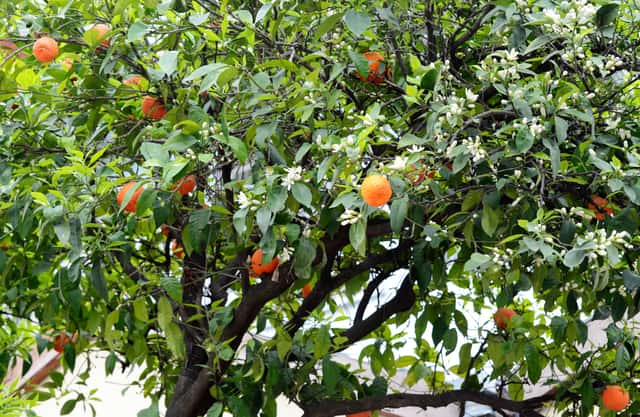
Bitter Orange (Citrus × aurantium) is a medium-care plant from the Rutaceae family. Bitter Orange (Citrus × aurantium) is an evergreen citrus tree originating from a natural hybrid between C. maxima and C. reticulata. Cultivated for centuries across the Mediterranean and Asia, it produces intensely fragrant white flowers and aromatic but bitter fruits. It is widely used in perfumer...
Bitter Orange grows up to 6.0m, spread of 450cm, watering every 10 days, 0°C – 38°C, 40–70% humidity. It is not suitable for indoor environments and not safe for pets.
Without precautions, ingestion can cause irritation in pets. Keep out of reach of cats and dogs.
How to Care for Bitter Orange?
TLDR: Bitter Orange needs Direct sun, watering every 10 days, and temperatures between 0-38°C with 40-70% humidity.
How Often Should You Water Bitter Orange?
Water deeply every 7-10 days during summer, allowing the soil surface to dry slightly between sessions. Reduce to every 14 days in winter. Never leave the roots in waterlogged soil as this causes root rot rapidly.
How Much Light Does Bitter Orange Need?
Requires full sun with at least 6-8 hours of direct sunlight daily. More light means more abundant flowering and fruiting. Not suitable for indoor growing without intense artificial lighting.
What Is the Best Soil for Bitter Orange?
Prefers loamy, well-draining soil rich in organic matter, pH 5.5-7.5. In clay soils, incorporate coarse sand and compost to improve drainage. Apply mulch around the base to retain moisture without waterlogging the crown.
What Pot Should You Use for Bitter Orange?
Terracotta or clay pot with large drainage holes. In cold climates, use containers that allow the plant to be moved indoors during winter. Minimum 60 cm diameter for an adult specimen.
Care Schedule
Fertilize
Every 90 days
What Is Bitter Orange and Where Does It Come From?
Bitter Orange (Citrus × aurantium) is an evergreen citrus tree originating from a natural hybrid between C. maxima and C. reticulata. Cultivated for centuries across the Mediterranean and Asia, it produces intensely fragrant white flowers and aromatic but bitter fruits. It is widely used in perfumery (neroli oil), liqueur production, traditional medicine, and as an ornamental tree in subtropical gardens.
How to Propagate Bitter Orange?
Grafting
Grafting ensures greater uniformity and resistance to soil-borne diseases. Use sterilized tools and avoid grafting on cold or rainy days.
- 1 Select a healthy, compatible rootstock (e.g. trifoliate orange)
- 2 Make a T-cut or cleft cut on the rootstock
- 3 Insert the bud or scion of the desired cultivar
- 4 Secure with grafting tape and cover with parafilm
- 5 Keep in a sheltered, humid location until budding occurs
Materials needed:
Seed
Seed-grown plants may not reproduce the parent traits and take longer to fruit (5-8 years). Mainly recommended for rootstock production.
- 1 Extract seeds from ripe fruits and wash thoroughly
- 2 Soak in warm water for 12-24 hours
- 3 Plant 1 cm deep in moist, well-draining germination mix
- 4 Maintain temperature between 25-30°C and keep soil lightly moist
- 5 Transplant to permanent location after 6-12 months
Materials needed:
How Big Does Bitter Orange Grow?
TLDR: Bitter Orange can reach up to 6.0m tall with Medium growth rate.
Max height
6.0m
Spread
4.5m
Growth rate
Medium
Foliage
Evergreen
Warning: Toxic Plant
This plant can be toxic if ingested. Keep out of reach of:
Plant Uses
Ornamental
Great for decoration
Edible
Can be consumed
Medicinal
Medicinal properties
Aromatic
Pleasant fragrance
Medicinal Uses
- Bark used in traditional medicine as a digestive stimulant and thermogenic agent
- Synephrine (p-synephrine) extract used in weight management supplements
- Neroli essential oil (from flowers) with anxiolytic and antidepressant properties
- Leaf and bark tea used for mild anxiety and insomnia
Culinary Uses
- Bitter rind used for marmalades and preserves (classic Seville marmalade)
- Flavoring agent for liqueurs such as Curaçao, Grand Marnier, and Cointreau
- Dried zest used to aromatize wines, craft beers, and spirits
- Juice occasionally used in marinades and duck sauces
Is your plant showing symptoms?
Click on the symptom to discover possible causes:
What Diseases Commonly Affect Bitter Orange?
TLDR: Bitter Orange is susceptible to 13 known diseases. Monitor regularly for early detection.
Root Rot
Root rot is a serious fungal disease that affects the root system of plants, causing them to decay and die. It is primarily caused by overwatering, poor drainage, or soil-borne fungi such as Pythium, Phytophthora, Rhizoctonia, and Fusarium. The disease thrives in waterlogged conditions where roots are deprived of oxygen, making them susceptible to fungal infection.
Phytophthora Root Rot
Disease caused by fungus-like organisms (oomycetes) that live in soil and can survive for years. It affects roots, stem, and crown of plants, being especially severe in waterlogged or poorly drained soils. It is the second most common cause of root rot in trees and shrubs.
Anthracnose
Anthracnose is a fungal disease caused by fungi in the genus Colletotrichum that affects many plants, including vegetables, fruits, and trees. The disease thrives in cool, wet conditions, causing dark, sunken lesions on leaves, stems, flowers, and fruits.
Sooty Mold
Sooty mold is a fungal disease that develops on surfaces coated with honeydew, a sticky sweet substance secreted by sap-sucking insects like aphids, scale insects, and whiteflies. While it does not directly infect plant tissue, it reduces photosynthetic capacity by blocking sunlight and diminishes the plant's aesthetic appearance.
Meaning & Symbolism
In Mediterranean tradition, bitter orange blossoms symbolize purity, fertility, and good fortune in marriage. The flowers are classic wedding ornaments and bridal bouquet elements across Southern Europe and the Middle East.
Fun Facts
The essential oil extracted from the flowers (neroli) was introduced to Europe in the 17th century by Princess Anne Marie Orsini of Nérola, who used it to scent her gloves.
It is the most widely used rootstock worldwide for grafting other citrus varieties, prized for its resistance to soil-borne diseases and salinity.
The bitter rind of the Seville orange is the secret ingredient of authentic British marmalade, produced for over 300 years.
Citrus aurantium rarely produces viable seeds and is propagated almost exclusively by grafting.
Frequently asked questions
How often should I water a bitter orange tree?
Is bitter orange toxic to pets?
Can I grow bitter orange in a container?
When does bitter orange bloom?
What are the most common diseases of bitter orange?
Compare with similar plants
| Attribute | Difficulty | Light | Watering | Pet Safe |
|---|---|---|---|---|
| Dark Fieldcap | Medium | Low light | 2d | ⚠️ |
| Azalea | Medium | Partial shade | 3d | ⚠️ |
| Bougainvillea | Medium | Direct sun | 7d | ⚠️ |
| Wild Lettuce | Medium | Direct sun | 7d | ⚠️ |



