Aizoaceae
Living Stones (Lithops sp): The Complete Care Guide
Lithops sp
Living Stones require minimal care: 4-5 hours of direct sunlight daily, sparse watering every 14 days during active growth, and sandy well-draining soil. Never water during summer or winter dormancy periods, and avoid wetting the leaves directly. These are among the most drought-tolerant plants in the world.
Every 14 days
Direct sun
5° - 35°C
30% - 40%
Categories
What is Living Stones?
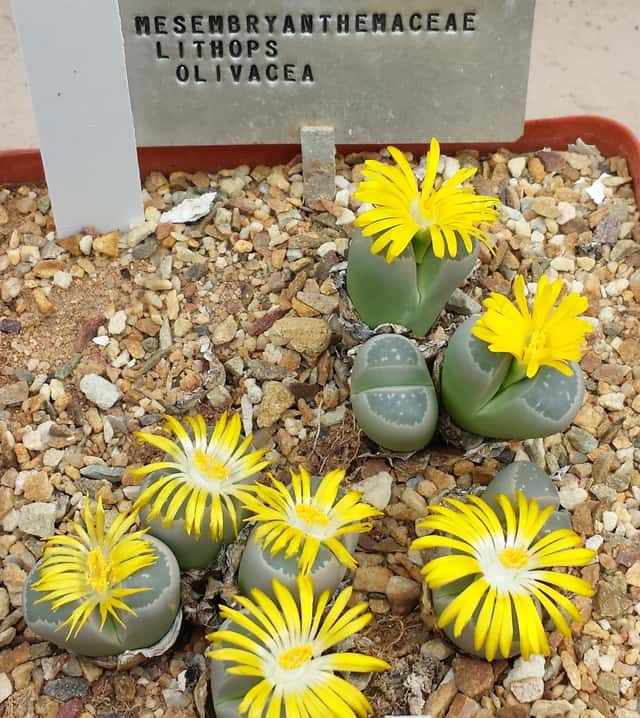
Living Stones (Lithops sp) is a medium-care plant from the Aizoaceae family. Living Stones (Lithops sp) are fascinating succulents native to southern Africa, renowned for their extraordinary ability to mimic pebbles and rocks in their desert habitat. Belonging to the family Aizoaceae, these miniature marvels evolved thick, fleshy leaf pairs that store water, enabling surviva...
Living Stones grows up to 5cm, with spread of 10cm, watering every 14 days, 5°C – 35°C, 30–40% humidity. It is suitable for indoor environments and safe for pets.
Unlike many popular species, Living Stones is safe to keep around pets. Without adequate drainage, root rot can develop within 28 days.
How to Care for Living Stones?
TLDR: Living Stones needs Direct sun, watering every 14 days, and temperatures between 5-35°C with 30-40% humidity.
How Often Should You Water Living Stones?
Water every 14 days during active growth periods (spring and autumn). Completely stop watering during summer and winter dormancy. Always allow the soil to dry completely between waterings. Bottom-watering is recommended to prevent rot. Never water when the plant is shedding old leaves.
How Much Light Does Living Stones Need?
Provide 4-5 hours of direct sunlight daily, ideally in a south or east-facing window. Avoid intense afternoon sun during very hot days to prevent sunburn. Indoors, a very sunny windowsill is essential — insufficient light causes etiolation and loss of compact form.
What Is the Best Soil for Living Stones?
Use sandy, fast-draining cactus mix with extra perlite or coarse sand (2:1 ratio). Ideal pH is 5.5-6.5. Never use regular potting soil or moisture-retaining substrates, as these will cause root rot.
What Pot Should You Use for Living Stones?
Small shallow terracotta pot with drainage hole. Terracotta helps wick away excess moisture from the substrate, which is essential to prevent rot. Avoid deep pots or those without drainage.
Care Schedule
Repot
Every 730 days
What Is Living Stones and Where Does It Come From?
Living Stones (Lithops sp) are fascinating succulents native to southern Africa, renowned for their extraordinary ability to mimic pebbles and rocks in their desert habitat. Belonging to the family Aizoaceae, these miniature marvels evolved thick, fleshy leaf pairs that store water, enabling survival in extreme arid conditions. Standing just 3-5 cm tall, they produce stunning daisy-like flowers in yellow, white, or orange during autumn and winter.
How to Propagate Living Stones?
Seed Propagation
Use fresh seeds for best results. Maintain temperature above 20°C during germination.
- 1 Sow seeds in moist sandy substrate during summer
- 2 Cover with a thin layer of fine sand
- 3 Keep substrate lightly moist until germination
- 4 Place in a warm, sunny location
- 5 Transplant seedlings when they are 6 months old
Materials needed:
Clump Division
Divide only when the plant has at least 2-3 well-formed heads. Do not water for 1 week after division.
- 1 Wait until the plant has developed multiple heads
- 2 Carefully remove plant from pot
- 3 Separate heads with a clean sharp knife
- 4 Allow cut surfaces to dry for 2-3 days
- 5 Plant in dry sandy substrate
Materials needed:
How Big Does Living Stones Grow?
TLDR: Living Stones can reach up to 5cm tall with Slow growth rate.
Max height
5cm
Spread
10cm
Growth rate
Slow
Foliage
Evergreen
Plant Uses
Ornamental
Great for decoration
Is your plant showing symptoms?
Click on the symptom to discover possible causes:
What Diseases Commonly Affect Living Stones?
TLDR: Living Stones is susceptible to 7 known diseases. Monitor regularly for early detection.
Root Rot
Root rot is a serious fungal disease that affects the root system of plants, causing them to decay and die. It is primarily caused by overwatering, poor drainage, or soil-borne fungi such as Pythium, Phytophthora, Rhizoctonia, and Fusarium. The disease thrives in waterlogged conditions where roots are deprived of oxygen, making them susceptible to fungal infection.
Overwatering
Overwatering occurs when plants receive too much water, depriving roots of oxygen and causing root rot. This environmental stress is one of the most common causes of houseplant death, as waterlogged soil prevents roots from breathing and functioning properly.
Mealybugs
Mealybugs are small, soft-bodied insects covered with a white, waxy, cottony material. They are common pests of houseplants and outdoor plants in mild climates. These sap-sucking insects feed on plant tissue, causing damage, stunted growth, and can lead to plant death if left untreated. They produce sticky honeydew which attracts sooty mold.
Fungus Gnats
Fungus gnats are small, gray-to-black mosquito-like insects (1/8 to 1/10 inches long) commonly found in indoor plants. Adult gnats are mostly a nuisance, but their larvae feed on plant roots and organic matter in soil, potentially causing serious damage to young or vulnerable plants. The larvae are translucent white with distinctive black heads and can leave slime trails on the soil surface in heavy infestations.
Meaning & Symbolism
Living Stones symbolize adaptation, resilience, and the art of camouflage — thriving where few plants can survive.
Fun Facts
Lithops can live for decades with proper care — some specimens in private collections are over 50 years old
The name Lithops comes from Greek: lithos (stone) + ops (face), literally meaning "stone face"
Living Stones camouflage is so perfect that desert herbivores in Africa rarely eat them, mistaking them for actual pebbles
Living Stones replace their leaves annually — new leaves grow by absorbing water from the old, outer leaves
Frequently asked questions
How often should I water Living Stones?
Are Living Stones toxic to pets?
Why are my Living Stones mushy?
Can Living Stones grow indoors?
When do Living Stones flower?
Compare with similar plants
| Attribute | Difficulty | Light | Watering | Pet Safe |
|---|---|---|---|---|
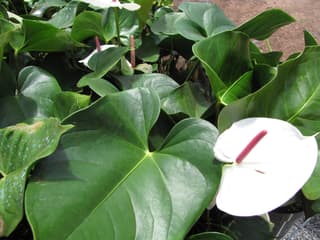
| Flamingo Flower | Medium | Partial shade | 5d | ⚠️ |
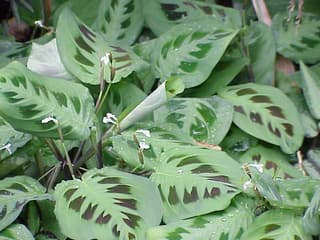
| Prayer Plant | Medium | Partial shade | 3d | ✓ |
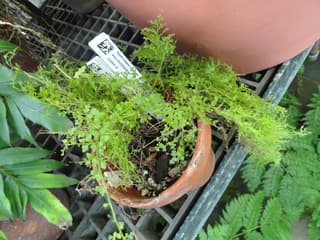
| Boston Fern | Medium | Partial shade | 3d | ✓ |
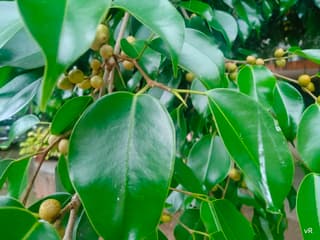
| Weeping Fig | Medium | Partial shade | 10d | ⚠️ |