Boraginaceae
Lithospermum (Stoneseed / Gromwell): Plant Care Guide
Lithospermum
Grow in full sun to partial sun with well-draining, slightly sandy soil. Water deeply but infrequently — every 10 days or more. Drought-tolerant once established. Fertilize lightly in spring. Light pruning after flowering helps maintain shape. Hardy in USDA zones 4-9.
Every 10 days
Bright indirect
-20° - 35°C
30% - 60%
Categories
What is Stoneseed / Gromwell (genus)?
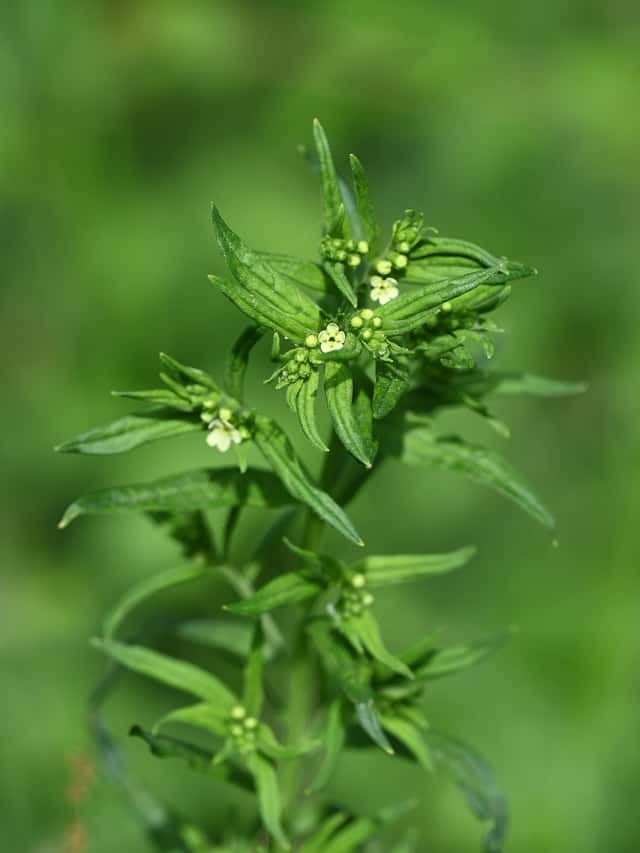
Stoneseed / Gromwell (genus) (Lithospermum) is a medium-care plant from the Boraginaceae family. Lithospermum is a genus of drought-tolerant herbaceous perennials in the Boraginaceae family, widely distributed across temperate regions of North America, Europe, and Asia. The genus name derives from the Greek lithos (stone) and sperma (seed), referring to the characteristically hard, polished nut...
Stoneseed / Gromwell (genus) grows up to 60cm, spread of 45cm, watering every 10 days, -20°C – 35°C, 30–60% humidity. It is not suitable for indoor environments and not safe for pets.
Without precautions, ingestion can cause irritation in pets. Keep out of reach of cats and dogs.
How to Care for Stoneseed / Gromwell (genus)?
TLDR: Stoneseed / Gromwell (genus) needs Bright indirect, watering every 10 days, and temperatures between -20-35°C with 30-60% humidity.
How Often Should You Water Stoneseed / Gromwell (genus)?
Water every 10 days on average; allow soil to dry completely between waterings. Overwatering is the primary cause of decline — these plants are far more drought-tolerant than moisture-tolerant.
How Much Light Does Stoneseed / Gromwell (genus) Need?
Full sun is ideal (6+ hours of direct light daily). Partial sun is tolerated, especially in hot-summer climates. Insufficient light reduces flowering and causes leggy growth.
What Is the Best Soil for Stoneseed / Gromwell (genus)?
Use well-draining, loamy to sandy soil with a pH of 6.0–7.5. Avoid heavy clay soils that retain moisture. Raised beds or rocky slopes are ideal planting sites.
What Pot Should You Use for Stoneseed / Gromwell (genus)?
Terracotta or clay pots with generous drainage holes. For gardens, plant directly in raised beds or rocky slopes for best drainage.
Care Schedule
Fertilize
Every 90 days
What Is Stoneseed / Gromwell (genus) and Where Does It Come From?
Lithospermum is a genus of drought-tolerant herbaceous perennials in the Boraginaceae family, widely distributed across temperate regions of North America, Europe, and Asia. The genus name derives from the Greek lithos (stone) and sperma (seed), referring to the characteristically hard, polished nutlets. Plants typically grow in dry prairies, open woodlands, and rocky slopes, thriving with minimal water input.
How to Propagate Stoneseed / Gromwell (genus)?
Seed Sowing
Cold stratification mimics natural winter conditions and significantly improves germination rates. Use fresh seeds for best results.
- 1 Collect mature nutlets in autumn
- 2 Cold-stratify seeds for 4-6 weeks in the refrigerator
- 3 Sow shallowly in sandy, moist seed mix
- 4 Keep in a bright location at 60-68°F until germination
Materials needed:
Crown Division
Divide only plants that are 3+ years old. Keep soil moist during initial establishment.
- 1 Dig up the mature plant in early spring
- 2 Divide the root clump into sections with shoots and roots
- 3 Replant immediately in the desired location
- 4 Water well and provide partial shade for 1 week
Materials needed:
How Big Does Stoneseed / Gromwell (genus) Grow?
TLDR: Stoneseed / Gromwell (genus) can reach up to 60cm tall with Slow growth rate.
Max height
60cm
Spread
45cm
Growth rate
Slow
Foliage
Deciduous
Warning: Toxic Plant
This plant can be toxic if ingested. Keep out of reach of:
Plant Uses
Ornamental
Great for decoration
Medicinal
Medicinal properties
Medicinal Uses
- Roots of L. erythrorhizon (murasaki) used in traditional Japanese and Chinese medicine as anti-inflammatory and antiviral agents
- Shikonin extracts studied for antimicrobial properties
Is your plant showing symptoms?
Click on the symptom to discover possible causes:
What Diseases Commonly Affect Stoneseed / Gromwell (genus)?
TLDR: Stoneseed / Gromwell (genus) is susceptible to 4 known diseases. Monitor regularly for early detection.
Powdery Mildew
Powdery mildew is a common fungal disease caused by various fungi species including Erysiphe, Podosphaera, Oïdium, and Leveillula. It affects over 10,000 plant species worldwide. The disease thrives in warm, dry climates with high humidity and appears as a distinctive white powdery coating on plant surfaces.
Root Rot
Root rot is a serious fungal disease that affects the root system of plants, causing them to decay and die. It is primarily caused by overwatering, poor drainage, or soil-borne fungi such as Pythium, Phytophthora, Rhizoctonia, and Fusarium. The disease thrives in waterlogged conditions where roots are deprived of oxygen, making them susceptible to fungal infection.
Aphids
Aphids are small, soft-bodied, pear-shaped insects (1/16 to 1/8 inch long) that feed by sucking nutrient-rich sap from plants. They reproduce rapidly and can quickly weaken plants, causing distorted growth and transmitting plant viruses. Aphids come in various colors including green, black, red, yellow, brown, and gray. They secrete honeydew, a sticky substance that attracts ants and encourages sooty mold growth.
Leaf Spot
Leaf spot is a common fungal disease caused by various pathogens including Alternaria, Ascochyta, Colletotrichum, Septoria, and Venturia. It primarily affects leaves, causing discolored spots that can lead to premature leaf drop if left untreated.
Meaning & Symbolism
Represents resilience and quiet endurance — the stone-hard seeds persist through harsh winters and dry conditions, symbolizing survival and adaptation in adversity.
Fun Facts
The name Lithospermum comes from Greek: lithos (stone) + sperma (seed) — a direct reference to its hard, polished nutlets
Roots of Lithospermum erythrorhizon produce shikonin, a purple-red pigment used in cosmetics and fabric dyeing for centuries in Japan and China
Some Lithospermum species were used by Native American peoples as natural contraceptives
Lithospermum ruderale (Western Stoneseed) can live for decades in rocky prairies with minimal rainfall
Frequently asked questions
How often should I water Lithospermum?
Is Lithospermum toxic to pets?
What is the best sun exposure for Lithospermum?
Can Lithospermum be grown in containers?
Compare with similar plants
| Attribute | Difficulty | Light | Watering | Pet Safe |
|---|---|---|---|---|
| Dark Fieldcap | Medium | Low light | 2d | ⚠️ |
| Azalea | Medium | Partial shade | 3d | ⚠️ |
| Bougainvillea | Medium | Direct sun | 7d | ⚠️ |
| Wild Lettuce | Medium | Direct sun | 7d | ⚠️ |



