Gentianaceae
Lisianthus: Pet-Safe Plant
Eustoma russellianum
Lisianthus requires moderate care, preferring very bright locations, well-drained soil, and careful watering to prevent root rot.
Every 7 days
Bright indirect
15° - 24°C
40% - 70%
Categories
What is Lisianthus?
Lisianthus (Eustoma russellianum) is a hard-care plant from the Gentianaceae family. Eustoma russellianum, commonly known as Lisianthus, is an herbaceous plant famous for its elegant flowers that resemble roses or tulips. Native to the prairies of the United States and Mexico, this species is highly valued in floriculture as a cut flower due to its sophisticated beauty and long vase...
Lisianthus grows up to 90cm, spread of 30cm, watering every 7 days, 15°C – 24°C, 40–70% humidity. It is suitable for indoor environments and safe for pets.
Unlike easy-care plants, Lisianthus demands constant attention to humidity and light. Not recommended for beginners. Unlike many popular species, Lisianthus is safe to keep around pets. Without adequate drainage, root rot can develop within 14 days.
How to Care for Lisianthus?
TLDR: Lisianthus needs Bright indirect, watering every 7 days, and temperatures between 15-24°C with 40-70% humidity.
How Often Should You Water Lisianthus?
Water at the base of the plant. Avoid wetting the leaves and flowers, as they are prone to fungi if they remain damp.
How Much Light Does Lisianthus Need?
Requires bright, indirect light. A few hours of direct morning sun help with blooming, but avoid harsh midday sun.
What Is the Best Soil for Lisianthus?
Prefer soil rich in organic matter with excellent drainage. The ideal pH is slightly neutral to alkaline (6.5 to 7.2).
What Pot Should You Use for Lisianthus?
Ceramic or terracotta pots with good drainage to prevent moisture buildup at the bottom.
Care Schedule
Fertilize
Every 14 days
Rotate
Every 30 days
Repot
Every 365 days
What Is Lisianthus and Where Does It Come From?
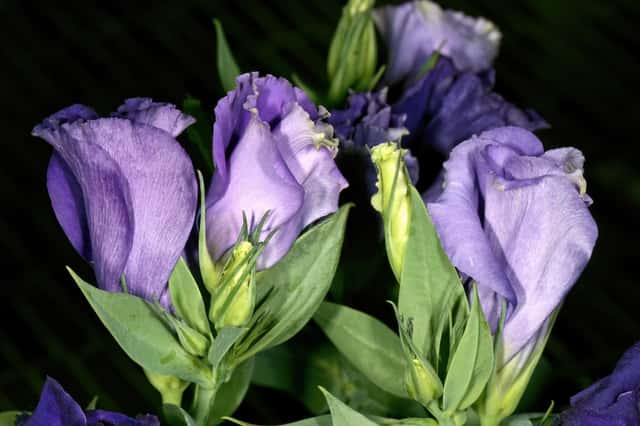
Eustoma russellianum, commonly known as Lisianthus, is an herbaceous plant famous for its elegant flowers that resemble roses or tulips. Native to the prairies of the United States and Mexico, this species is highly valued in floriculture as a cut flower due to its sophisticated beauty and long vase life. Its petals have a satiny texture, and colors range from soft pastels to deep purples.
How to Propagate Lisianthus?
Sowing
- Use pelleted seeds for easier handling
- Germination requires patience and strict temperature control
- 1 Substrate Preparation
Use a very fine and slightly alkaline seed-starting substrate.
- 2 Surface Sowing
The seeds are tiny and need light to germinate; do not cover them with soil.
- 3 Moisture Maintenance
Cover with clear plastic and maintain the temperature around 68-72°F (20-22°C).
Materials needed:
Stem Cuttings
- Keep humidity high around the cutting
- Avoid drafts
- 1 Taking the Cutting
Cut a healthy, non-flowering stem about 4 inches (10cm) long.
- 2 Rooting Hormone
Apply rooting hormone to the base to increase the chances of success.
- 3 Planting
Insert into a moist substrate and keep in a bright, protected location.
Materials needed:
How Big Does Lisianthus Grow?
TLDR: Lisianthus can reach up to 90cm tall with Medium growth rate.
Max height
90cm
Spread
30cm
Growth rate
Medium
Foliage
Deciduous
Plant Uses
Ornamental
Great for decoration
Is your plant showing symptoms?
Click on the symptom to discover possible causes:
What Diseases Commonly Affect Lisianthus?
TLDR: Lisianthus is susceptible to 15 known diseases. Monitor regularly for early detection.
Gray Mold (Botrytis Blight)
Gray mold, caused by the fungus Botrytis cinerea, is one of the most common fungal diseases in plants. It affects over 200 plant species, including ornamentals, vegetables, fruits, and houseplants. The disease thrives in cool, humid conditions with poor air circulation, causing grayish spots and soft rot on infected tissues.
Cercospora Leaf Spot
Cercospora leaf spot is a common fungal disease caused by Cercospora species that affects many plant types, particularly beets, roses, and leafy vegetables. The disease thrives in warm, humid conditions and can cause significant defoliation, reducing plant vigor and yield. It spreads rapidly through water splash, wind, and contaminated tools.
Downy Mildew
Downy mildew is a fungal-like disease caused by oomycetes (water molds) that thrives in cool, wet conditions. It affects a wide range of plants, causing yellowing leaves with fuzzy white-gray growth underneath, leading to defoliation and reduced yields if left untreated.
Fusarium Wilt
Fusarium wilt is a serious fungal disease caused by the soil-borne fungus Fusarium oxysporum. The fungus invades roots and blocks the water-conducting vessels (xylem) of the plant, causing progressive wilting and eventual death. Host-specific forms of the pathogen exist that attack different plant species.
Meaning & Symbolism
Represents appreciation, gratitude, charisma, and a romantic spirit.
Compare with similar plants
| Attribute | Difficulty | Light | Watering | Pet Safe |
|---|---|---|---|---|
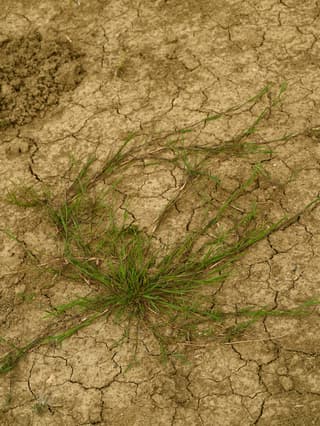
| Creeping bentgrass | Hard | Direct sun | 3d | ✓ |
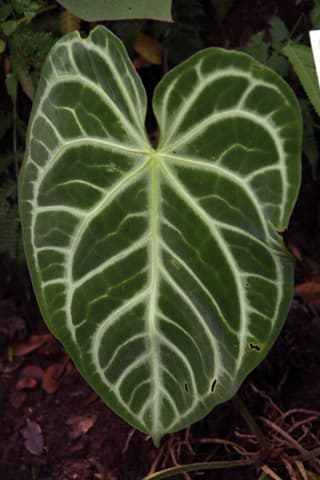
| Crystal Anthurium | Hard | Partial shade | 7d | ⚠️ |
| Saguaro | Hard | Direct sun | 21d | ✓ |
| Deceiver | Hard | Low light | 2d | ✓ |