Malpighiaceae
Golden Chain Tree (Lophantera lactescens): The Amazon's Cascading Gold
Lophantera lactescens
The Golden Chain Tree thrives in full sun with fertile, well-draining soil. Water regularly during establishment; once mature, it tolerates moderate drought. Fertilize every 3 months during the growing season and prune annually to maintain shape and encourage flowering.
Every 14 days
Direct sun
18° - 41°C
60% - 90%
Categories
What is Golden Chain Tree?
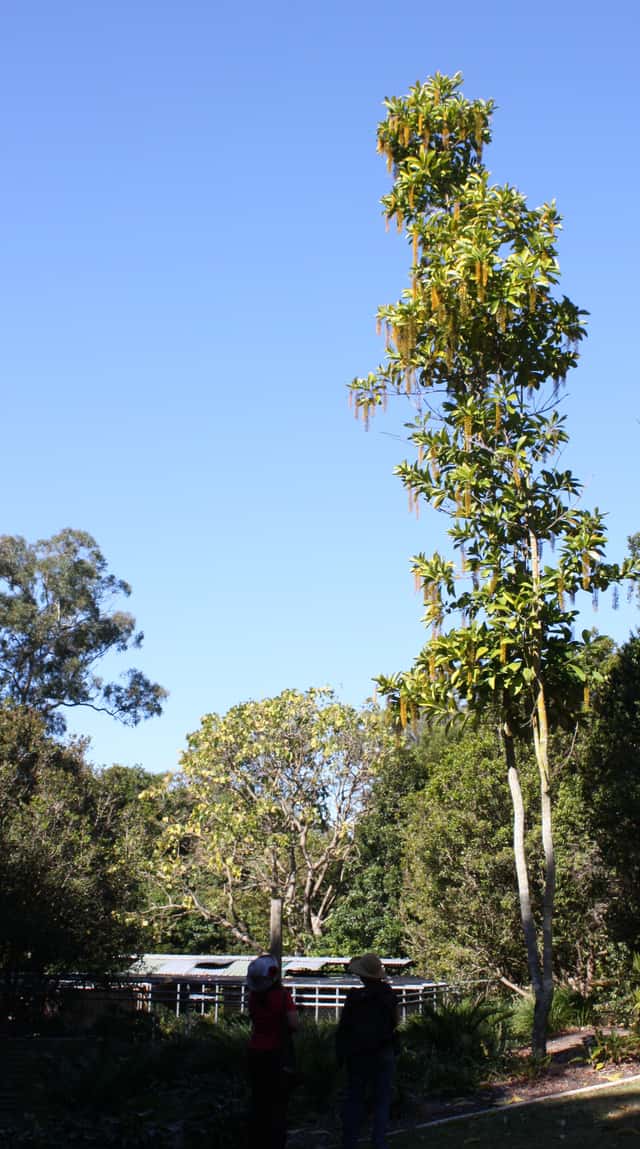
Golden Chain Tree (Lophantera lactescens) is a medium-care plant from the Malpighiaceae family. The Golden Chain Tree (Lophantera lactescens) is a stunning ornamental tree native to the Brazilian Amazon rainforest, belonging to the family Malpighiaceae. It is renowned for its spectacular long, pendulous inflorescences of bright yellow flowers that cascade downward like golden chains. Growing 1...
Golden Chain Tree grows up to 20.0m, with spread of 450cm, watering every 14 days, 18°C – 41°C, 60–90% humidity. It is not suitable for indoor environments and not safe for pets.
Without precautions, ingestion can cause irritation in pets. Keep out of reach of cats and dogs.
How to Care for Golden Chain Tree?
TLDR: Golden Chain Tree needs Direct sun, watering every 14 days, and temperatures between 18-41°C with 60-90% humidity.
How Often Should You Water Golden Chain Tree?
Water every 10 to 14 days, keeping the soil slightly moist but never waterlogged. Once established, the tree tolerates dry spells well. Avoid standing water around the base of the trunk to prevent root rot.
How Much Light Does Golden Chain Tree Need?
The Golden Chain Tree requires full sun — at least 6 to 8 hours of direct sunlight daily — for prolific flowering. In partial shade, growth is slower and blooming may be significantly reduced.
What Is the Best Soil for Golden Chain Tree?
Plant in fertile, moist, organically rich soil with good drainage. A pH range of 5.5 to 7.0 is ideal. Incorporate compost or well-rotted organic matter at planting time to promote healthy establishment.
What Pot Should You Use for Golden Chain Tree?
Large terracotta or fiberglass containers for young specimens. Due to its large size at maturity, it is best suited for permanent planting in the ground.
Care Schedule
Fertilize
Every 90 days
What Is Golden Chain Tree and Where Does It Come From?
The Golden Chain Tree (Lophantera lactescens) is a stunning ornamental tree native to the Brazilian Amazon rainforest, belonging to the family Malpighiaceae. It is renowned for its spectacular long, pendulous inflorescences of bright yellow flowers that cascade downward like golden chains. Growing 10–20 metres tall with a dense pyramidal canopy, it is widely planted as a street tree and landscape specimen across tropical regions worldwide.
How to Propagate Golden Chain Tree?
Seed Propagation
Use only fresh seeds as viability does not exceed 4 months. Keep the growing medium moist but not soggy during germination.
- 1 Collect fresh, ripe seeds as viability drops quickly after harvest
- 2 Break seed dormancy by soaking in water for 12–24 hours or in dilute sulfuric acid solution for up to 20 minutes
- 3 Sow individually in containers with well-draining growing medium
- 4 Keep in partial shade until germination occurs (30–50 days)
- 5 Transplant to final location after approximately 7 months
Materials needed:
How Big Does Golden Chain Tree Grow?
TLDR: Golden Chain Tree can reach up to 20.0m tall with Medium growth rate.
Max height
20.0m
Spread
4.5m
Growth rate
Medium
Foliage
Semi-evergreen
Warning: Toxic Plant
This plant can be toxic if ingested. Keep out of reach of:
Plant Uses
Ornamental
Great for decoration
Is your plant showing symptoms?
Click on the symptom to discover possible causes:
What Diseases Commonly Affect Golden Chain Tree?
TLDR: Golden Chain Tree is susceptible to 6 known diseases. Monitor regularly for early detection.
Aphids
Aphids are small, soft-bodied, pear-shaped insects (1/16 to 1/8 inch long) that feed by sucking nutrient-rich sap from plants. They reproduce rapidly and can quickly weaken plants, causing distorted growth and transmitting plant viruses. Aphids come in various colors including green, black, red, yellow, brown, and gray. They secrete honeydew, a sticky substance that attracts ants and encourages sooty mold growth.
Caterpillars
Caterpillars are the larval stage of moths and butterflies that feed voraciously on plant foliage, stems, flowers, and fruits. Common species include cabbage loopers, tomato hornworms, armyworms, and cutworms. These pests can cause extensive damage by consuming large amounts of plant tissue in a short time. They vary in size from small (1/4 inch) to large (5 inches), with colors ranging from green to brown, often featuring stripes or spots. Caterpillars are highly mobile and can quickly spread throughout gardens, making them one of the most destructive common pests.
Scale Insects
Scale insects are small sap-sucking pests that appear as brown, shell-like bumps on plant stems and leaves. There are over 25 species, divided into armored (hard) and unarmored (soft) scales. They feed by piercing plant tissue and extracting sap, which weakens the plant and can lead to yellowing, stunted growth, and even death if left untreated. They also excrete honeydew, which attracts ants and promotes sooty mold growth.
Root Rot
Root rot is a serious fungal disease that affects the root system of plants, causing them to decay and die. It is primarily caused by overwatering, poor drainage, or soil-borne fungi such as Pythium, Phytophthora, Rhizoctonia, and Fusarium. The disease thrives in waterlogged conditions where roots are deprived of oxygen, making them susceptible to fungal infection.
Meaning & Symbolism
The Golden Chain Tree symbolizes tropical exuberance and abundance. Its cascading golden flowers evoke prosperity and the natural splendor of the Amazon, making it a prized feature in tropical landscapes.
Fun Facts
It can grow 2–3 metres in just the first 2 years from seed
Its seeds lose viability within 4 months of harvest, making fresh seed essential for propagation
It is popular as a street tree because its roots are non-aggressive and do not damage pavements
The cascading yellow flowers attract bees and are highly decorative for months
Frequently asked questions
When does the Golden Chain Tree bloom?
Is the Golden Chain Tree toxic?
How fast does the Golden Chain Tree grow?
Can I grow a Golden Chain Tree in a pot?
What is the ideal spacing for planting Golden Chain Trees?
Compare with similar plants
| Attribute | Difficulty | Light | Watering | Pet Safe |
|---|---|---|---|---|
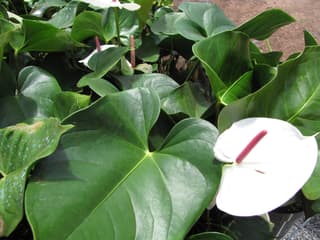
| Flamingo Flower | Medium | Partial shade | 5d | ⚠️ |
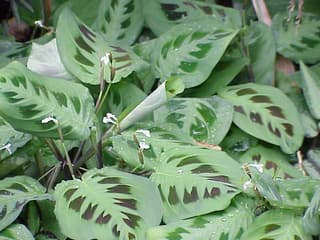
| Prayer Plant | Medium | Partial shade | 3d | ✓ |
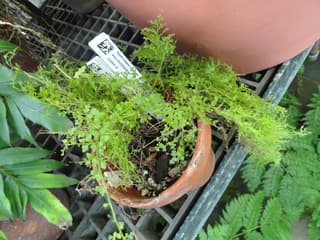
| Boston Fern | Medium | Partial shade | 3d | ✓ |
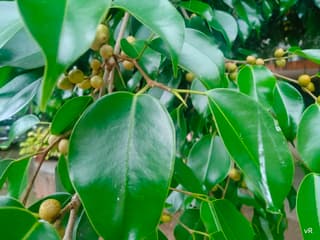
| Weeping Fig | Medium | Partial shade | 10d | ⚠️ |