Fabaceae
Lupine (Lupinus hybridus): Everything About Growing and Care
Lupinus hybridus
Lupines need full sun, moderate watering, and well-draining soil. Fertilize every 30 days during the growing season. Deadheading spent flowers encourages reblooming. Prefers cool to mild climates and does not tolerate excessive heat.
Every 5 days
Bright indirect
-7° - 29°C
40% - 70%
Categories
What is Lupine?
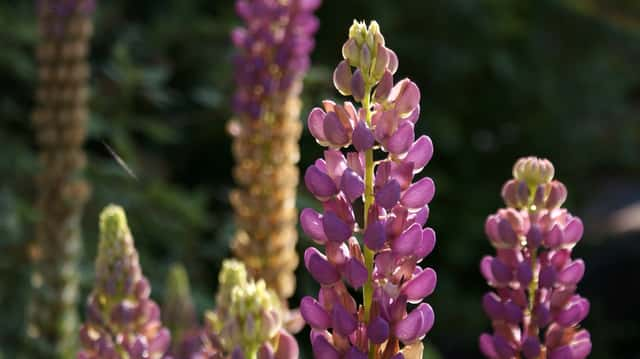
Lupine (Lupinus hybridus) is a medium-care plant from the Fabaceae family. Lupinus hybridus, commonly known as Lupine or Garden Lupine, is a herbaceous plant belonging to the Fabaceae family. It produces striking vertical flower spikes in shades of blue, purple, pink, white, and yellow, making it one of the most spectacular flowering plants in the garden. A product of hybr...
Lupine grows up to 1.5m, with spread of 60cm, watering every 5 days, -7°C – 29°C, 40–70% humidity. It is not suitable for indoor environments and not safe for pets.
Without precautions, ingestion can cause irritation in pets. Keep out of reach of cats and dogs.
How to Care for Lupine?
TLDR: Lupine needs Bright indirect, watering every 5 days, and temperatures between -7-29°C with 40-70% humidity.
How Often Should You Water Lupine?
Water lupines every 5 days on average, keeping the soil slightly moist but never waterlogged. Increase frequency in hot weather. Avoid wetting the foliage directly to prevent fungal diseases.
How Much Light Does Lupine Need?
Lupines thrive in full sun, requiring at least 6 hours of direct sunlight per day. In very hot summer regions, afternoon partial shade can help prolong flowering and prevent leaf scorch.
What Is the Best Soil for Lupine?
Prefers well-draining, slightly acidic to neutral soil (pH 6.0–7.0) rich in organic matter. Avoid compacted or clay-heavy soils. As a legume, lupine naturally fixes nitrogen in the soil, improving its fertility.
What Pot Should You Use for Lupine?
Large ceramic or concrete pots with drainage holes. Lupines have deep roots, so choose pots at least 40 cm deep.
Care Schedule
Fertilize
Every 30 days
What Is Lupine and Where Does It Come From?
Lupinus hybridus, commonly known as Lupine or Garden Lupine, is a herbaceous plant belonging to the Fabaceae family. It produces striking vertical flower spikes in shades of blue, purple, pink, white, and yellow, making it one of the most spectacular flowering plants in the garden. A product of hybridization between American and Mediterranean species, the hybrid lupine is widely prized in landscaping for its bold beauty and abundant spring and summer blooms.
How to Propagate Lupine?
Direct Seeding
Sow in autumn or early spring for best results. Use fresh seeds as they lose viability quickly.
- 1 Scarify seeds with fine sandpaper or soak in warm water for 24 hours
- 2 Sow directly in the final location as lupines do not transplant well
- 3 Cover lightly with substrate and keep moist until germination
- 4 Thin seedlings to 30–40 cm apart after emergence
Materials needed:
How Big Does Lupine Grow?
TLDR: Lupine can reach up to 1.5m tall with Medium growth rate.
Max height
1.5m
Spread
60cm
Growth rate
Medium
Foliage
Deciduous
Warning: Toxic Plant
This plant can be toxic if ingested. Keep out of reach of:
Plant Uses
Ornamental
Great for decoration
Is your plant showing symptoms?
Click on the symptom to discover possible causes:
What Diseases Commonly Affect Lupine?
TLDR: Lupine is susceptible to 10 known diseases. Monitor regularly for early detection.
Anthracnose
Anthracnose is a fungal disease caused by fungi in the genus Colletotrichum that affects many plants, including vegetables, fruits, and trees. The disease thrives in cool, wet conditions, causing dark, sunken lesions on leaves, stems, flowers, and fruits.
Powdery Mildew
Powdery mildew is a common fungal disease caused by various fungi species including Erysiphe, Podosphaera, Oïdium, and Leveillula. It affects over 10,000 plant species worldwide. The disease thrives in warm, dry climates with high humidity and appears as a distinctive white powdery coating on plant surfaces.
Downy Mildew
Downy mildew is a fungal-like disease caused by oomycetes (water molds) that thrives in cool, wet conditions. It affects a wide range of plants, causing yellowing leaves with fuzzy white-gray growth underneath, leading to defoliation and reduced yields if left untreated.
Root Rot
Root rot is a serious fungal disease that affects the root system of plants, causing them to decay and die. It is primarily caused by overwatering, poor drainage, or soil-borne fungi such as Pythium, Phytophthora, Rhizoctonia, and Fusarium. The disease thrives in waterlogged conditions where roots are deprived of oxygen, making them susceptible to fungal infection.
Meaning & Symbolism
Lupines symbolize imagination, admiration, and the exuberance of the wild. In many cultures, they represent renewal and vitality through their vigorous spring blooming.
Fun Facts
Lupine is a legume that naturally fixes nitrogen in the soil, improving fertility
Lupine flower spikes can grow over 50 cm in length
The name Lupinus comes from the Latin lupus (wolf), as people once believed the plant depleted soil
Modern hybrid lupines were developed in the 20th century by English horticulturist George Russell
Frequently asked questions
How often should I water Lupine?
Is Lupine toxic to pets?
Why is my Lupine not blooming?
Can I grow Lupine in a pot?
When and how should I prune Lupine?
Compare with similar plants
| Attribute | Difficulty | Light | Watering | Pet Safe |
|---|---|---|---|---|
| Flamingo Flower | Medium | Partial shade | 5d | ⚠️ |
| Prayer Plant | Medium | Partial shade | 3d | ✓ |
| Boston Fern | Medium | Partial shade | 3d | ✓ |
| Weeping Fig | Medium | Partial shade | 10d | ⚠️ |