Combretaceae
Rangoon Creeper (Quisqualis indica)
Quisqualis indica
Rangoon Creeper thrives in full sun with at least 6 hours of direct sunlight daily. Water regularly during the growing season, keeping soil moist but not waterlogged. Feed monthly with a balanced fertilizer. Prune after flowering to control growth and encourage new blooms. This vine is heat-loving and frost-sensitive, best suited for tropical and subtropical climates.
Every 3 days
Direct sun
10° - 38°C
60% - 80%
Categories
What is Rangoon Creeper?
Rangoon Creeper (Quisqualis indica) is a medium-care plant from the Combretaceae family. Rangoon Creeper (Quisqualis indica) is a vigorous tropical climbing vine native to Southeast Asia, celebrated for its stunning tricolor flowers that magically transform from white to pink to deep red over three days. This fast-growing liana from the family Combretaceae can reach impressive heights o...
Rangoon Creeper grows up to 8.0m, with spread of 400cm, watering every 3 days, 10°C – 38°C, 60–80% humidity. It is not suitable for indoor environments and safe for pets.
Unlike many popular species, Rangoon Creeper is safe to keep around pets.
How to Care for Rangoon Creeper?
TLDR: Rangoon Creeper needs Direct sun, watering every 3 days, and temperatures between 10-38°C with 60-80% humidity.
How Often Should You Water Rangoon Creeper?
Water every 2-4 days during warm months, keeping soil consistently moist. During winter or cooler periods, reduce watering frequency. Allow the top inch of soil to dry between waterings to avoid overwatering and root rot. Avoid overhead watering to reduce fungal disease risk.
How Much Light Does Rangoon Creeper Need?
Provide full sun — at least 6 hours of direct sunlight daily — for best flowering. In very hot climates, afternoon shade can prevent leaf scorch. The more sun it receives, the more abundant and colorful the blooms will be.
What Is the Best Soil for Rangoon Creeper?
Plant in rich, well-draining soil amended with organic compost. Avoid clay soils that retain water. A mix of loamy garden soil with perlite or coarse sand ensures excellent drainage. Refresh the top layer of soil with compost annually.
What Pot Should You Use for Rangoon Creeper?
Large terracotta or ceramic pot (minimum 40 cm diameter) with drainage holes for container growing. Prefers ground planting for best vigor; in pots, use a heavy container to anchor the plant and provide support with a trellis or stake.
Care Schedule
Fertilize
Every 30 days
What Is Rangoon Creeper and Where Does It Come From?
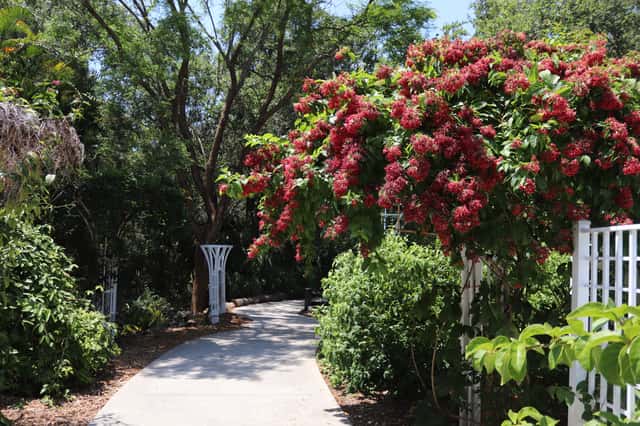
Rangoon Creeper (Quisqualis indica) is a vigorous tropical climbing vine native to Southeast Asia, celebrated for its stunning tricolor flowers that magically transform from white to pink to deep red over three days. This fast-growing liana from the family Combretaceae can reach impressive heights of 8 meters or more, making it perfect for covering trellises, pergolas, fences, and arches. Beyond its ornamental beauty, the plant holds significant medicinal value in traditional Asian medicine, where seeds, leaves, and roots have been used to treat intestinal parasites and other ailments.
How to Propagate Rangoon Creeper?
Stem Cutting
Use clean, sharp pruning shears. Take cuttings in spring or early summer for best success. Rooting is more reliable in warm temperatures above 20°C.
- 1 Select a healthy semi-hardwood stem about 15-20 cm long with at least 2-3 leaf nodes
- 2 Remove lower leaves and dip the cut end in rooting hormone powder
- 3 Plant in moist, well-draining potting mix and keep in a warm, humid location
- 4 Cover with a plastic bag or humidity dome to retain moisture
- 5 Keep in bright indirect light until roots form in 3-4 weeks
- 6 Transplant to a larger pot or garden once roots are established
Materials needed:
Seed Propagation
Fresh seeds germinate most reliably. Keep the mix consistently moist but not soggy.
- 1 Collect fresh seeds from mature fruits
- 2 Soak seeds in warm water for 24 hours to soften the seed coat
- 3 Sow in moist seed-raising mix, 1-2 cm deep
- 4 Keep in a warm location (25-30°C) in bright indirect light
- 5 Germination occurs in 2-3 weeks
- 6 Transplant seedlings when they have 2-3 true leaves
Materials needed:
How Big Does Rangoon Creeper Grow?
TLDR: Rangoon Creeper can reach up to 8.0m tall with Fast growth rate.
Max height
8.0m
Spread
4.0m
Growth rate
Fast
Foliage
Semi-evergreen
Warning: Toxic Plant
This plant can be toxic if ingested. Keep out of reach of:
Plant Uses
Ornamental
Great for decoration
Medicinal
Medicinal properties
Medicinal Uses
- Seeds used in traditional Asian medicine as anthelmintic (treats intestinal parasites such as roundworms and pinworms)
- Leaves used in folk medicine for fever reduction and as an antibacterial remedy
- Roots used in Ayurvedic medicine for digestive complaints
Is your plant showing symptoms?
Click on the symptom to discover possible causes:
What Diseases Commonly Affect Rangoon Creeper?
TLDR: Rangoon Creeper is susceptible to 7 known diseases. Monitor regularly for early detection.
Aphids
Aphids are small, soft-bodied, pear-shaped insects (1/16 to 1/8 inch long) that feed by sucking nutrient-rich sap from plants. They reproduce rapidly and can quickly weaken plants, causing distorted growth and transmitting plant viruses. Aphids come in various colors including green, black, red, yellow, brown, and gray. They secrete honeydew, a sticky substance that attracts ants and encourages sooty mold growth.
Spider Mites
Spider mites are tiny arachnids (less than 1/20 inch long) related to spiders and ticks that feed on plant sap. They thrive in hot, dry conditions and can cause significant damage to ornamental and vegetable plants. During severe infestations, crop losses can reach 14% or higher as these pests disrupt vital plant processes including photosynthesis, carbon dioxide absorption, and transpiration.
Scale Insects
Scale insects are small sap-sucking pests that appear as brown, shell-like bumps on plant stems and leaves. There are over 25 species, divided into armored (hard) and unarmored (soft) scales. They feed by piercing plant tissue and extracting sap, which weakens the plant and can lead to yellowing, stunted growth, and even death if left untreated. They also excrete honeydew, which attracts ants and promotes sooty mold growth.
Root Rot
Root rot is a serious fungal disease that affects the root system of plants, causing them to decay and die. It is primarily caused by overwatering, poor drainage, or soil-borne fungi such as Pythium, Phytophthora, Rhizoctonia, and Fusarium. The disease thrives in waterlogged conditions where roots are deprived of oxygen, making them susceptible to fungal infection.
Meaning & Symbolism
The tricolor flowers — transitioning from white to pink to red over three days — symbolize transformation, beauty, and the different stages of love and life. In Southeast Asian cultures, the plant is associated with attraction and charm.
Fun Facts
The flowers of Rangoon Creeper change color over three days — white on the first day, pink on the second, and deep red by the third, creating a stunning multi-tone display on a single vine.
In traditional Asian medicine, the seeds have been used as a natural dewormer for centuries, earning the plant the nickname "Drunken Sailor" in some regions.
The scientific name Quisqualis, meaning "what is it?" in Latin, reflects the confusion early botanists had classifying this unusual plant.
Rangoon Creeper can grow up to 8 meters tall and attracts butterflies and bees, making it an excellent plant for pollinator gardens in tropical climates.
Frequently asked questions
How often should I water Rangoon Creeper?
How much sun does Rangoon Creeper need?
Is Rangoon Creeper toxic to pets?
How fast does Rangoon Creeper grow?
Why do Rangoon Creeper flowers change color?
Compare with similar plants
| Attribute | Difficulty | Light | Watering | Pet Safe |
|---|---|---|---|---|
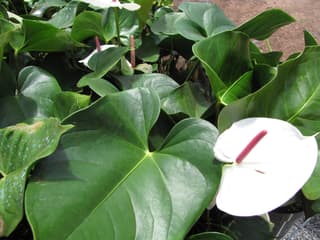
| Flamingo Flower | Medium | Partial shade | 5d | ⚠️ |
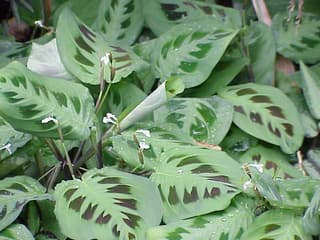
| Prayer Plant | Medium | Partial shade | 3d | ✓ |
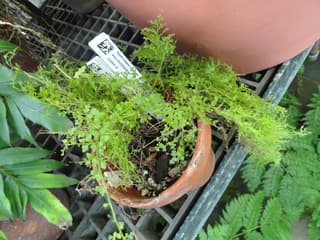
| Boston Fern | Medium | Partial shade | 3d | ✓ |
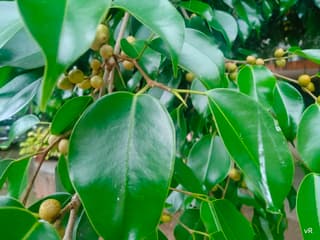
| Weeping Fig | Medium | Partial shade | 10d | ⚠️ |