Orchidaceae
Tailed Slipper Orchid: Pet-Safe Plant
Phragmipedium caudatum
Give bright, filtered light and constant moisture without ever letting the roots dry out completely. High humidity (60 to 80 percent), free-flowing air, and a fast-draining bark or sphagnum mix are essential, since standing water in the fan-shaped growths quickly leads to bacterial rot. Feed lightly but regularly with a calcium-enriched orchid fertilizer during active growth.
Every 3 days
Bright indirect
15° - 29°C
60% - 80%
Categories
What is Tailed Slipper Orchid?
Tailed Slipper Orchid (Phragmipedium caudatum) is a hard-care plant from the Orchidaceae family. Phragmipedium caudatum is a large, fan-shaped terrestrial to lithophytic orchid native to cloud forests from Mexico to Peru and Bolivia, growing on humid, mossy slopes and cliff faces between 800 and 2500 meters elevation. It is famed for its extraordinarily long, spiraling lateral petals, which tra...
Tailed Slipper Orchid grows up to 90cm, spread of 60cm, watering every 3 days, 15°C – 29°C, 60–80% humidity. It is suitable for indoor environments and safe for pets.
Unlike easy-care plants, Tailed Slipper Orchid demands constant attention to humidity and light. Not recommended for beginners. Unlike many popular species, Tailed Slipper Orchid is safe to keep around pets. Without adequate drainage, root rot can develop within 7 days.
How to Care for Tailed Slipper Orchid?
TLDR: Tailed Slipper Orchid needs Bright indirect, watering every 3 days, and temperatures between 15-29°C with 60-80% humidity.
How Often Should You Water Tailed Slipper Orchid?
Keep the potting mix evenly moist at all times, watering as soon as the surface begins to dry rather than letting it dry out fully, and use low-mineral water such as rainwater or reverse-osmosis water since this species is sensitive to salt buildup.
How Much Light Does Tailed Slipper Orchid Need?
Provide bright, indirect light equivalent to 50 percent shade cloth outdoors or an east-facing window indoors; direct midday sun will scorch the leaves, while too little light prevents flowering.
What Is the Best Soil for Tailed Slipper Orchid?
Pot in a fast-draining mix of fine-grade fir bark and chopped sphagnum moss to hold some moisture while letting excess water escape quickly; repot every one to two years before the mix breaks down and starts holding too much water.
What Pot Should You Use for Tailed Slipper Orchid?
A clay pot or slotted plastic orchid basket with ample drainage holes, sized only slightly larger than the root mass, allows excess water to escape quickly and air to reach the roots.
Care Schedule
Fertilize
Every 14 days
Misting
Every 1 days
Rotate
Every 14 days
Repot
Every 730 days
What Is Tailed Slipper Orchid and Where Does It Come From?
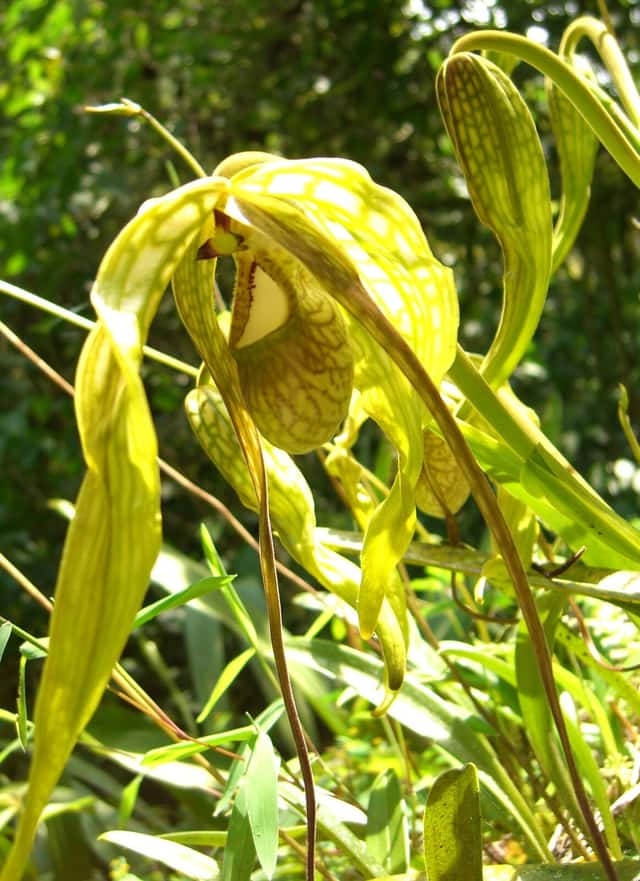
Phragmipedium caudatum is a large, fan-shaped terrestrial to lithophytic orchid native to cloud forests from Mexico to Peru and Bolivia, growing on humid, mossy slopes and cliff faces between 800 and 2500 meters elevation. It is famed for its extraordinarily long, spiraling lateral petals, which trail downward and can reach 60 to 90 centimeters (occasionally over a meter) in mature specimens, among the longest floral structures in the plant kingdom. The cream to yellow-green flowers are veined with darker green and flushed with maroon-red along the twisting petals, opening in succession over many weeks. Prized by collectors since Victorian times, it remains one of the most spectacular and challenging slipper orchids to grow well.
How Big Does Tailed Slipper Orchid Grow?
TLDR: Tailed Slipper Orchid can reach up to 90cm tall with Slow growth rate.
Max height
90cm
Spread
60cm
Growth rate
Slow
Foliage
Evergreen
Plant Uses
Ornamental
Great for decoration
Is your plant showing symptoms?
Click on the symptom to discover possible causes:
What Diseases Commonly Affect Tailed Slipper Orchid?
TLDR: Tailed Slipper Orchid is susceptible to 11 known diseases. Monitor regularly for early detection.
Root Rot
Root rot is a serious fungal disease that affects the root system of plants, causing them to decay and die. It is primarily caused by overwatering, poor drainage, or soil-borne fungi such as Pythium, Phytophthora, Rhizoctonia, and Fusarium. The disease thrives in waterlogged conditions where roots are deprived of oxygen, making them susceptible to fungal infection.
Bacterial Leaf Spot
Bacterial leaf spot is a plant disease caused by bacteria in the Xanthomonas and Pseudomonas genera that affects various ornamental and edible plants. The bacteria infect leaves through wounds or natural openings, causing characteristic lesions that can lead to premature leaf drop and plant weakening.
Bacterial Soft Rot
Bacterial soft rot is a destructive plant disease caused primarily by bacteria from the genera Pectobacterium (formerly Erwinia) and Dickeya. These bacteria produce enzymes that break down plant cell walls, causing rapid and foul-smelling tissue decomposition. It mainly affects succulent tissues such as tubers, fruits, stems, and bulbs, being especially problematic in warm and humid conditions.
Scale Insects
Scale insects are small sap-sucking pests that appear as brown, shell-like bumps on plant stems and leaves. There are over 25 species, divided into armored (hard) and unarmored (soft) scales. They feed by piercing plant tissue and extracting sap, which weakens the plant and can lead to yellowing, stunted growth, and even death if left untreated. They also excrete honeydew, which attracts ants and promotes sooty mold growth.
Meaning & Symbolism
The dramatically long, trailing petals of Phragmipedium caudatum have long symbolized rarity, patience, and exotic elegance among orchid collectors, evoking the remote misty cloud forests where the plant clings to cliff faces far from easy reach.
Compare with similar plants
| Attribute | Difficulty | Light | Watering | Pet Safe |
|---|---|---|---|---|
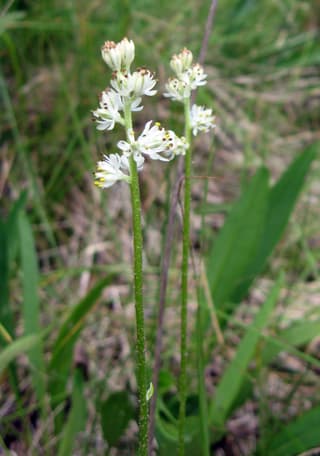
| Sticky false asphodel | Hard | Bright indirect | 1d | ✓ |
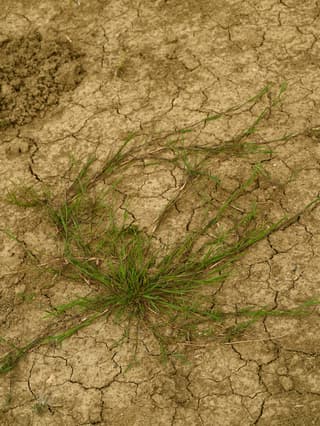
| Creeping bentgrass | Hard | Direct sun | 3d | ✓ |
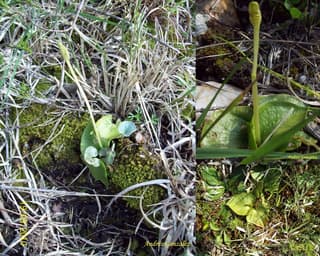
| Bulbous Adder's-tongue | Hard | Partial shade | 4d | ✓ |
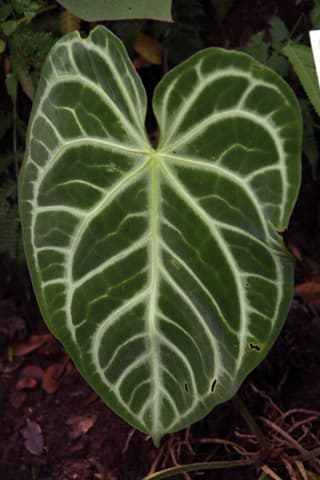
| Crystal Anthurium | Hard | Partial shade | 7d | ⚠️ |
Choose & Compare
Sources & References
- IOSPE - Phragmipedium caudatum
- American Orchid Society - Phragmipedium
- Phragmipedium caudatum care and culture
- Care Guides: Phragmipedium - Roehampton Orchids
- Phragmipedium care guide - UK Houseplants
- Phragmipedium disease - Slippertalk Orchid Forum
- Phragmipedium caudatum - Plants of the World Online, Kew