Anacardiaceae
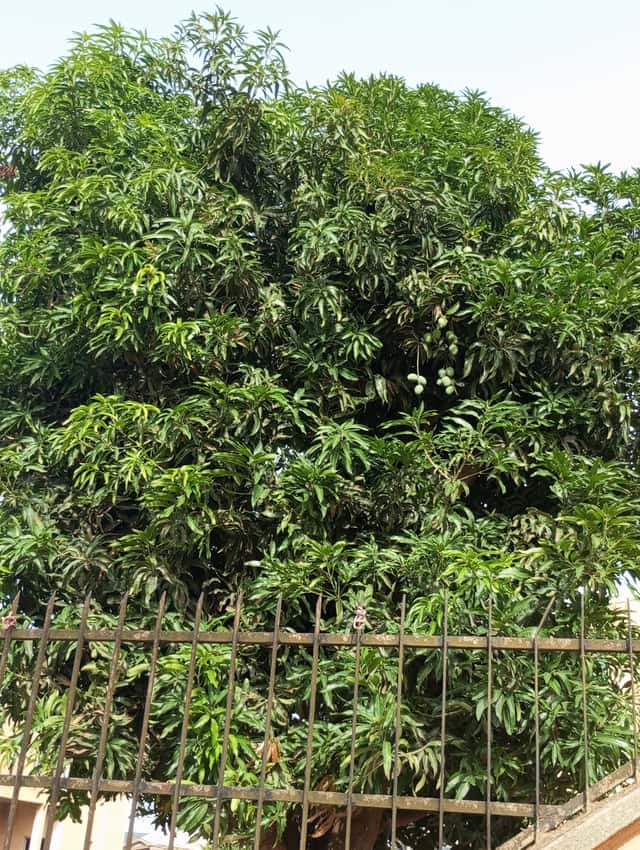
Mango Tree (Mangifera indica)
Mangifera indica
Mango trees thrive in full sun and well-drained soil. Water moderately — established trees are drought-tolerant. Fertilize every 3 months during the growing season and prune annually to maintain shape and encourage fruiting.
Every 10 days
Direct sun
-1° - 48°C
50% - 80%
Categories
What is Mango Tree?
Mango Tree (Mangifera indica) is a medium-care plant from the Anacardiaceae family. The mango tree (Mangifera indica) is a tropical fruit tree native to South Asia, particularly India, where it has been cultivated for over 4,000 years. It belongs to the family Anacardiaceae and can reach up to 30 meters in height under ideal conditions. Widely regarded as the "King of Fruits," it h...
Mango Tree grows up to 30.0m, with spread of 1000cm, watering every 10 days, -1°C – 48°C, 50–80% humidity. It is not suitable for indoor environments and safe for pets.
Unlike many popular species, Mango Tree is safe to keep around pets.
How to Care for Mango Tree?
TLDR: Mango Tree needs Direct sun, watering every 10 days, and temperatures between -1-48°C with 50-80% humidity.
How Often Should You Water Mango Tree?
Water young trees deeply once or twice a week during the first year. Mature trees are drought-tolerant and should be watered every 7–14 days during dry spells, allowing the soil to dry out well between waterings. Avoid waterlogging, which promotes root rot.
How Much Light Does Mango Tree Need?
Mango trees require full sun with at least 8 hours of direct sunlight daily. In shaded conditions, trees grow weak and produce fewer fruits. Plant in an open, sunny location away from structures that may block light.
What Is the Best Soil for Mango Tree?
Prefers well-drained sandy loam soils with a pH between 5.5 and 7.5. Avoid heavy clay or poorly drained soils. Amend with coarse sand or perlite if drainage is inadequate.
What Pot Should You Use for Mango Tree?
Terracotta or concrete pot for container growing; in garden, plant directly in spacious open ground
Care Schedule
Fertilize
Every 90 days
What Is Mango Tree and Where Does It Come From?
The mango tree (Mangifera indica) is a tropical fruit tree native to South Asia, particularly India, where it has been cultivated for over 4,000 years. It belongs to the family Anacardiaceae and can reach up to 30 meters in height under ideal conditions. Widely regarded as the "King of Fruits," it holds immense cultural, economic, and culinary importance across the tropical world.
How to Propagate Mango Tree?
Grafting
Grafting is the most efficient method for reproducing desired mango varieties. Grafted trees bear fruit in 2 to 4 years, while seed-grown trees can take 5 to 8 years.
- 1 Select a healthy young mango rootstock
- 2 Prepare the graft using cleft or budding technique in spring
- 3 Join the parts firmly and wrap with grafting tape
- 4 Keep moist and sheltered from direct sun for 2 weeks
- 5 Remove protection once buds sprout and monitor development
Materials needed:
Seed Propagation
Mango seeds are recalcitrant — they do not tolerate drying out. Plant immediately after removing from the fruit. Seed-grown trees may not replicate the parent variety.
- 1 Remove the seed from a fresh mango stone
- 2 Plant the seed convex side up, about 5 cm deep
- 3 Keep the substrate moist in a warm location (25–30°C)
- 4 Germination occurs in 2 to 4 weeks
- 5 Transplant to a larger pot when the seedling reaches 30 cm tall
Materials needed:
How Big Does Mango Tree Grow?
TLDR: Mango Tree can reach up to 30.0m tall with Fast growth rate.
Max height
30.0m
Spread
10.0m
Growth rate
Fast
Foliage
Evergreen
Warning: Toxic Plant
This plant can be toxic if ingested. Keep out of reach of:
Plant Uses
Edible
Can be consumed
Medicinal
Medicinal properties
Ornamental
Great for decoration
Medicinal Uses
- Leaves used for diabetes and hypertension management in Ayurvedic medicine
- Bark has antifungal and antibacterial properties
- Seeds used as a remedy for diarrhea and intestinal parasites
Culinary Uses
- Fresh fruit eaten raw or in juices, smoothies, and ice cream
- Green mango used in chutneys, pickles, and salads
- Amchoor: dried green mango powder used as a souring agent in Indian cooking
- Flowers and young leaves consumed in some Asian cultures
Is your plant showing symptoms?
Click on the symptom to discover possible causes:
What Diseases Commonly Affect Mango Tree?
TLDR: Mango Tree is susceptible to 9 known diseases. Monitor regularly for early detection.
Anthracnose
Anthracnose is a fungal disease caused by fungi in the genus Colletotrichum that affects many plants, including vegetables, fruits, and trees. The disease thrives in cool, wet conditions, causing dark, sunken lesions on leaves, stems, flowers, and fruits.
Powdery Mildew
Powdery mildew is a common fungal disease caused by various fungi species including Erysiphe, Podosphaera, Oïdium, and Leveillula. It affects over 10,000 plant species worldwide. The disease thrives in warm, dry climates with high humidity and appears as a distinctive white powdery coating on plant surfaces.
Root Rot
Root rot is a serious fungal disease that affects the root system of plants, causing them to decay and die. It is primarily caused by overwatering, poor drainage, or soil-borne fungi such as Pythium, Phytophthora, Rhizoctonia, and Fusarium. The disease thrives in waterlogged conditions where roots are deprived of oxygen, making them susceptible to fungal infection.
Mealybugs
Mealybugs are small, soft-bodied insects covered with a white, waxy, cottony material. They are common pests of houseplants and outdoor plants in mild climates. These sap-sucking insects feed on plant tissue, causing damage, stunted growth, and can lead to plant death if left untreated. They produce sticky honeydew which attracts sooty mold.
Meaning & Symbolism
In Indian and South Asian culture, the mango symbolizes love, fertility, and prosperity. Mango leaves are used in religious rituals and festivals. The fruit is associated with good luck and is considered sacred in Hinduism and Buddhism.
Fun Facts
A mango tree can live for over 300 years and continue producing fruit
A single mature mango tree can yield between 100 and 300 kg of fruit per season
Mango is the most consumed tropical fruit in the world, ahead of pineapple and papaya
Mango leaves have been used in Indian weddings and festivals for thousands of years
Frequently asked questions
How often should I water my mango tree?
Can mango trees be grown in pots?
How long does a mango tree take to bear fruit?
Is the mango tree toxic to humans?
What is the most common disease of mango trees?
Compare with similar plants
| Attribute | Difficulty | Light | Watering | Pet Safe |
|---|---|---|---|---|
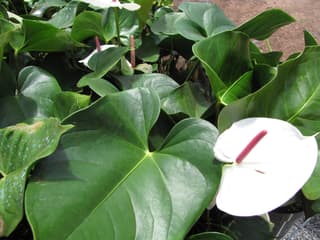
| Flamingo Flower | Medium | Partial shade | 5d | ⚠️ |
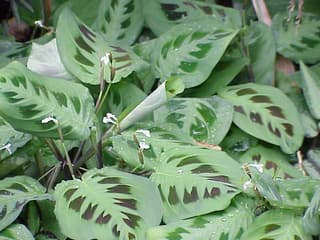
| Prayer Plant | Medium | Partial shade | 3d | ✓ |
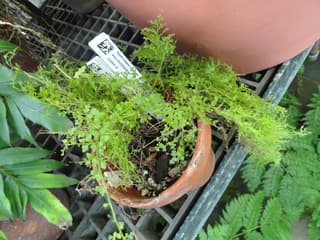
| Boston Fern | Medium | Partial shade | 3d | ✓ |
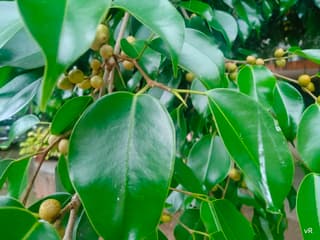
| Weeping Fig | Medium | Partial shade | 10d | ⚠️ |