Rosaceae
Flowering Quince (Chaenomeles speciosa): Complete Care Guide
Chaenomeles speciosa
Plant in full sun with well-drained soil. Water deeply every 10-14 days during the growing season; drought-tolerant once established. Prune after flowering each spring. Fertilize in spring with a balanced fertilizer every 3 months.
Every 14 days
Direct sun
-25° - 35°C
40% - 70%
Categories
What is Flowering Quince?
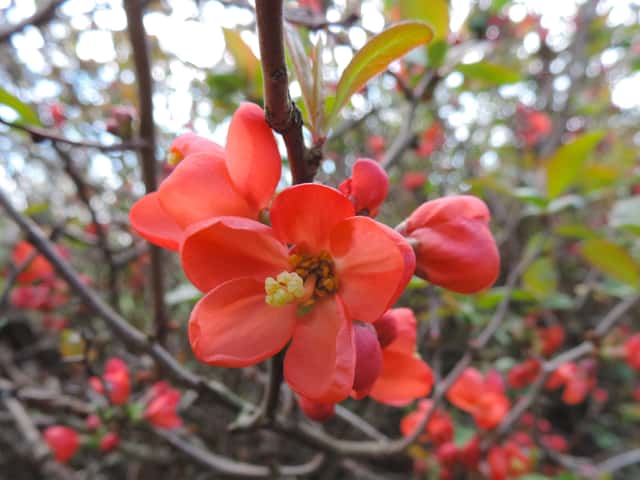
Flowering Quince (Chaenomeles speciosa) is a medium-care plant from the Rosaceae family. Flowering quince (Chaenomeles speciosa) is a dense, deciduous shrub native to China, Tibet, and Myanmar, belonging to the Rosaceae family. It bursts into spectacular bloom in late winter and early spring—often before its leaves emerge—producing flowers in shades of red, pink, and white. The plant al...
Flowering Quince grows up to 3.0m, with spread of 500cm, watering every 14 days, -25°C – 35°C, 40–70% humidity. It is not suitable for indoor environments and safe for pets.
Unlike many popular species, Flowering Quince is safe to keep around pets.
How to Care for Flowering Quince?
TLDR: Flowering Quince needs Direct sun, watering every 14 days, and temperatures between -25-35°C with 40-70% humidity.
How Often Should You Water Flowering Quince?
Water deeply every 10-14 days during the growing season. Once established, flowering quince is quite drought-tolerant and requires minimal supplemental irrigation. Avoid waterlogged soil to prevent root rot.
How Much Light Does Flowering Quince Need?
Requires full sun for best flowering—at least 5-6 hours of direct sunlight daily. Tolerates partial shade but produces significantly fewer blooms.
What Is the Best Soil for Flowering Quince?
Prefers fertile, well-drained, slightly acidic to neutral soil (pH 5.5-7.0). Adaptable to various soil types including clay, as long as drainage is adequate. Avoid highly alkaline soils that cause chlorosis.
What Pot Should You Use for Flowering Quince?
Ceramic or terracotta pots are ideal for container growing, ensuring good drainage and adequate weight for shrub stability.
Care Schedule
Fertilize
Every 90 days
What Is Flowering Quince and Where Does It Come From?
Flowering quince (Chaenomeles speciosa) is a dense, deciduous shrub native to China, Tibet, and Myanmar, belonging to the Rosaceae family. It bursts into spectacular bloom in late winter and early spring—often before its leaves emerge—producing flowers in shades of red, pink, and white. The plant also yields fragrant, yellow-green fruits high in vitamin C, valued for making jams, jellies, and medicinal preparations. It is extremely cold-hardy and adaptable to a wide range of garden conditions.
How to Propagate Flowering Quince?
Semi-hardwood cutting
Use sterilized tools. Keep medium slightly moist, never waterlogged. Cover with plastic bag to maintain humidity.
- 1 Take a semi-hardwood cutting of 10-15 cm with 2-3 nodes in July or August
- 2 Remove lower leaves, leaving only 2-3 at the tip
- 3 Apply rooting hormone powder to the cut end
- 4 Insert into moist, well-draining medium (sand and peat mix)
- 5 Keep in semi-shade with high humidity until rooted
Materials needed:
Ground layering
Ground layering is the easiest propagation method for flowering quince with the highest success rate.
- 1 Select a young, flexible branch in spring
- 2 Make a shallow cut in the middle of the branch
- 3 Bend the branch to the ground and bury the cut section 5 cm deep
- 4 Secure with a stake or stone to maintain soil contact
- 5 After rooting (6-8 weeks), sever from the parent plant and transplant
Materials needed:
How Big Does Flowering Quince Grow?
TLDR: Flowering Quince can reach up to 3.0m tall with Medium growth rate.
Max height
3.0m
Spread
5.0m
Growth rate
Medium
Foliage
Deciduous
Plant Uses
Ornamental
Great for decoration
Edible
Can be consumed
Medicinal
Medicinal properties
Medicinal Uses
- Dried fruits have antispasmodic and digestive properties; used in traditional Chinese medicine to treat nausea and muscle cramps.
Culinary Uses
- Fruits used for jams, jellies, syrups, and herbal teas; rich in vitamin C (approximately 150mg per serving). Fruits are too astringent and hard to eat raw but are delightful when cooked.
Is your plant showing symptoms?
Click on the symptom to discover possible causes:
What Diseases Commonly Affect Flowering Quince?
TLDR: Flowering Quince is susceptible to 7 known diseases. Monitor regularly for early detection.
Fire Blight
Fire blight is a highly destructive and contagious bacterial disease caused by Erwinia amylovora. It primarily affects plants in the Rosaceae family, including apple, pear, quince trees, and various ornamental plants. The disease can destroy an entire orchard in a single growing season under ideal conditions, with the bacterium moving approximately 11 inches per week in new growth.
Leaf Spot
Leaf spot is a common fungal disease caused by various pathogens including Alternaria, Ascochyta, Colletotrichum, Septoria, and Venturia. It primarily affects leaves, causing discolored spots that can lead to premature leaf drop if left untreated.
Rust
Rust is a common fungal disease caused by fungi in the order Pucciniales that affects a wide variety of plants. The disease gets its name from the characteristic orange, yellow, or reddish-brown pustules that appear on leaves, resembling metal rust. This obligate fungal parasite requires living plants to survive and can cause significant economic losses in agricultural crops.
Aphids
Aphids are small, soft-bodied, pear-shaped insects (1/16 to 1/8 inch long) that feed by sucking nutrient-rich sap from plants. They reproduce rapidly and can quickly weaken plants, causing distorted growth and transmitting plant viruses. Aphids come in various colors including green, black, red, yellow, brown, and gray. They secrete honeydew, a sticky substance that attracts ants and encourages sooty mold growth.
Meaning & Symbolism
In Chinese culture, flowering quince symbolizes resilience, renewal, and the arrival of spring. Its early blooms in the cold of winter represent perseverance and hope.
Fun Facts
Flowering quince blooms in the middle of winter, before its leaves appear, making it one of the first plants to signal the arrival of spring.
The fruits contain approximately 150mg of vitamin C per serving—more than many citrus fruits.
In China, the plant has been cultivated for over 2,000 years and features in classical Chinese paintings and poetry.
It can be trained as a bonsai and is highly prized in Japanese-style gardens for its dramatic early blooming.
Frequently asked questions
How often should I water flowering quince?
Does flowering quince need pruning?
Why is my flowering quince not blooming?
Are flowering quince fruits edible?
Is flowering quince cold-hardy?
Compare with similar plants
| Attribute | Difficulty | Light | Watering | Pet Safe |
|---|---|---|---|---|
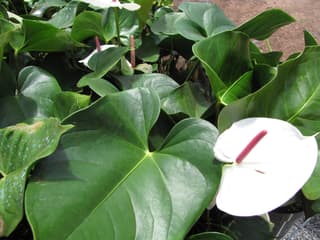
| Flamingo Flower | Medium | Partial shade | 5d | ⚠️ |
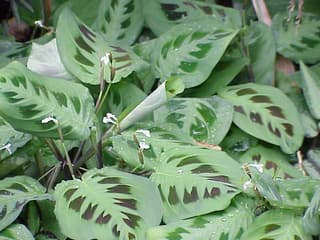
| Prayer Plant | Medium | Partial shade | 3d | ✓ |
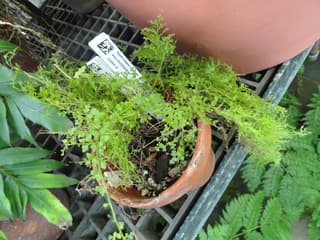
| Boston Fern | Medium | Partial shade | 3d | ✓ |
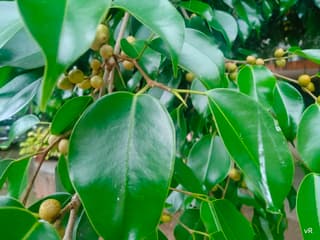
| Weeping Fig | Medium | Partial shade | 10d | ⚠️ |