Cucurbitaceae
Watermelon: Edible Plant
Citrullus lanatus
Requires full sun, well-drained sandy soil, and frequent watering, especially during fruit development.
Every 4 days
Direct sun
18° - 35°C
30% - 50%
Categories
What is Watermelon?
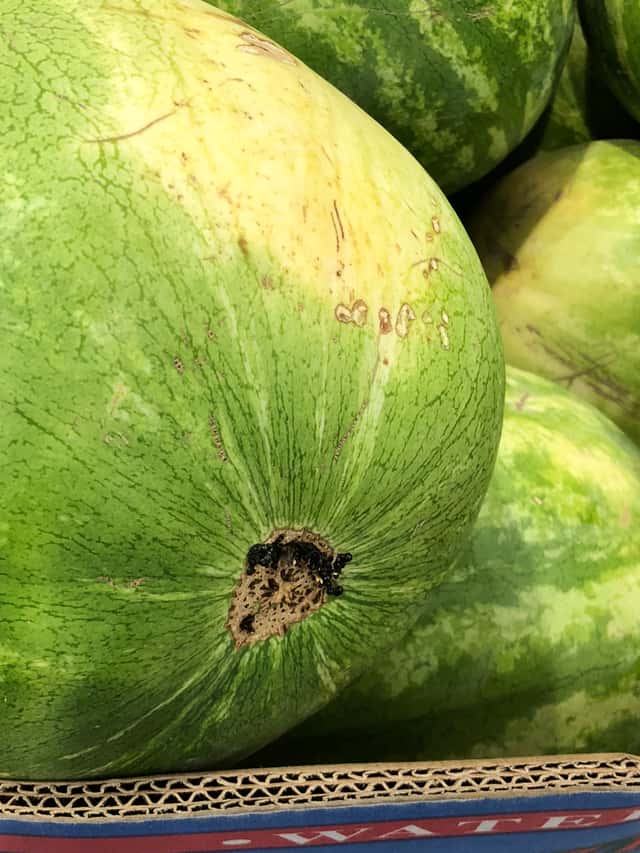
Watermelon (Citrullus lanatus) is a medium-care plant from the Cucurbitaceae family. Watermelon (Citrullus lanatus) is an annual creeping plant of the cucurbit family, native to Africa. It is widely cultivated for its large, juicy fruit, which has a high water content (about 92%) and is rich in vitamins A, C, and lycopene. Its vines can extend for several meters, featuring lobed lea...
Watermelon grows up to 50cm, with spread of 300cm, watering every 4 days, 18°C – 35°C, 30–50% humidity. It is not suitable for indoor environments and safe for pets.
Unlike many popular species, Watermelon is safe to keep around pets.
How to Care for Watermelon?
TLDR: Watermelon needs Direct sun, watering every 4 days, and temperatures between 18-35°C with 30-50% humidity.
How Often Should You Water Watermelon?
Water at the base of the plant to avoid wetting the leaves, which reduces the risk of fungal diseases.
How Much Light Does Watermelon Need?
Watermelon needs direct sunlight for at least 6 to 8 hours daily to produce sweet fruits.
What Is the Best Soil for Watermelon?
The soil should be light and sandy to facilitate root growth and prevent fruit rot.
What Pot Should You Use for Watermelon?
Prefers direct planting in the ground due to its expansive growth, but can be grown in pots of at least 30 liters for dwarf varieties.
Care Schedule
Fertilize
Every 14 days
What Is Watermelon and Where Does It Come From?
Watermelon (Citrullus lanatus) is an annual creeping plant of the cucurbit family, native to Africa. It is widely cultivated for its large, juicy fruit, which has a high water content (about 92%) and is rich in vitamins A, C, and lycopene. Its vines can extend for several meters, featuring lobed leaves and yellow flowers that give rise to fruits with green rinds and typically red flesh.
How to Propagate Watermelon?
Seed Sowing
- Avoid transplanting, as roots are sensitive; plant directly in the final location.
- Use warm water for irrigation if the weather is cool.
- 1 Soil Preparation
Prepare holes with soil rich in organic matter and good drainage.
- 2 Planting
Place 2 to 3 seeds per hole at a depth of 2 to 3 cm.
- 3 Initial Watering
Keep the soil consistently moist until seedlings emerge.
Materials needed:
How Big Does Watermelon Grow?
TLDR: Watermelon can reach up to 50cm tall with Fast growth rate.
Max height
50cm
Spread
3.0m
Growth rate
Fast
Foliage
Deciduous
Plant Uses
Edible
Can be consumed
Ornamental
Great for decoration
Medicinal Uses
- Natural hydration
- Diuretic action
- Kidney health support
- Source of antioxidants
Culinary Uses
- Fresh consumption
- Juices and refreshments
- Fruit salads
- Candied rind
- Roasted seeds
Is your plant showing symptoms?
Click on the symptom to discover possible causes:
What Diseases Commonly Affect Watermelon?
TLDR: Watermelon is susceptible to 9 known diseases. Monitor regularly for early detection.
Anthracnose
Anthracnose is a fungal disease caused by fungi in the genus Colletotrichum that affects many plants, including vegetables, fruits, and trees. The disease thrives in cool, wet conditions, causing dark, sunken lesions on leaves, stems, flowers, and fruits.
Aphids
Aphids are small, soft-bodied, pear-shaped insects (1/16 to 1/8 inch long) that feed by sucking nutrient-rich sap from plants. They reproduce rapidly and can quickly weaken plants, causing distorted growth and transmitting plant viruses. Aphids come in various colors including green, black, red, yellow, brown, and gray. They secrete honeydew, a sticky substance that attracts ants and encourages sooty mold growth.
Bacterial Wilt
Bacterial wilt is a fatal vascular disease caused by bacteria (Erwinia tracheiphila, Ralstonia solanacearum, Xanthomonas spp.) that infects the water-conducting tissue of plants. The bacteria multiply and block the flow of water and nutrients, causing rapid wilting and plant death within 1-2 weeks.
Cercospora Leaf Spot
Cercospora leaf spot is a common fungal disease caused by Cercospora species that affects many plant types, particularly beets, roses, and leafy vegetables. The disease thrives in warm, humid conditions and can cause significant defoliation, reducing plant vigor and yield. It spreads rapidly through water splash, wind, and contaminated tools.
Meaning & Symbolism
Represents abundance, fertility, and the freshness of life.
Compare with similar plants
| Attribute | Difficulty | Light | Watering | Pet Safe |
|---|---|---|---|---|
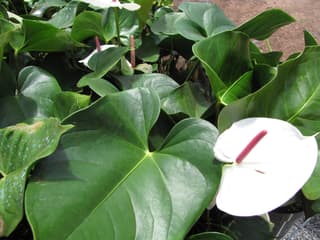
| Flamingo Flower | Medium | Partial shade | 5d | ⚠️ |
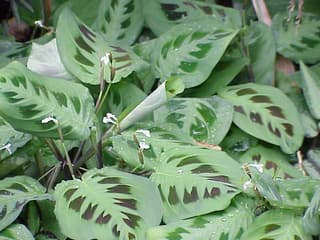
| Prayer Plant | Medium | Partial shade | 3d | ✓ |
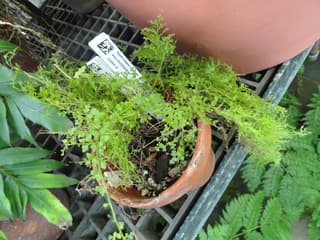
| Boston Fern | Medium | Partial shade | 3d | ✓ |
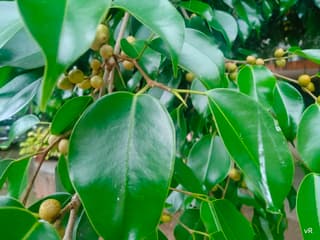
| Weeping Fig | Medium | Partial shade | 10d | ⚠️ |