Cucurbitaceae
How to Grow and Care for Melon (Cucumis melo)
Cucumis melo
Melon thrives in full sun and warm temperatures. It is an annual that completes its lifecycle in one growing season. Provide deep, fertile, well-draining loamy soil. Water consistently but reduce as fruits mature to concentrate sweetness. Feed with balanced fertilizer before flowering, then switch to phosphorus-potassium-rich formula after fruit set.
Every 5 days
Direct sun
18° - 35°C
50% - 75%
Categories
What is Melon?
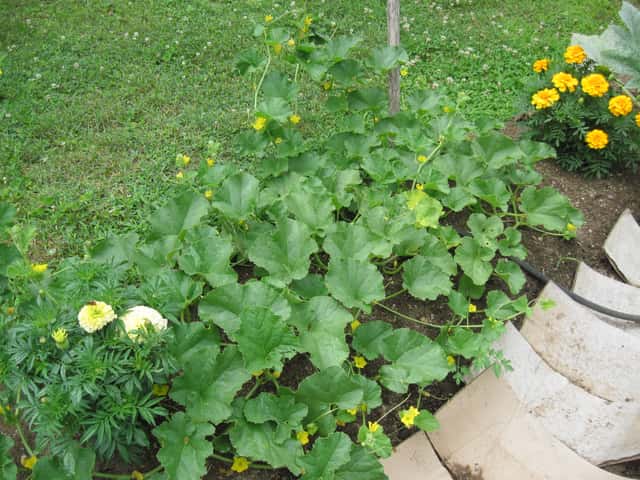
Melon (Cucumis melo) is a medium-care plant from the Cucurbitaceae family. Cucumis melo, commonly known as Melon or Cantaloupe, is an annual climbing and sprawling vine in the Cucurbitaceae family, native to Africa and southwest Asia. It is one of the world's most beloved edible fruits, cultivated for thousands of years since ancient Egypt. The plant produces large, aromat...
Melon grows up to 1.5m, spread of 300cm, watering every 5 days, 18°C – 35°C, 50–75% humidity. It is not suitable for indoor environments and safe for pets.
Unlike many popular species, Melon is safe to keep around pets.
How to Care for Melon?
TLDR: Melon needs Direct sun, watering every 5 days, and temperatures between 18-35°C with 50-75% humidity.
How Often Should You Water Melon?
Water deeply every 4–6 days, delivering 1–2 inches per week. Direct water at the base of the plant, never onto the leaves or fruit. Reduce watering significantly as fruits approach ripeness to boost sugar concentration.
How Much Light Does Melon Need?
Requires full sun — a minimum of 6–8 hours of direct sunlight per day. Insufficient light will result in poor fruit set and bland flavor. Choose the sunniest spot available.
What Is the Best Soil for Melon?
Plant in loamy, well-draining, fertile soil enriched with compost or aged manure. Optimal pH is 6.0–6.8. Avoid heavy clay soils that retain excess moisture and promote root rot.
What Pot Should You Use for Melon?
Large raised beds or in-ground garden rows are ideal. Avoid containers unless very large (15+ gallons) with a trellis. Terracotta or fabric beds improve drainage.
Care Schedule
Fertilize
Every 14 days
What Is Melon and Where Does It Come From?
Cucumis melo, commonly known as Melon or Cantaloupe, is an annual climbing and sprawling vine in the Cucurbitaceae family, native to Africa and southwest Asia. It is one of the world's most beloved edible fruits, cultivated for thousands of years since ancient Egypt. The plant produces large, aromatic fruits with sweet, juicy flesh in colors ranging from orange to green and white. Yellow star-shaped flowers appear in summer, attracting pollinators. Numerous cultivar groups exist, including cantaloupe, honeydew, muskmelon, and casaba.
How to Propagate Melon?
Seed Sowing
Use black plastic mulch to warm soil and suppress weeds. Melons need consistently warm temperatures — cold snaps will stunt growth.
- 1 Sow seeds indoors 2–4 weeks before the last frost date, ½ inch deep in seed-starting mix at 70–85°F (21–29°C).
- 2 Germination occurs within 7–14 days. Keep soil moist but not waterlogged.
- 3 Once seedlings develop 2–3 true leaves, begin hardening off for 5–7 days.
- 4 Transplant outdoors after the last frost when soil temperature is at least 65°F (18°C).
- 5 Space plants 36–42 inches apart in rows 5–6 feet apart to allow vine spread.
Materials needed:
How Big Does Melon Grow?
TLDR: Melon can reach up to 1.5m tall with Fast growth rate.
Max height
1.5m
Spread
3.0m
Growth rate
Fast
Foliage
Deciduous
Plant Uses
Edible
Can be consumed
Medicinal
Medicinal properties
Medicinal Uses
- Seeds have diuretic properties; traditionally used for kidney and urinary tract support
- Fruit flesh and rind applied topically to soothe sunburns and skin irritation
- Pulp used as a digestive aid and mild laxative in traditional medicine
- Rich in vitamins B and C with antioxidant and anti-inflammatory properties
Culinary Uses
- Eaten fresh as a dessert or snack
- Served with prosciutto as a classic Italian antipasto
- Used in fruit salads, smoothies, and gazpachos
- Made into sorbets, frozen treats, and granitas
- Added to salsas and savory summer salads
- Pickled in some Asian culinary traditions
- Dried and powdered for baking and flavoring
- Seeds roasted and eaten as a snack
Is your plant showing symptoms?
Click on the symptom to discover possible causes:
What Diseases Commonly Affect Melon?
TLDR: Melon is susceptible to 13 known diseases. Monitor regularly for early detection.
Powdery Mildew
Powdery mildew is a common fungal disease caused by various fungi species including Erysiphe, Podosphaera, Oïdium, and Leveillula. It affects over 10,000 plant species worldwide. The disease thrives in warm, dry climates with high humidity and appears as a distinctive white powdery coating on plant surfaces.
Downy Mildew
Downy mildew is a fungal-like disease caused by oomycetes (water molds) that thrives in cool, wet conditions. It affects a wide range of plants, causing yellowing leaves with fuzzy white-gray growth underneath, leading to defoliation and reduced yields if left untreated.
Anthracnose
Anthracnose is a fungal disease caused by fungi in the genus Colletotrichum that affects many plants, including vegetables, fruits, and trees. The disease thrives in cool, wet conditions, causing dark, sunken lesions on leaves, stems, flowers, and fruits.
Alternaria Leaf Spot
Alternaria leaf spot is a common fungal disease caused by Alternaria solani and Alternaria alternata that affects a wide range of plants including tomatoes, potatoes, brassicas, and ornamentals. The disease thrives in warm, humid conditions and can cause significant crop damage if left untreated. Spores overwinter on plant debris and can attach to seeds, making complete elimination difficult.
Meaning & Symbolism
Symbol of abundance, fertility, and summer's sweetness. Associated with ancient Egyptian harvests and prosperity. In many cultures, melon represents hospitality and generosity.
Fun Facts
Cucumis melo was cultivated in ancient Egypt as early as 2400 BCE, making it one of the oldest farmed fruits in history.
The name "cantaloupe" comes from Cantalupo, a papal estate near Rome where the fruit was first grown in Europe from Armenian seeds.
Melon fruits are over 90% water, making them one of the most hydrating foods you can eat.
There are over 100 cultivar varieties of Cucumis melo, ranging from tiny pocket melons to 20-pound giants.
Frequently asked questions
How often should I water melon plants?
How much sun does melon need?
Is melon toxic to pets?
How long does it take for melon to produce fruit?
Can melon be grown in containers?
Compare with similar plants
| Attribute | Difficulty | Light | Watering | Pet Safe |
|---|---|---|---|---|
| Dark Fieldcap | Medium | Low light | 2d | ⚠️ |
| Azalea | Medium | Partial shade | 3d | ⚠️ |
| Bougainvillea | Medium | Direct sun | 7d | ⚠️ |
| Wild Lettuce | Medium | Direct sun | 7d | ⚠️ |



