Rutaceae
Meyer Lemon - Citrus meyeri
Citrus meyeri
Provide full sun (8-10 hours daily), water when the top 2 inches of soil are dry, and maintain well-draining acidic soil. Keep humidity around 50% and protect from frost. Fertilize monthly during the growing season.
Every 7 days
Direct sun
10° - 32°C
40% - 60%
Categories
What is Meyer Lemon?
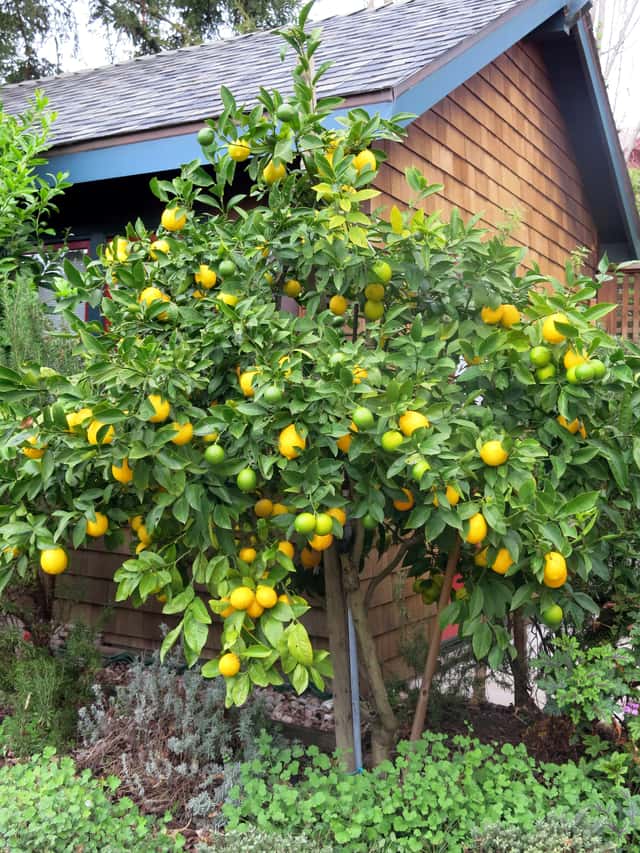
Meyer Lemon (Citrus meyeri) is a medium-care plant from the Rutaceae family. The Meyer Lemon is a hybrid citrus tree native to China, believed to be a cross between a true lemon and a mandarin orange. It produces sweeter, rounder, and thinner-skinned fruits than common lemons, with a deep yellow-orange color when ripe. Compact enough for containers, it thrives both indoors a...
Meyer Lemon grows up to 3.0m, spread of 240cm, watering every 7 days, 10°C – 32°C, 40–60% humidity. It is suitable for indoor environments and not safe for pets.
Without precautions, ingestion can cause irritation in pets. Keep out of reach of cats and dogs. Without adequate drainage, root rot can develop within 14 days.
How to Care for Meyer Lemon?
TLDR: Meyer Lemon needs Direct sun, watering every 7 days, and temperatures between 10-32°C with 40-60% humidity.
How Often Should You Water Meyer Lemon?
Water deeply when the top 1-2 inches of soil feel dry. Avoid overwatering as citrus trees are prone to root rot. Reduce watering in winter when growth slows.
How Much Light Does Meyer Lemon Need?
Needs at least 8-10 hours of direct sunlight daily. Indoors, place near a bright south-facing window. Supplement with grow lights if natural light is insufficient.
What Is the Best Soil for Meyer Lemon?
Use well-draining, slightly acidic soil with a pH of 5.5-6.5. A mix of potting soil, perlite, and peat moss works well. Avoid heavy clay soils that retain moisture.
What Pot Should You Use for Meyer Lemon?
Use a terracotta or ceramic pot with drainage holes. Terracotta is ideal as it allows soil to breathe and prevents waterlogging. Choose a pot 2 inches larger than the root ball.
Care Schedule
Fertilize
Every 30 days
Rotate
Every 14 days
Repot
Every 730 days
What Is Meyer Lemon and Where Does It Come From?
The Meyer Lemon is a hybrid citrus tree native to China, believed to be a cross between a true lemon and a mandarin orange. It produces sweeter, rounder, and thinner-skinned fruits than common lemons, with a deep yellow-orange color when ripe. Compact enough for containers, it thrives both indoors and outdoors in warm climates.
How to Propagate Meyer Lemon?
Stem cutting
Use semi-hardwood cuttings taken in late spring for best results. Bottom heat can improve rooting success.
- 1 Take a 6-8 inch cutting from new growth with 2-3 leaf nodes
- 2 Remove lower leaves and dip cut end in rooting hormone
- 3 Plant in moist perlite or well-draining potting mix
- 4 Cover with a plastic bag to maintain humidity
- 5 Place in bright indirect light and keep soil moist
- 6 Transplant once roots are 2-3 inches long
Materials needed:
Seed propagation
Seed-grown trees may take 4-7 years to fruit and may not produce true to the parent plant. Grafted trees are preferred for reliable fruit production.
- 1 Extract seeds from a ripe Meyer lemon and rinse clean
- 2 Plant seeds 1/2 inch deep in moist seed-starting mix
- 3 Cover container with plastic wrap and place in warm spot
- 4 Keep soil consistently moist but not waterlogged
- 5 Remove plastic once seedlings emerge
- 6 Transplant seedlings when they have 2-3 true leaves
Materials needed:
How Big Does Meyer Lemon Grow?
TLDR: Meyer Lemon can reach up to 3.0m tall with Medium growth rate.
Max height
3.0m
Spread
2.4m
Growth rate
Medium
Foliage
Evergreen
Warning: Toxic Plant
This plant can be toxic if ingested. Keep out of reach of:
Plant Uses
Ornamental
Great for decoration
Edible
Can be consumed
Medicinal Uses
- Lemon juice is rich in vitamin C and antioxidants
- Used in traditional medicine for digestive health
Culinary Uses
- Prized in cooking for its sweeter, less acidic juice
- Excellent for lemonade, desserts, salad dressings, and cocktails
- Zest adds fragrant citrus flavor to baked goods
Is your plant showing symptoms?
Click on the symptom to discover possible causes:
What Diseases Commonly Affect Meyer Lemon?
TLDR: Meyer Lemon is susceptible to 12 known diseases. Monitor regularly for early detection.
Root Rot
Root rot is a serious fungal disease that affects the root system of plants, causing them to decay and die. It is primarily caused by overwatering, poor drainage, or soil-borne fungi such as Pythium, Phytophthora, Rhizoctonia, and Fusarium. The disease thrives in waterlogged conditions where roots are deprived of oxygen, making them susceptible to fungal infection.
Phytophthora Root Rot
Disease caused by fungus-like organisms (oomycetes) that live in soil and can survive for years. It affects roots, stem, and crown of plants, being especially severe in waterlogged or poorly drained soils. It is the second most common cause of root rot in trees and shrubs.
Anthracnose
Anthracnose is a fungal disease caused by fungi in the genus Colletotrichum that affects many plants, including vegetables, fruits, and trees. The disease thrives in cool, wet conditions, causing dark, sunken lesions on leaves, stems, flowers, and fruits.
Gray Mold (Botrytis Blight)
Gray mold, caused by the fungus Botrytis cinerea, is one of the most common fungal diseases in plants. It affects over 200 plant species, including ornamentals, vegetables, fruits, and houseplants. The disease thrives in cool, humid conditions with poor air circulation, causing grayish spots and soft rot on infected tissues.
Meaning & Symbolism
Abundance, prosperity, and good fortune in Chinese culture
Fun Facts
Meyer Lemons are named after Frank N. Meyer, a USDA plant explorer who brought them from China in 1908
They are a natural hybrid between a true lemon and a mandarin or common orange
Meyer Lemons can bloom and produce fruit year-round in ideal conditions
A single mature Meyer Lemon tree can produce up to 50 pounds of fruit per year
Frequently asked questions
How often should I water my Meyer Lemon tree?
Can Meyer Lemon trees grow indoors?
Why are the leaves on my Meyer Lemon turning yellow?
Are Meyer Lemon trees toxic to pets?
Compare with similar plants
| Attribute | Difficulty | Light | Watering | Pet Safe |
|---|---|---|---|---|
| Dark Fieldcap | Medium | Low light | 2d | ⚠️ |
| Azalea | Medium | Partial shade | 3d | ⚠️ |
| Muriel's Bamboo | Medium | Partial shade | 3d | ✓ |
| Bougainvillea | Medium | Direct sun | 7d | ⚠️ |




