Arecaceae
Moriche Palm — The Tree of Life from South America
Mauritia flexuosa
Moriche Palm demands full sun, consistently moist to waterlogged soil, and a warm tropical climate. It must be grown outdoors in the ground — preferably near water bodies or with abundant irrigation. Growth is slow but the palm is extremely long-lived. Fertilize every 3 months with balanced palm fertilizer during the growing season.
Every 7 days
Direct sun
18° - 35°C
70% - 95%
Categories
What is Moriche Palm?
Moriche Palm (Mauritia flexuosa) is a hard-care plant from the Arecaceae family. The Moriche Palm (Mauritia flexuosa) is a majestic palm native to South America, particularly abundant in the wetland gallery forests (veredas) of the Brazilian Cerrado and throughout the Amazon basin. Known as the "Tree of Life" for its extraordinary utility, it can reach up to 25 meters in height...
Moriche Palm grows up to 25.0m, spread of 600cm, watering every 7 days, 18°C – 35°C, 70–95% humidity. It is not suitable for indoor environments and safe for pets.
Unlike easy-care plants, Moriche Palm demands constant attention to humidity and light. Not recommended for beginners. Unlike many popular species, Moriche Palm is safe to keep around pets.
How to Care for Moriche Palm?
TLDR: Moriche Palm needs Direct sun, watering every 7 days, and temperatures between 18-35°C with 70-95% humidity.
How Often Should You Water Moriche Palm?
Moriche Palm thrives in wet conditions — water abundantly every 5-7 days and never let the soil dry out completely. Ideally, plant near lakes, streams, or wetland areas. In cultivation, consistent deep watering is essential, especially during the first 3-5 years of establishment.
How Much Light Does Moriche Palm Need?
Requires full sun for at least 6-8 hours daily. This is a palm of open landscapes and does not tolerate shade. Choose an unobstructed outdoor location with direct sunlight throughout the day.
What Is the Best Soil for Moriche Palm?
Prefers peaty, acidic soils rich in organic matter, with pH between 3.5 and 5.5. Unlike most palms, it tolerates waterlogged and poorly drained soils — mimicking its natural wetland habitat. Avoid alkaline or chalky soils.
What Pot Should You Use for Moriche Palm?
Not suitable for conventional containers due to its large size. For young nursery seedlings, use 5-10 liter nursery bags with acidic peaty substrate. Adult specimens must be planted directly in the ground.
Care Schedule
Fertilize
Every 90 days
What Is Moriche Palm and Where Does It Come From?
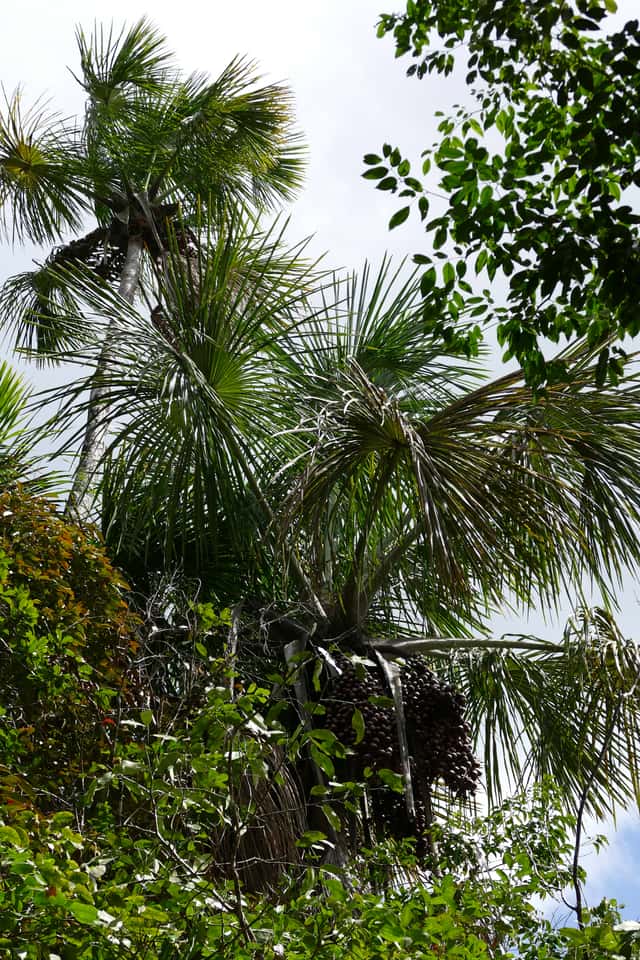
The Moriche Palm (Mauritia flexuosa) is a majestic palm native to South America, particularly abundant in the wetland gallery forests (veredas) of the Brazilian Cerrado and throughout the Amazon basin. Known as the "Tree of Life" for its extraordinary utility, it can reach up to 25 meters in height and produces large, reddish-brown scaly fruits rich in beta-carotene. It is one of the most ecologically and culturally important palms of South America.
How to Propagate Moriche Palm?
Seed Propagation
Germination is slow and irregular. Never let the substrate dry out completely. Use fresh seeds as viability decreases rapidly after harvest.
- 1 Collect ripe fruits and completely remove the flesh
- 2 Wash seeds thoroughly and soak in warm water for 48 hours
- 3 Sow in acidic, peaty moist substrate (pH 4.0-5.0)
- 4 Maintain in a warm location (25-30°C) with high humidity
- 5 Germination takes 90-150 days — be patient
- 6 Transplant seedlings carefully after 6-12 months
Materials needed:
How Big Does Moriche Palm Grow?
TLDR: Moriche Palm can reach up to 25.0m tall with Slow growth rate.
Max height
25.0m
Spread
6.0m
Growth rate
Slow
Foliage
Evergreen
Plant Uses
Ornamental
Great for decoration
Edible
Can be consumed
Medicinal
Medicinal properties
Medicinal Uses
- Buriti oil applied topically for burns and skin hydration
- Pulp infusion for digestive issues
- High in beta-carotene, used as dietary supplement
Culinary Uses
- Fruits eaten fresh or as juice
- Pulp used in ice cream, creams, jams, and regional desserts
- Dried pulp flour used in regional recipes
- Palm heart (non-sustainable harvest)
- Fermented sap wine
Is your plant showing symptoms?
Click on the symptom to discover possible causes:
What Diseases Commonly Affect Moriche Palm?
TLDR: Moriche Palm is susceptible to 4 known diseases. Monitor regularly for early detection.
Scale Insects
Scale insects are small sap-sucking pests that appear as brown, shell-like bumps on plant stems and leaves. There are over 25 species, divided into armored (hard) and unarmored (soft) scales. They feed by piercing plant tissue and extracting sap, which weakens the plant and can lead to yellowing, stunted growth, and even death if left untreated. They also excrete honeydew, which attracts ants and promotes sooty mold growth.
Root Rot
Root rot is a serious fungal disease that affects the root system of plants, causing them to decay and die. It is primarily caused by overwatering, poor drainage, or soil-borne fungi such as Pythium, Phytophthora, Rhizoctonia, and Fusarium. The disease thrives in waterlogged conditions where roots are deprived of oxygen, making them susceptible to fungal infection.
Fusarium Wilt
Fusarium wilt is a serious fungal disease caused by the soil-borne fungus Fusarium oxysporum. The fungus invades roots and blocks the water-conducting vessels (xylem) of the plant, causing progressive wilting and eventual death. Host-specific forms of the pathogen exist that attack different plant species.
Leaf Spot
Leaf spot is a common fungal disease caused by various pathogens including Alternaria, Ascochyta, Colletotrichum, Septoria, and Venturia. It primarily affects leaves, causing discolored spots that can lead to premature leaf drop if left untreated.
Meaning & Symbolism
Symbol of the Brazilian Cerrado and its wetland corridors, the Moriche Palm represents natural abundance and the deep connection between traditional communities and their land. It is considered a keystone species for biodiversity in its native ecosystems.
Fun Facts
Moriche Palm can live for over 100 years in the wild, reaching heights of 25 meters
It is the official plant symbol of the Brazilian state of Minas Gerais
Buriti oil contains one of the highest concentrations of beta-carotene found in any plant oil, giving it natural sun-protective properties
A single Moriche Palm can produce hundreds of fruits per season, making it a crucial food source for jaguars, tapirs, macaws, and many other Cerrado species
Frequently asked questions
Can Moriche Palm be grown in a pot?
How often should I water Moriche Palm?
Is Moriche Palm toxic to pets?
How long does it take Moriche Palm to fruit?
What is buriti oil?
Compare with similar plants
| Attribute | Difficulty | Light | Watering | Pet Safe |
|---|---|---|---|---|
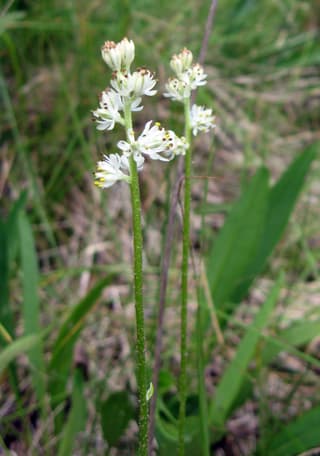
| Sticky false asphodel | Hard | Bright indirect | 1d | ✓ |
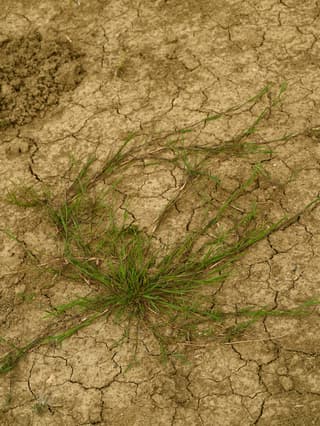
| Creeping bentgrass | Hard | Direct sun | 3d | ✓ |
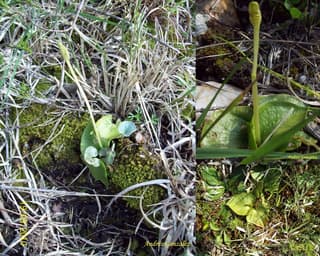
| Bulbous Adder's-tongue | Hard | Partial shade | 4d | ✓ |
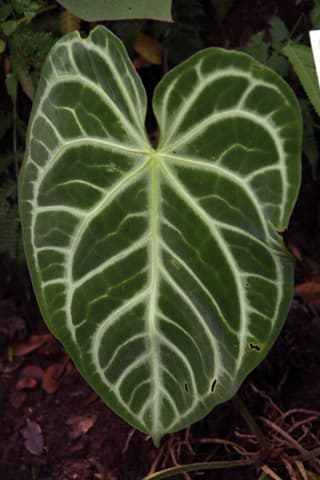
| Crystal Anthurium | Hard | Partial shade | 7d | ⚠️ |