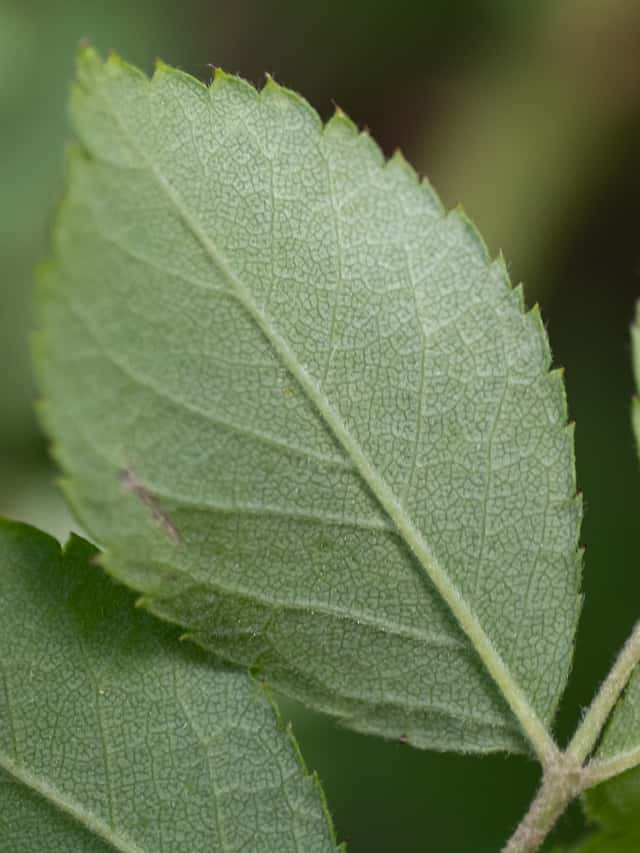
Rosaceae
Multiflora Rose (Rosa multiflora): Care, Growing Tips & Facts
Rosa multiflora
Rosa multiflora thrives in full sun and well-draining soil. Water regularly during establishment; mature plants are moderately drought-tolerant. Prune annually after flowering to control vigorous growth. Fertilize in early spring. Note: this species is invasive in many US states — check local regulations before planting.
Every 7 days
Direct sun
-15° - 30°C
40% - 70%
Categories
What is Multiflora Rose?
Multiflora Rose (Rosa multiflora) is a medium-care plant from the Rosaceae family. Rosa multiflora, commonly known as Multiflora Rose or Baby Rose, is a vigorous climbing shrub native to East Asia (Japan, Korea, and China). It produces spectacular cascading clusters of small white to light pink fragrant flowers in late spring to early summer, followed by small red hips that persis...
Multiflora Rose grows up to 5.0m, spread of 550cm, watering every 7 days, -15°C – 30°C, 40–70% humidity. It is not suitable for indoor environments and safe for pets.
Unlike many popular species, Multiflora Rose is safe to keep around pets.
How to Care for Multiflora Rose?
TLDR: Multiflora Rose needs Direct sun, watering every 7 days, and temperatures between -15-30°C with 40-70% humidity.
How Often Should You Water Multiflora Rose?
Water deeply once a week during the growing season, allowing the top few centimetres of soil to dry slightly between waterings. Established plants are moderately drought-tolerant. Avoid waterlogging to prevent root rot.
How Much Light Does Multiflora Rose Need?
Plant in full sun (at least 6 hours of direct sunlight daily) for best flowering and disease resistance. Tolerates partial shade but produces fewer blooms.
What Is the Best Soil for Multiflora Rose?
Thrives in well-draining, fertile loamy or sandy-loam soil. Adaptable to most soil types including clay, as long as drainage is adequate. Prefers a slightly acidic to neutral pH of 5.5–7.0.
What Pot Should You Use for Multiflora Rose?
Outdoors in the garden border, trellis, fence, or as a naturalistic hedge. Not suitable for indoor cultivation.
Care Schedule
Fertilize
Every 30 days
What Is Multiflora Rose and Where Does It Come From?
Rosa multiflora, commonly known as Multiflora Rose or Baby Rose, is a vigorous climbing shrub native to East Asia (Japan, Korea, and China). It produces spectacular cascading clusters of small white to light pink fragrant flowers in late spring to early summer, followed by small red hips that persist through winter. While ornamentally attractive, it is classified as a highly invasive species in much of the United States and several other countries, forming dense impenetrable thickets that displace native vegetation.
How to Propagate Multiflora Rose?
Stem Cutting
Mist cuttings daily and cover with a plastic bag to retain humidity until roots form.
- 1 Take a 15–20 cm semi-hardwood cutting just below a leaf node in mid-summer
- 2 Remove lower leaves, keeping 2–3 at the tip
- 3 Dip the cut end in rooting hormone powder
- 4 Insert into a pot of moist, well-draining propagation mix
- 5 Place in a warm, bright spot out of direct sun and keep soil moist
Materials needed:
Ground Layering
This method is very reliable and requires no special materials.
- 1 Select a long, flexible young cane
- 2 Bend it to ground level and wound the underside slightly
- 3 Bury the wounded section 5–8 cm deep, securing with a peg
- 4 Leave the tip exposed and water regularly
- 5 Sever from the parent plant once roots are established
Materials needed:
How Big Does Multiflora Rose Grow?
TLDR: Multiflora Rose can reach up to 5.0m tall with Fast growth rate.
Max height
5.0m
Spread
5.5m
Growth rate
Fast
Foliage
Deciduous
Plant Uses
Ornamental
Great for decoration
Ground Cover
Soil coverage
Medicinal Uses
- The hips contain high levels of vitamin C and have historically been used as a diuretic and mild analgesic in traditional Asian medicine.
Culinary Uses
- Rose hips can be used to make jams, jellies, syrups, and herbal teas rich in vitamin C.
Is your plant showing symptoms?
Click on the symptom to discover possible causes:
What Diseases Commonly Affect Multiflora Rose?
TLDR: Multiflora Rose is susceptible to 11 known diseases. Monitor regularly for early detection.
Black Spot
Black spot is the most serious fungal disease affecting roses, caused by the fungus Diplocarpon rosae. It is characterized by dark circular spots on leaves that progress to yellowing and premature leaf drop. The disease thrives in humid and cool conditions, especially early in the growing season.
Powdery Mildew
Powdery mildew is a common fungal disease caused by various fungi species including Erysiphe, Podosphaera, Oïdium, and Leveillula. It affects over 10,000 plant species worldwide. The disease thrives in warm, dry climates with high humidity and appears as a distinctive white powdery coating on plant surfaces.
Rust
Rust is a common fungal disease caused by fungi in the order Pucciniales that affects a wide variety of plants. The disease gets its name from the characteristic orange, yellow, or reddish-brown pustules that appear on leaves, resembling metal rust. This obligate fungal parasite requires living plants to survive and can cause significant economic losses in agricultural crops.
Aphids
Aphids are small, soft-bodied, pear-shaped insects (1/16 to 1/8 inch long) that feed by sucking nutrient-rich sap from plants. They reproduce rapidly and can quickly weaken plants, causing distorted growth and transmitting plant viruses. Aphids come in various colors including green, black, red, yellow, brown, and gray. They secrete honeydew, a sticky substance that attracts ants and encourages sooty mold growth.
Meaning & Symbolism
In Eastern traditions, Rosa multiflora symbolises abundance, fleeting beauty, and the untamed spirit of nature. Its masses of small blossoms represent humility and collective grace rather than individual grandeur.
Fun Facts
A single mature plant can produce up to 500,000 seeds per year, each capable of remaining viable in the soil for up to 20 years.
Originally introduced to the US in the 1860s as rootstock for ornamental roses and later promoted by the Soil Conservation Service as wildlife habitat — it became one of the most widespread invasive shrubs in North America.
Its hips are an important winter food source for many bird species, which are responsible for the rapid spread of seeds across the landscape.
In Japan and China it is used as a rootstock for grafting cultivated roses, taking advantage of its vigorous root system and disease resistance.
Frequently asked questions
Is Multiflora Rose toxic to pets or people?
How fast does Multiflora Rose grow?
Is Multiflora Rose legal to plant?
When does Multiflora Rose flower?
How do I control or remove Multiflora Rose?
Compare with similar plants
| Attribute | Difficulty | Light | Watering | Pet Safe |
|---|---|---|---|---|
| Dark Fieldcap | Medium | Low light | 2d | ⚠️ |
| Azalea | Medium | Partial shade | 3d | ⚠️ |
| Muriel's Bamboo | Medium | Partial shade | 3d | ✓ |
| Bougainvillea | Medium | Direct sun | 7d | ⚠️ |




