Juglandaceae
Pecan: Edible Plant
Carya illinoinensis
Pecans require full sun, deep fertile soil, and significant space to accommodate their large size and deep taproot. They are best suited for large landscapes or orchards rather than home gardens.
Every 14 days
Direct sun
-26° - 38°C
40% - 70%
Categories
What is Pecan?
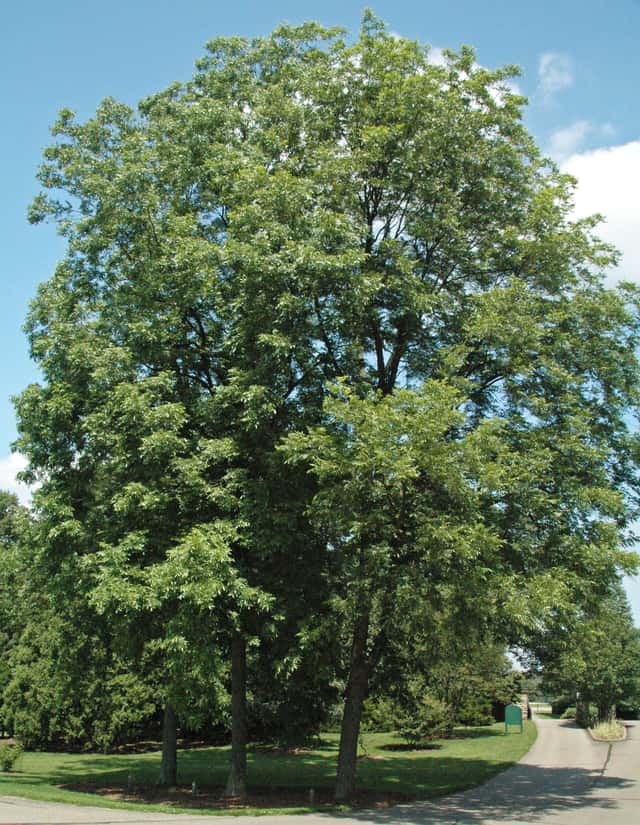
Pecan (Carya illinoinensis) is a medium-care plant from the Juglandaceae family. The Pecan (Carya illinoinensis) is a large, majestic deciduous tree native to the southern United States and northern Mexico. It is the most economically important nut tree native to North America, prized for its sweet, buttery nuts and high-quality wood. The tree features a massive canopy with pinn...
Pecan grows up to 40.0m, spread of 2300cm, watering every 14 days, -26°C – 38°C, 40–70% humidity. It is not suitable for indoor environments and safe for pets.
Unlike many popular species, Pecan is safe to keep around pets.
How to Care for Pecan?
TLDR: Pecan needs Direct sun, watering every 14 days, and temperatures between -26-38°C with 40-70% humidity.
How Often Should You Water Pecan?
Young trees need deep, regular watering to establish their taproot; mature trees are moderately drought-tolerant but need water for nut production.
How Much Light Does Pecan Need?
Requires full, direct sunlight for at least 6-8 hours a day to ensure proper nut development and tree health.
What Is the Best Soil for Pecan?
Thrives in deep, well-drained, loamy soil with high organic matter; avoid heavy clay that restricts taproot growth.
What Pot Should You Use for Pecan?
Not suitable for pots; requires deep, open ground to accommodate a massive taproot system.
Care Schedule
Fertilize
Every 180 days
What Is Pecan and Where Does It Come From?
The Pecan (Carya illinoinensis) is a large, majestic deciduous tree native to the southern United States and northern Mexico. It is the most economically important nut tree native to North America, prized for its sweet, buttery nuts and high-quality wood. The tree features a massive canopy with pinnately compound leaves and produces inconspicuous green catkins in the spring. It is a long-lived species that can reach heights of over 100 feet in ideal conditions.
How to Propagate Pecan?
Seed Stratification
- Keep the soil consistently moist but not waterlogged during germination.
- Protect young seedlings from squirrels and other rodents.
- 1 Collection
Collect fresh, mature nuts in the fall after they have dropped from the tree.
- 2 Stratification
Store nuts in moist sand or peat moss at 35-40°F (2-4°C) for 60-90 days to break dormancy.
- 3 Planting
Sow the stratified nuts 2-3 inches deep in deep containers or directly in the ground in early spring.
Materials needed:
Whip and Tongue Grafting
- Ensure the grafting tools are sterilized and very sharp.
- Seal the graft union with wax to prevent moisture loss.
- 1 Scion Selection
Select dormant scion wood from a known high-quality cultivar in late winter.
- 2 Preparation
Make matching diagonal cuts on both the rootstock and the scion wood.
- 3 Joining
Interlock the cuts and wrap tightly with grafting tape to ensure cambium contact.
Materials needed:
How Big Does Pecan Grow?
TLDR: Pecan can reach up to 40.0m tall with Medium growth rate.
Max height
40.0m
Spread
23.0m
Growth rate
Medium
Foliage
Deciduous
Plant Uses
Edible
Can be consumed
Ornamental
Great for decoration
Culinary Uses
- Pecan pie
- Roasted nuts
- Pecan oil
- Pralines
- Nut butter
Is your plant showing symptoms?
Click on the symptom to discover possible causes:
What Diseases Commonly Affect Pecan?
TLDR: Pecan is susceptible to 10 known diseases. Monitor regularly for early detection.
Anthracnose
Anthracnose is a fungal disease caused by fungi in the genus Colletotrichum that affects many plants, including vegetables, fruits, and trees. The disease thrives in cool, wet conditions, causing dark, sunken lesions on leaves, stems, flowers, and fruits.
Powdery Mildew
Powdery mildew is a common fungal disease caused by various fungi species including Erysiphe, Podosphaera, Oïdium, and Leveillula. It affects over 10,000 plant species worldwide. The disease thrives in warm, dry climates with high humidity and appears as a distinctive white powdery coating on plant surfaces.
Crown Gall
Crown gall is a bacterial disease caused by Agrobacterium tumefaciens that affects over 140 species of plants. The bacteria insert DNA into plant cells, causing them to divide uncontrollably and form large tumor-like growths (galls) primarily on roots, stems, and at the soil line. These galls restrict water and nutrient flow, severely impacting plant health and potentially killing the plant.
Leaf Spot
Leaf spot is a common fungal disease caused by various pathogens including Alternaria, Ascochyta, Colletotrichum, Septoria, and Venturia. It primarily affects leaves, causing discolored spots that can lead to premature leaf drop if left untreated.
Meaning & Symbolism
Represents longevity, abundance, and the heritage of the American South.
Compare with similar plants
| Attribute | Difficulty | Light | Watering | Pet Safe |
|---|---|---|---|---|
| Dark Fieldcap | Medium | Low light | 2d | ⚠️ |
| Azalea | Medium | Partial shade | 3d | ⚠️ |
| Bougainvillea | Medium | Direct sun | 7d | ⚠️ |
| Wild Lettuce | Medium | Direct sun | 7d | ⚠️ |



