Boletaceae
Oak Bolete: Edible Plant
Butyriboletus appendiculatus
This species cannot be cared for like a typical houseplant, as it requires a symbiotic relationship with living trees in the wild.
Every 7-10 days
Low light
10° - 25°C
70% - 95%
Categories
What is Oak Bolete?
Oak Bolete (Butyriboletus appendiculatus) is a hard-care plant from the Boletaceae family. Butyriboletus appendiculatus, known as the Oak Bolete or Butter Bolete, is a highly sought-after edible mushroom found in deciduous forests, particularly under oak and beech trees. It is characterized by its leathery brown cap, bright yellow pores on the underside that bruise slightly blue when touc...
Oak Bolete grows up to 20cm, spread of 15cm, 10°C – 25°C, 70–95% humidity. It is not suitable for indoor environments and safe for pets.
Unlike easy-care plants, Oak Bolete demands constant attention to humidity and light. Not recommended for beginners. Unlike many popular species, Oak Bolete is safe to keep around pets.
How to Care for Oak Bolete?
TLDR: Oak Bolete needs Low light, watering every 7 days, and temperatures between 10-25°C with 70-95% humidity.
How Often Should You Water Oak Bolete?
Dependent on natural rainfall and high humidity levels on the forest floor.
How Much Light Does Oak Bolete Need?
Thrives best in shaded forest areas with indirect light filtering through the tree canopy.
What Is the Best Soil for Oak Bolete?
Prefers calcareous or neutral soil rich in organic matter.
What Pot Should You Use for Oak Bolete?
Not suitable for pots; requires natural forest floor conditions.
What Is Oak Bolete and Where Does It Come From?
Butyriboletus appendiculatus, known as the Oak Bolete or Butter Bolete, is a highly sought-after edible mushroom found in deciduous forests, particularly under oak and beech trees. It is characterized by its leathery brown cap, bright yellow pores on the underside that bruise slightly blue when touched, and a stem that is often rooting or tapered toward the base. It is a mycorrhizal fungus, meaning it lives in a complex symbiotic relationship with tree roots, making it nearly impossible to cultivate artificially.
How to Propagate Oak Bolete?
Spore Dispersal
- Requires the presence of specific tree species to form mycorrhiza.
- 1 Collecting Mature Mushrooms
Find fully developed specimens in the wild during autumn.
- 2 Spore Spreading
Place the caps with the pore side down on moist soil near host trees such as oak or beech.
- 3 Establishment
Let nature take its course and ensure the forest floor remains undisturbed.
Materials needed:
How Big Does Oak Bolete Grow?
TLDR: Oak Bolete can reach up to 20cm tall with Slow growth rate.
Max height
20cm
Spread
15cm
Growth rate
Slow
Plant Uses
Edible
Can be consumed
Culinary Uses
- Sautéed as a side dish
- Dried for soups and sauces
- Used in stews
Is your plant showing symptoms?
Click on the symptom to discover possible causes:
Meaning & Symbolism
A representative of the forest's hidden networks and biodiversity.
Compare with similar plants
| Attribute | Difficulty | Light | Watering | Pet Safe |
|---|---|---|---|---|
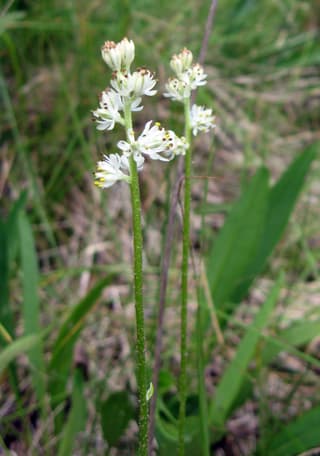
| Sticky false asphodel | Hard | Bright indirect | 1d | ✓ |
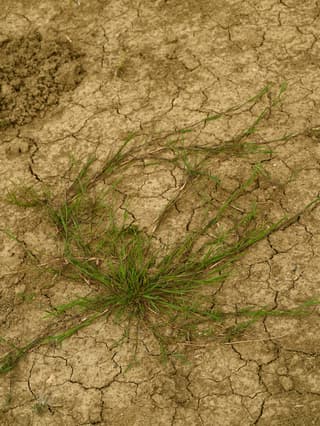
| Creeping bentgrass | Hard | Direct sun | 3d | ✓ |
| Bulbous Adder's-tongue | Hard | Partial shade | 4d | ✓ |
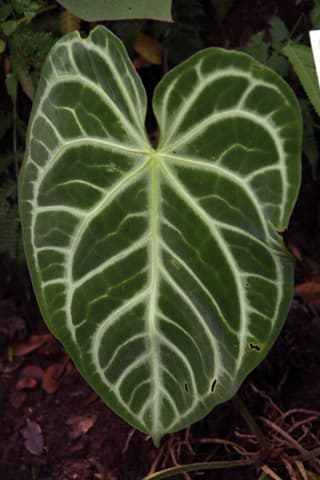
| Crystal Anthurium | Hard | Partial shade | 7d | ⚠️ |