Orchidaceae
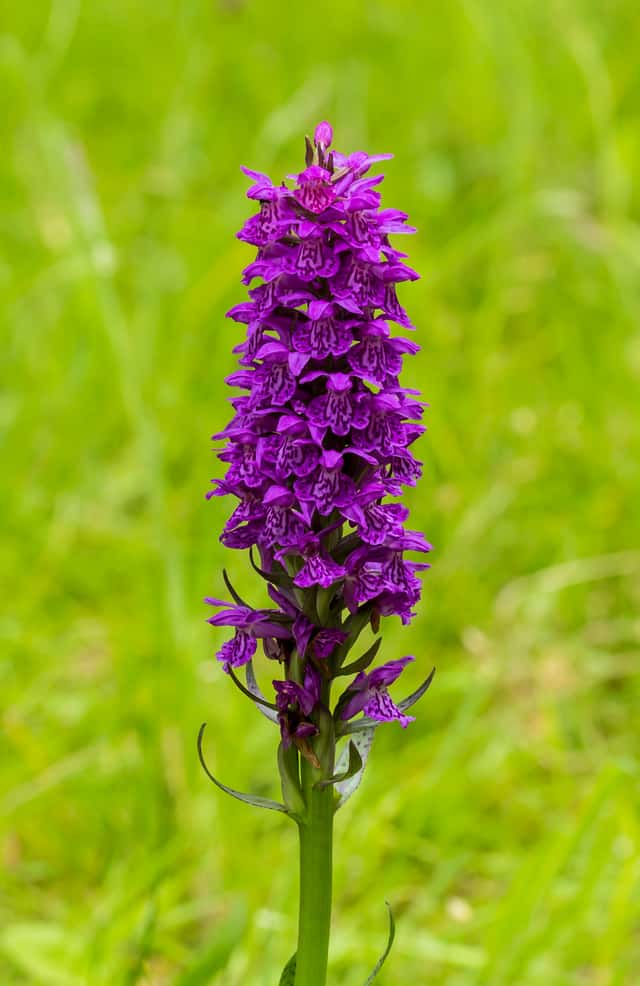
Heath Spotted Orchid (Dactylorhiza maculata)
Dactylorhiza maculata
A challenging outdoor plant requiring moist, peaty, well-drained soil. Prefers partial shade and cool to temperate climates. Not suitable for indoor cultivation. Depends on specific mycorrhizal fungi to thrive in the long term.
Every 5 days
Partial shade
-15° - 25°C
50% - 80%
Categories
What is Heath Spotted Orchid?
Heath Spotted Orchid (Dactylorhiza maculata) is a hard-care plant from the Orchidaceae family. Dactylorhiza maculata, the heath spotted orchid, is a terrestrial tuberous perennial orchid native to Europe. It thrives in heathlands, damp meadows, bogs, and marshes, producing dense spikes of pale pink to deep purple flowers with characteristic dark markings on the labellum. Its leaves are distin...
Heath Spotted Orchid grows up to 70cm, spread of 30cm, watering every 5 days, -15°C – 25°C, 50–80% humidity. It is not suitable for indoor environments and safe for pets.
Unlike easy-care plants, Heath Spotted Orchid demands constant attention to humidity and light. Not recommended for beginners. Unlike many popular species, Heath Spotted Orchid is safe to keep around pets.
How to Care for Heath Spotted Orchid?
TLDR: Heath Spotted Orchid needs Partial shade, watering every 5 days, and temperatures between -15-25°C with 50-80% humidity.
How Often Should You Water Heath Spotted Orchid?
Keep soil consistently moist but well-drained. Water every 5 days during growing season, reducing in winter dormancy. Avoid waterlogging which causes root rot.
How Much Light Does Heath Spotted Orchid Need?
Prefers partial shade or dappled sunlight — intense direct sun can scorch leaves. Ideal under deciduous trees that provide filtered light.
What Is the Best Soil for Heath Spotted Orchid?
Use peaty substrate or soil enriched with organic matter (leaf mould). Slightly acidic to neutral pH (5.5–7.5). Good drainage is essential.
What Pot Should You Use for Heath Spotted Orchid?
Outdoor — garden bed in peaty soil or specialist terrestrial orchid mix
What Is Heath Spotted Orchid and Where Does It Come From?
Dactylorhiza maculata, the heath spotted orchid, is a terrestrial tuberous perennial orchid native to Europe. It thrives in heathlands, damp meadows, bogs, and marshes, producing dense spikes of pale pink to deep purple flowers with characteristic dark markings on the labellum. Its leaves are distinctively spotted.
How to Propagate Heath Spotted Orchid?
Tuber Division
Only divide mature, healthy plants. Reuse some original soil to retain beneficial mycorrhizal fungi which aid re-establishment.
- 1 Dig up the plant in autumn after flowering
- 2 Carefully separate tubers by hand
- 3 Replant each tuber 3-5 cm deep in prepared soil
- 4 Keep moist until established
Materials needed:
Seed (Laboratory)
Home seed propagation is practically impossible due to dependency on specific fungi. Purchase established plants from specialist growers.
- 1 Germination requires specific symbiotic mycorrhizal fungi
- 2 Germinate in laboratory on sterile culture medium
- 3 Transfer seedlings to suitable substrate after establishment
Materials needed:
How Big Does Heath Spotted Orchid Grow?
TLDR: Heath Spotted Orchid can reach up to 70cm tall with Slow growth rate.
Max height
70cm
Spread
30cm
Growth rate
Slow
Foliage
Deciduous
Plant Uses
Ornamental
Great for decoration
Is your plant showing symptoms?
Click on the symptom to discover possible causes:
What Diseases Commonly Affect Heath Spotted Orchid?
TLDR: Heath Spotted Orchid is susceptible to 3 known diseases. Monitor regularly for early detection.
Root Rot
Root rot is a serious fungal disease that affects the root system of plants, causing them to decay and die. It is primarily caused by overwatering, poor drainage, or soil-borne fungi such as Pythium, Phytophthora, Rhizoctonia, and Fusarium. The disease thrives in waterlogged conditions where roots are deprived of oxygen, making them susceptible to fungal infection.
Leaf Spot
Leaf spot is a common fungal disease caused by various pathogens including Alternaria, Ascochyta, Colletotrichum, Septoria, and Venturia. It primarily affects leaves, causing discolored spots that can lead to premature leaf drop if left untreated.
Slugs and Snails
Slugs and snails are mollusks that feed on plant tissue, causing irregular holes in leaves and damage to young seedlings. They are most active at night and in moist conditions, leaving characteristic silvery slime trails. These pests can quickly devastate gardens, especially during wet seasons.
Meaning & Symbolism
Symbolises rare and fragile beauty, the delicacy of European wild nature.
Fun Facts
It is pollinated by bumblebees through food deception — the flowers produce no nectar but mimic nectariferous flowers
It can grow at altitudes up to 2,200 metres in European mountains
The genus name Dactylorhiza comes from the Greek daktylos (finger) referring to the finger-like lobes of the root tubers
It is protected in several European countries due to habitat loss and decline
Frequently asked questions
Can heath spotted orchid be grown in a pot?
How often should I water it?
Is it toxic to pets?
When does it flower?
Where should I plant it?
Compare with similar plants
| Attribute | Difficulty | Light | Watering | Pet Safe |
|---|---|---|---|---|
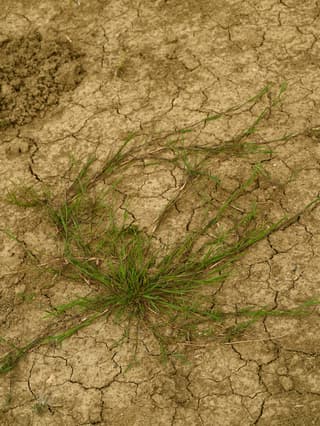
| Creeping bentgrass | Hard | Direct sun | 3d | ✓ |
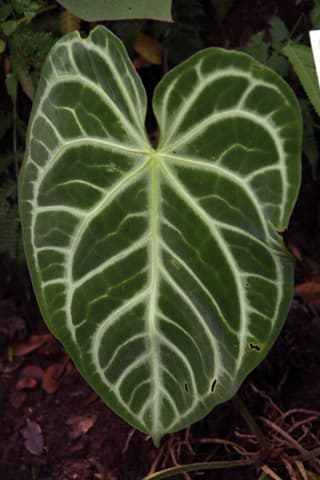
| Crystal Anthurium | Hard | Partial shade | 7d | ⚠️ |
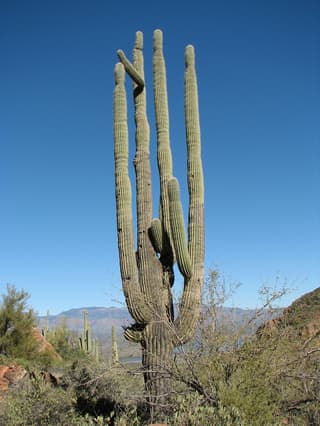
| Saguaro | Hard | Direct sun | 21d | ✓ |
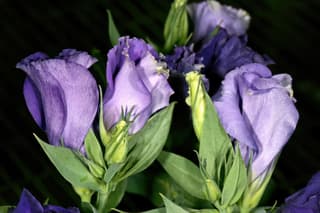
| Lisianthus | Hard | Bright indirect | 7d | ✓ |