Apocynaceae
Madagascar Palm (Pachypodium): Complete Care Guide
Pachypodium
A low-maintenance, drought-tolerant exotic that thrives on neglect. Needs full direct sun, very infrequent watering, and fast-draining sandy soil. Goes dormant in winter and can survive on minimal water.
Every 14 days
Direct sun
10° - 38°C
20% - 50%
Categories
What is Madagascar Palm?
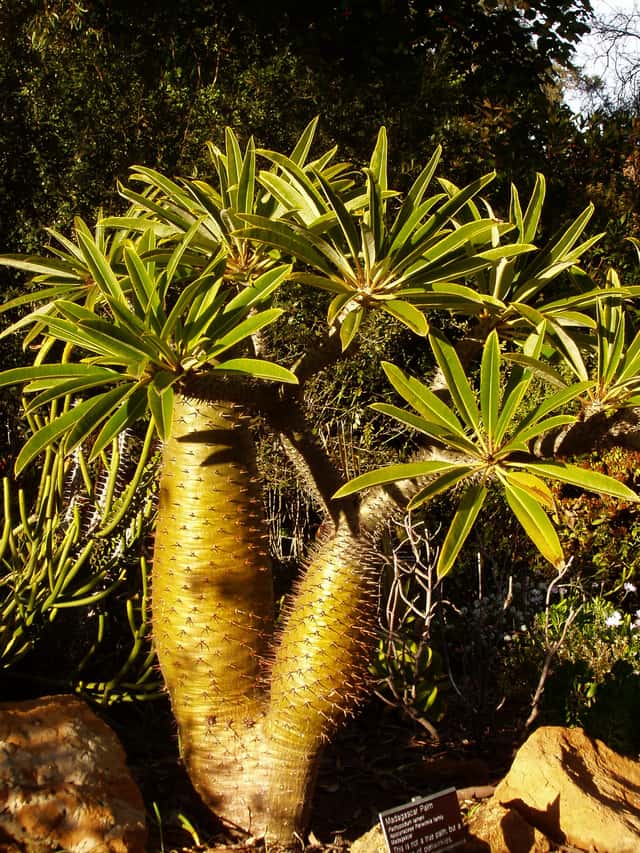
Madagascar Palm (Pachypodium) is a medium-care plant from the Apocynaceae family. Pachypodium is a genus of spiny, caudex-forming succulent shrubs and trees native primarily to Madagascar. The most widely cultivated species — P. lamerei and P. geayi — are commonly called "Madagascar palms" for their striking appearance: a thick, spiny, water-storing trunk topped with a crown of l...
Madagascar Palm grows up to 6.0m, with spread of 120cm, watering every 14 days, 10°C – 38°C, 20–50% humidity. It is suitable for indoor environments and not safe for pets.
Without precautions, ingestion can cause irritation in pets. Keep out of reach of cats and dogs. Without adequate drainage, root rot can develop within 28 days.
How to Care for Madagascar Palm?
TLDR: Madagascar Palm needs Direct sun, watering every 14 days, and temperatures between 10-38°C with 20-50% humidity.
How Often Should You Water Madagascar Palm?
Water deeply in summer only when soil is completely dry (every 10-14 days). In winter, cut back to once a month or less. Overwatering is the number one killer — when in doubt, do not water.
How Much Light Does Madagascar Palm Need?
Requires full direct sun for at least 6 hours daily. Place in the sunniest spot available — south-facing window indoors or full sun outdoors in summer. Insufficient light causes weak, etiolated growth.
What Is the Best Soil for Madagascar Palm?
Use a cactus/succulent mix or add coarse sand and perlite to standard potting soil. The pot must have drainage holes. Avoid any mix that retains moisture.
What Pot Should You Use for Madagascar Palm?
Heavy terracotta or ceramic pot with drainage holes. Avoid plastic pots that retain moisture. The pot should be heavy enough to support the trunk weight.
Care Schedule
Fertilize
Every 30 days
Repot
Every 730 days
What Is Madagascar Palm and Where Does It Come From?
Pachypodium is a genus of spiny, caudex-forming succulent shrubs and trees native primarily to Madagascar. The most widely cultivated species — P. lamerei and P. geayi — are commonly called "Madagascar palms" for their striking appearance: a thick, spiny, water-storing trunk topped with a crown of long, narrow leaves. Despite the common name, they are not true palms but members of the Apocynaceae family.
How to Propagate Madagascar Palm?
Seed propagation
Germination can be irregular and slow. Fresh seeds yield the best results.
- 1 Lightly moisten a cactus mix before sowing
- 2 Place seeds on the surface without deep burial
- 3 Keep in a warm location (25-30°C) with bright indirect light
- 4 Cover with plastic wrap to retain humidity until germination
Materials needed:
Basal offset division
Always wear thick gloves — the spines are extremely sharp and the latex sap is toxic.
- 1 Carefully remove basal offsets when at least 5 cm tall
- 2 Allow the cut end to callous in open air for 2-3 days
- 3 Plant in dry cactus mix and wait 1 week before first watering
Materials needed:
How Big Does Madagascar Palm Grow?
TLDR: Madagascar Palm can reach up to 6.0m tall with Slow growth rate.
Max height
6.0m
Spread
1.2m
Growth rate
Slow
Foliage
Deciduous
Warning: Toxic Plant
This plant can be toxic if ingested. Keep out of reach of:
Plant Uses
Ornamental
Great for decoration
Is your plant showing symptoms?
Click on the symptom to discover possible causes:
What Diseases Commonly Affect Madagascar Palm?
TLDR: Madagascar Palm is susceptible to 11 known diseases. Monitor regularly for early detection.
Root Rot
Root rot is a serious fungal disease that affects the root system of plants, causing them to decay and die. It is primarily caused by overwatering, poor drainage, or soil-borne fungi such as Pythium, Phytophthora, Rhizoctonia, and Fusarium. The disease thrives in waterlogged conditions where roots are deprived of oxygen, making them susceptible to fungal infection.
Bacterial Soft Rot
Bacterial soft rot is a destructive plant disease caused primarily by bacteria from the genera Pectobacterium (formerly Erwinia) and Dickeya. These bacteria produce enzymes that break down plant cell walls, causing rapid and foul-smelling tissue decomposition. It mainly affects succulent tissues such as tubers, fruits, stems, and bulbs, being especially problematic in warm and humid conditions.
Mealybugs
Mealybugs are small, soft-bodied insects covered with a white, waxy, cottony material. They are common pests of houseplants and outdoor plants in mild climates. These sap-sucking insects feed on plant tissue, causing damage, stunted growth, and can lead to plant death if left untreated. They produce sticky honeydew which attracts sooty mold.
Spider Mites
Spider mites are tiny arachnids (less than 1/20 inch long) related to spiders and ticks that feed on plant sap. They thrive in hot, dry conditions and can cause significant damage to ornamental and vegetable plants. During severe infestations, crop losses can reach 14% or higher as these pests disrupt vital plant processes including photosynthesis, carbon dioxide absorption, and transpiration.
Meaning & Symbolism
Symbolizes resilience, endurance, and exotic strength — thriving where others cannot survive.
Fun Facts
In the wild, some Pachypodium species can grow up to 8 meters tall
The spiny, swollen trunk serves the dual purpose of water storage and predator deterrence
The toxic latex sap of Pachypodium has historically been used in arrow poisons by indigenous peoples of Madagascar
Despite the common name, Pachypodium is not a true palm — it belongs to the Apocynaceae family, the same as oleander
Frequently asked questions
How often should I water my Pachypodium?
Does Pachypodium need direct sunlight?
Is Pachypodium toxic to pets?
Why is my Pachypodium dropping leaves?
How often should I repot Pachypodium?
Compare with similar plants
| Attribute | Difficulty | Light | Watering | Pet Safe |
|---|---|---|---|---|
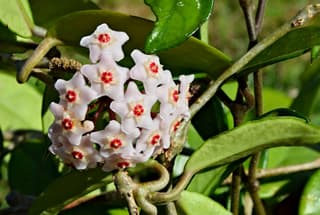
| Wax Plant | Easy | Partial shade | 10d | ✓ |
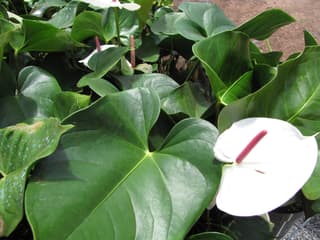
| Flamingo Flower | Medium | Partial shade | 5d | ⚠️ |
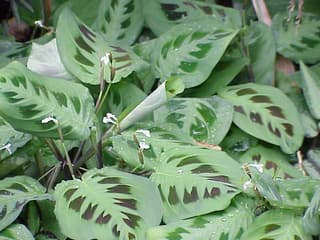
| Prayer Plant | Medium | Partial shade | 3d | ✓ |
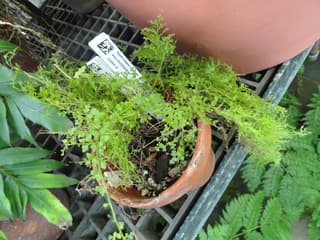
| Boston Fern | Medium | Partial shade | 3d | ✓ |