Arecaceae
Areca Palm: Pet-Safe Plant
Dypsis lutescens
Medium difficulty plant requiring frequent watering, high humidity, and bright indirect light. Avoid direct sunlight and temperatures below 59°F (15°C).
Every 5 days
Partial shade
15° - 27°C
50% - 80%
Categories
What is Areca Palm?
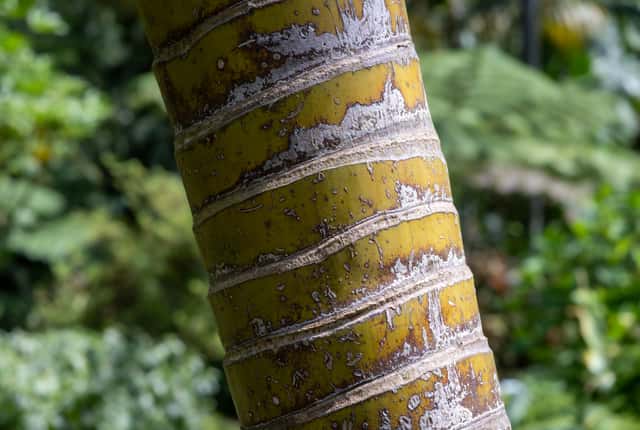
Areca Palm (Dypsis lutescens) is a medium-care plant from the Arecaceae family. Dypsis lutescens, commonly known as Areca Palm or Butterfly Palm, is a palm species native to Madagascar. It features multiple golden-yellow stems resembling bamboo and elegant bright green fronds with feather-like leaflets. It is one of the most popular indoor plants due to its tropical beauty and...
Areca Palm grows up to 3.0m, spread of 200cm, watering every 5 days, 15°C – 27°C, 50–80% humidity. It is suitable for indoor environments and safe for pets.
Unlike many popular species, Areca Palm is safe to keep around pets. Without adequate drainage, root rot can develop within 10 days.
How to Care for Areca Palm?
TLDR: Areca Palm needs Partial shade, watering every 5 days, and temperatures between 15-27°C with 50-80% humidity.
How Often Should You Water Areca Palm?
Keep the soil consistently moist but never waterlogged. Water when the top inch of soil dries out. Use filtered or rainwater to prevent brown tips caused by chlorine and minerals in tap water.
How Much Light Does Areca Palm Need?
Place in bright indirect light, near windows with sheer curtains. Avoid direct sunlight which can scorch the leaves. Tolerates lower light conditions but will grow more slowly.
What Is the Best Soil for Areca Palm?
Use well-draining, slightly acidic potting mix (pH 5.5-7.0). Mix equal parts potting soil, perlite, and peat moss. Ensure good drainage at the bottom of the pot.
What Pot Should You Use for Areca Palm?
Terracotta or ceramic pot with drainage holes, 10-16 inches diameter depending on plant size. Repot every 2-3 years in spring.
Care Schedule
Fertilize
Every 30 days
Misting
Every 3 days
Rotate
Every 14 days
Repot
Every 730 days
What Is Areca Palm and Where Does It Come From?
Dypsis lutescens, commonly known as Areca Palm or Butterfly Palm, is a palm species native to Madagascar. It features multiple golden-yellow stems resembling bamboo and elegant bright green fronds with feather-like leaflets. It is one of the most popular indoor plants due to its tropical beauty and proven air-purifying capabilities, listed in the NASA Clean Air Study as effective in removing formaldehyde, xylene, and toluene from indoor air.
How to Propagate Areca Palm?
Clump Division
- Divide in spring for best recovery
- Choose divisions with at least 3-4 stems
- 1 Remove from pot
Carefully remove the mother plant from its pot, preserving the roots.
- 2 Separate stems
Identify stems with their own roots and gently separate them by hand or with a sterilized knife.
- 3 Plant divisions
Plant each division in an individual pot with fresh, well-draining potting mix.
- 4 Care for new plants
Keep in indirect light, high humidity, and moist soil for 2-4 weeks.
Materials needed:
Seeds
- Fresh seeds germinate better
- Patience is key - it may take years for plants to reach decorative size
- 1 Prepare seeds
Scarify seeds by rubbing on fine sandpaper and soak in warm water for 24 hours.
- 2 Plant
Sow in moist substrate about 0.5 inch deep.
- 3 Keep warm
Cover with plastic and maintain 70-85°F (21-29°C) with constant humidity.
- 4 Wait
Germination takes 6-8 weeks. Transplant when first true leaves appear.
Materials needed:
How Big Does Areca Palm Grow?
TLDR: Areca Palm can reach up to 3.0m tall with Medium growth rate.
Max height
3.0m
Spread
2.0m
Growth rate
Medium
Foliage
Evergreen
Plant Uses
Ornamental
Great for decoration
Air Purifying
Improves air quality
Is your plant showing symptoms?
Click on the symptom to discover possible causes:
What Diseases Commonly Affect Areca Palm?
TLDR: Areca Palm is susceptible to 13 known diseases. Monitor regularly for early detection.
Root Rot
Root rot is a serious fungal disease that affects the root system of plants, causing them to decay and die. It is primarily caused by overwatering, poor drainage, or soil-borne fungi such as Pythium, Phytophthora, Rhizoctonia, and Fusarium. The disease thrives in waterlogged conditions where roots are deprived of oxygen, making them susceptible to fungal infection.
Gray Mold (Botrytis Blight)
Gray mold, caused by the fungus Botrytis cinerea, is one of the most common fungal diseases in plants. It affects over 200 plant species, including ornamentals, vegetables, fruits, and houseplants. The disease thrives in cool, humid conditions with poor air circulation, causing grayish spots and soft rot on infected tissues.
Leaf Spot
Leaf spot is a common fungal disease caused by various pathogens including Alternaria, Ascochyta, Colletotrichum, Septoria, and Venturia. It primarily affects leaves, causing discolored spots that can lead to premature leaf drop if left untreated.
Southern Blight
Southern blight is a devastating soilborne fungal disease caused by Athelia rolfsii (formerly Sclerotium rolfsii), affecting over 500 plant species including vegetables, ornamentals, and fruit crops. The fungus survives in soil through resting structures called sclerotia that resemble mustard seeds and can remain viable for years.
Meaning & Symbolism
Symbol of peace, tranquility, and good fortune. In Feng Shui, it attracts positive energy and success to the home.
Compare with similar plants
| Attribute | Difficulty | Light | Watering | Pet Safe |
|---|---|---|---|---|
| Dark Fieldcap | Medium | Low light | 2d | ⚠️ |
| Azalea | Medium | Partial shade | 3d | ⚠️ |
| Bougainvillea | Medium | Direct sun | 7d | ⚠️ |
| Wild Lettuce | Medium | Direct sun | 7d | ⚠️ |



