Arecaceae
Mangrove Fan Palm (Licuala spinosa): Complete Care Guide
Licuala spinosa
A moderately demanding palm that thrives in high humidity, consistently moist soil, and bright light. Perfect for tropical garden borders, screening, or as a bold indoor feature in bright spaces.
Every 8 days
Bright indirect
15° - 35°C
60% - 90%
Categories
What is Mangrove Fan Palm?
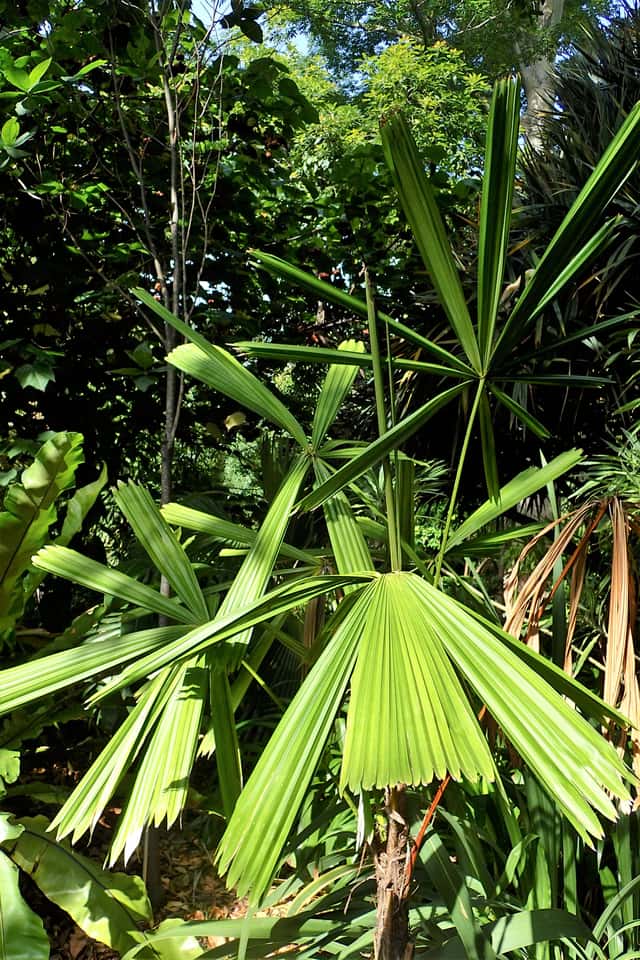
Mangrove Fan Palm (Licuala spinosa) is a medium-care plant from the Arecaceae family. The Mangrove Fan Palm (Licuala spinosa) is a tropical clumping palm native to Southeast Asia, recognized by its deeply divided fan-shaped leaves and spiny leaf stems. It thrives in coastal swamps, riverbanks, and mangrove edges, making it a striking ornamental specimen for tropical and subtropical g...
Mangrove Fan Palm grows up to 4.0m, with spread of 300cm, watering every 8 days, 15°C – 35°C, 60–90% humidity. It is suitable for indoor environments and safe for pets.
Unlike many popular species, Mangrove Fan Palm is safe to keep around pets. Without adequate drainage, root rot can develop within 16 days.
How to Care for Mangrove Fan Palm?
TLDR: Mangrove Fan Palm needs Bright indirect, watering every 8 days, and temperatures between 15-35°C with 60-90% humidity.
How Often Should You Water Mangrove Fan Palm?
Water every 7–10 days, keeping the soil consistently moist but never waterlogged. During hot weather, increase frequency. Avoid water high in salt or fluoride, which can cause leaf tip burn.
How Much Light Does Mangrove Fan Palm Need?
Thrives in bright indirect to full sun. Outdoors it tolerates full sun; indoors, place near bright windows. Shield from intense afternoon sun in very hot climates to prevent leaf scorch.
What Is the Best Soil for Mangrove Fan Palm?
Use well-draining, moisture-retentive mix with pH 6.0–7.5. Combine quality potting soil with perlite and organic matter. Tolerates wet soils and performs well near water features.
What Pot Should You Use for Mangrove Fan Palm?
Large pot with drainage holes (terracotta or dark plastic); in gardens, plant in enriched, moist soil beds.
Care Schedule
Fertilize
Every 30 days
Misting
Every 3 days
Repot
Every 730 days
What Is Mangrove Fan Palm and Where Does It Come From?
The Mangrove Fan Palm (Licuala spinosa) is a tropical clumping palm native to Southeast Asia, recognized by its deeply divided fan-shaped leaves and spiny leaf stems. It thrives in coastal swamps, riverbanks, and mangrove edges, making it a striking ornamental specimen for tropical and subtropical gardens.
How to Propagate Mangrove Fan Palm?
Seed Germination
Use fresh seeds as they lose viability quickly. Maintain consistent warmth and moisture.
- 1 Collect fresh seeds and remove the flesh
- 2 Sow in moist, well-draining seed mix
- 3 Maintain warmth (25-30°C) and high humidity
- 4 Wait 2 to 6 months for germination
Materials needed:
Offset Division
Divide in spring for best results. Keep the offset well watered until it establishes.
- 1 Identify mature offsets with their own roots
- 2 Carefully separate with a clean, sharp knife
- 3 Plant in moist potting mix and keep in a shaded spot until established
Materials needed:
How Big Does Mangrove Fan Palm Grow?
TLDR: Mangrove Fan Palm can reach up to 4.0m tall with Medium growth rate.
Max height
4.0m
Spread
3.0m
Growth rate
Medium
Foliage
Evergreen
Plant Uses
Ornamental
Great for decoration
Is your plant showing symptoms?
Click on the symptom to discover possible causes:
What Diseases Commonly Affect Mangrove Fan Palm?
TLDR: Mangrove Fan Palm is susceptible to 6 known diseases. Monitor regularly for early detection.
Root Rot
Root rot is a serious fungal disease that affects the root system of plants, causing them to decay and die. It is primarily caused by overwatering, poor drainage, or soil-borne fungi such as Pythium, Phytophthora, Rhizoctonia, and Fusarium. The disease thrives in waterlogged conditions where roots are deprived of oxygen, making them susceptible to fungal infection.
Scale Insects
Scale insects are small sap-sucking pests that appear as brown, shell-like bumps on plant stems and leaves. There are over 25 species, divided into armored (hard) and unarmored (soft) scales. They feed by piercing plant tissue and extracting sap, which weakens the plant and can lead to yellowing, stunted growth, and even death if left untreated. They also excrete honeydew, which attracts ants and promotes sooty mold growth.
Spider Mites
Spider mites are tiny arachnids (less than 1/20 inch long) related to spiders and ticks that feed on plant sap. They thrive in hot, dry conditions and can cause significant damage to ornamental and vegetable plants. During severe infestations, crop losses can reach 14% or higher as these pests disrupt vital plant processes including photosynthesis, carbon dioxide absorption, and transpiration.
Overwatering
Overwatering occurs when plants receive too much water, depriving roots of oxygen and causing root rot. This environmental stress is one of the most common causes of houseplant death, as waterlogged soil prevents roots from breathing and functioning properly.
Meaning & Symbolism
Symbolizes tropical resilience and abundance. Traditionally used in Southeast Asia for thatching roofs and wrapping food.
Fun Facts
One of the most cold-hardy palms in the Licuala genus, tolerating brief dips to -3°C.
Its fan-shaped leaves can reach 1 metre in diameter and are used to wrap food in Southeast Asian cultures.
Forms dense clumps that serve as excellent privacy screens and windbreaks in tropical gardens.
Native to mangroves and riverbanks, it is uniquely adapted to waterlogged, humid conditions.
Frequently asked questions
How often should I water the Mangrove Fan Palm?
Is the Mangrove Fan Palm toxic to pets?
Can I grow Mangrove Fan Palm indoors?
Why are my palm leaves turning yellow?
Compare with similar plants
| Attribute | Difficulty | Light | Watering | Pet Safe |
|---|---|---|---|---|
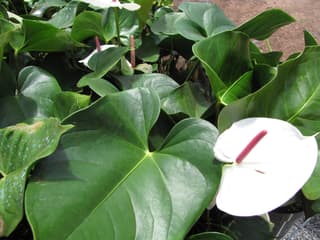
| Flamingo Flower | Medium | Partial shade | 5d | ⚠️ |
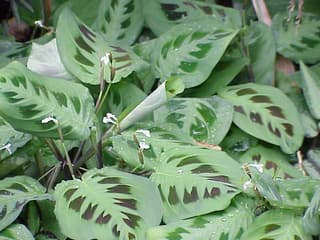
| Prayer Plant | Medium | Partial shade | 3d | ✓ |
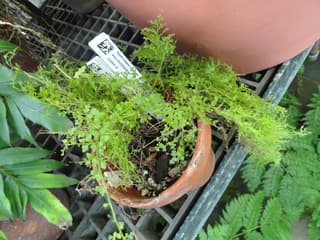
| Boston Fern | Medium | Partial shade | 3d | ✓ |
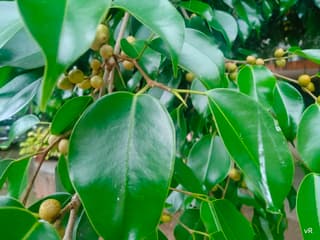
| Weeping Fig | Medium | Partial shade | 10d | ⚠️ |