Arecaceae
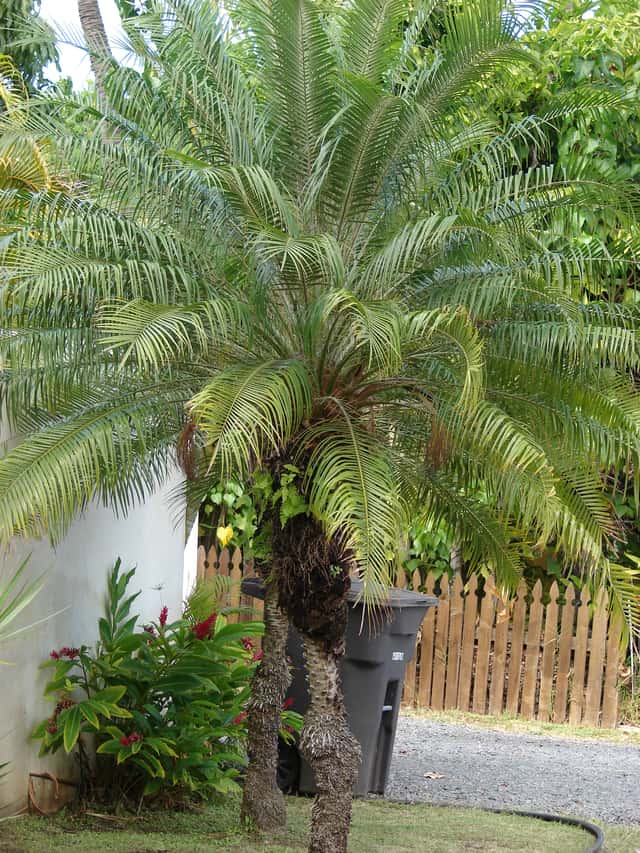
Pygmy Date Palm (Phoenix roebelenii) Complete Care Guide
Phoenix roebelenii
The Pygmy Date Palm thrives in bright indirect light with moderate watering every 7-10 days. Keep humidity above 50%, maintain temperatures between 13-35°C, and use well-draining soil. Fertilize monthly during spring and summer. It is non-toxic and suitable for homes with pets.
Every 9 days
Bright indirect
13° - 35°C
50% - 80%
Categories
What is Pygmy Date Palm?
Pygmy Date Palm (Phoenix roebelenii) is a medium-care plant from the Arecaceae family. Phoenix roebelenii, commonly known as the Pygmy Date Palm, is a graceful miniature palm native to the tropical forests of Southeast Asia, particularly Laos and Vietnam. It is one of the most popular indoor palms worldwide due to its compact size, elegant arching fronds, and easy-going nature. Growin...
Pygmy Date Palm grows up to 2.0m, with spread of 120cm, watering every 9 days, 13°C – 35°C, 50–80% humidity. It is suitable for indoor environments and safe for pets.
Unlike many popular species, Pygmy Date Palm is safe to keep around pets. Without adequate drainage, root rot can develop within 18 days.
How to Care for Pygmy Date Palm?
TLDR: Pygmy Date Palm needs Bright indirect, watering every 9 days, and temperatures between 13-35°C with 50-80% humidity.
How Often Should You Water Pygmy Date Palm?
Water every 7-10 days, allowing the top 50% of the soil to dry out between waterings. Reduce watering in fall and winter. Always ensure the pot has drainage holes to prevent root rot. Avoid using cold water; use room-temperature or filtered water when possible.
How Much Light Does Pygmy Date Palm Need?
Place in bright indirect light near an east or west-facing window. It can tolerate some direct morning sun but avoid harsh afternoon sun which may scorch the fronds. Rotate the pot every 90 days for even frond development.
What Is the Best Soil for Pygmy Date Palm?
Use a well-draining palm mix or add perlite and coarse sand to standard potting soil. A slightly acidic to neutral pH (6.0-8.0) is ideal. Avoid heavy clay soils that retain too much moisture.
What Pot Should You Use for Pygmy Date Palm?
Use a terracotta or unglazed clay pot to help with moisture regulation. Ensure the pot has multiple drainage holes. Repot every 2 years or when roots begin circling the base.
Care Schedule
Fertilize
Every 30 days
Misting
Every 3 days
Rotate
Every 90 days
Repot
Every 730 days
What Is Pygmy Date Palm and Where Does It Come From?
Phoenix roebelenii, commonly known as the Pygmy Date Palm, is a graceful miniature palm native to the tropical forests of Southeast Asia, particularly Laos and Vietnam. It is one of the most popular indoor palms worldwide due to its compact size, elegant arching fronds, and easy-going nature. Growing slowly to about 2 meters tall, this palm adds a tropical touch to any interior space or warm outdoor garden.
How to Propagate Pygmy Date Palm?
Basal Sucker Division
Choose suckers that are at least 30 cm tall for best results. Avoid disturbing the parent plant roots unnecessarily.
- 1 Identify healthy basal suckers at the base of the parent plant
- 2 Use a clean, sharp knife to separate the sucker with some roots attached
- 3 Allow the cut to dry for a few hours before planting
- 4 Plant in a well-draining palm mix and keep moderately moist
- 5 Place in bright indirect light until established
Materials needed:
Seed Propagation
Fresh seeds have much higher germination rates. This method requires significant patience as seedlings grow very slowly.
- 1 Soak fresh seeds in warm water for 24-48 hours
- 2 Plant seeds 1 cm deep in a mix of peat and perlite
- 3 Maintain soil temperature of 25-30°C using a heat mat
- 4 Keep moist and in bright indirect light
- 5 Germination may take 3-6 months; be patient
Materials needed:
How Big Does Pygmy Date Palm Grow?
TLDR: Pygmy Date Palm can reach up to 2.0m tall with Slow growth rate.
Max height
2.0m
Spread
1.2m
Growth rate
Slow
Foliage
Evergreen
Plant Uses
Ornamental
Great for decoration
Is your plant showing symptoms?
Click on the symptom to discover possible causes:
What Diseases Commonly Affect Pygmy Date Palm?
TLDR: Pygmy Date Palm is susceptible to 7 known diseases. Monitor regularly for early detection.
Root Rot
Root rot is a serious fungal disease that affects the root system of plants, causing them to decay and die. It is primarily caused by overwatering, poor drainage, or soil-borne fungi such as Pythium, Phytophthora, Rhizoctonia, and Fusarium. The disease thrives in waterlogged conditions where roots are deprived of oxygen, making them susceptible to fungal infection.
Overwatering
Overwatering occurs when plants receive too much water, depriving roots of oxygen and causing root rot. This environmental stress is one of the most common causes of houseplant death, as waterlogged soil prevents roots from breathing and functioning properly.
Spider Mites
Spider mites are tiny arachnids (less than 1/20 inch long) related to spiders and ticks that feed on plant sap. They thrive in hot, dry conditions and can cause significant damage to ornamental and vegetable plants. During severe infestations, crop losses can reach 14% or higher as these pests disrupt vital plant processes including photosynthesis, carbon dioxide absorption, and transpiration.
Mealybugs
Mealybugs are small, soft-bodied insects covered with a white, waxy, cottony material. They are common pests of houseplants and outdoor plants in mild climates. These sap-sucking insects feed on plant tissue, causing damage, stunted growth, and can lead to plant death if left untreated. They produce sticky honeydew which attracts sooty mold.
Meaning & Symbolism
In many cultures, palms symbolize victory, peace, and eternal life. The Pygmy Date Palm brings a sense of tropical serenity and longevity to indoor and outdoor spaces.
Fun Facts
Despite its tropical appearance, the Pygmy Date Palm can survive temperatures as low as 13°C, making it surprisingly adaptable.
It produces small edible dates, though much smaller and less fleshy than those from commercial date palms.
Native to the Mekong River basin in Laos and Vietnam, it grows naturally along riverbanks and in tropical forests.
It is one of the few palms that remains compact enough to thrive indoors for decades without outgrowing its space.
Frequently asked questions
How often should I water my Pygmy Date Palm?
Is the Pygmy Date Palm toxic to cats and dogs?
Why are the frond tips turning brown?
How much light does a Pygmy Date Palm need?
How often should I repot my Pygmy Date Palm?
Compare with similar plants
| Attribute | Difficulty | Light | Watering | Pet Safe |
|---|---|---|---|---|
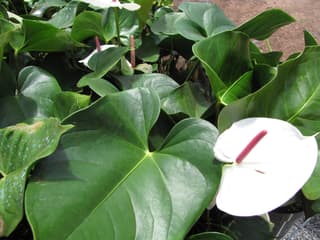
| Flamingo Flower | Medium | Partial shade | 5d | ⚠️ |
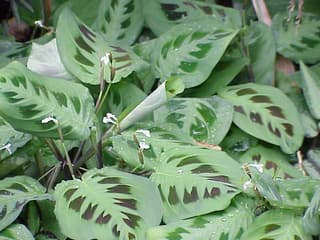
| Prayer Plant | Medium | Partial shade | 3d | ✓ |
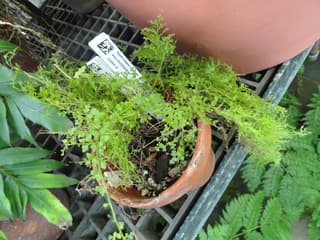
| Boston Fern | Medium | Partial shade | 3d | ✓ |
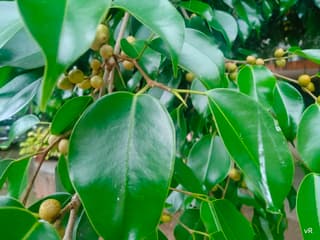
| Weeping Fig | Medium | Partial shade | 10d | ⚠️ |