Orchidaceae
Pansy Orchid (Miltoniopsis phalaenopsis): Complete Care Guide
Miltoniopsis phalaenopsis
Requires bright indirect light, high humidity (60–80%), cool temperatures (12–26°C) and consistently moist media. Fertilize weekly at quarter strength. Mist regularly and repot annually.
Every 5 days
Low light
12.7° - 26°C
60% - 80%
Categories
What is Pansy Orchid?
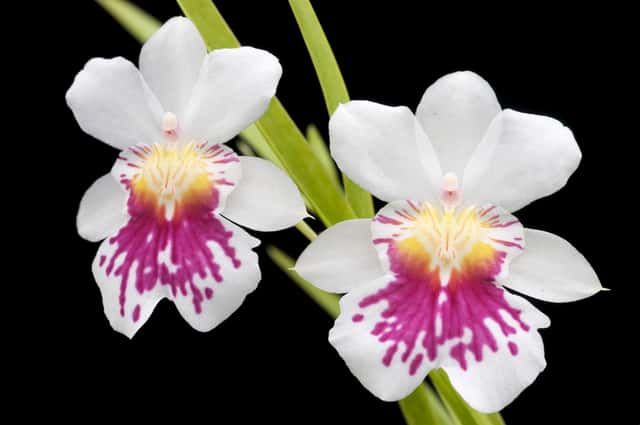
Pansy Orchid (Miltoniopsis phalaenopsis) is a hard-care plant from the Orchidaceae family. Miltoniopsis phalaenopsis, commonly known as the Pansy Orchid, is a cool-growing epiphytic orchid native to the cloud forests of the Colombian Andes. Its large, flat blooms closely resemble garden pansies and come in shades of white, yellow, pink, red and purple with distinctive waterfall patterning...
Pansy Orchid grows up to 50cm, spread of 40cm, watering every 5 days, 12.7°C – 26°C, 60–80% humidity. It is suitable for indoor environments and safe for pets.
Unlike easy-care plants, Pansy Orchid demands constant attention to humidity and light. Not recommended for beginners. Unlike many popular species, Pansy Orchid is safe to keep around pets. Without adequate drainage, root rot can develop within 10 days.
How to Care for Pansy Orchid?
TLDR: Pansy Orchid needs Low light, watering every 5 days, and temperatures between 12.7-26°C with 60-80% humidity.
How Often Should You Water Pansy Orchid?
Water every 5 days using lukewarm water, keeping the medium perpetually lightly moist like a wrung-out sponge. Never allow to dry completely. Flush monthly with rainwater or reverse osmosis water to prevent mineral buildup.
How Much Light Does Pansy Orchid Need?
Place in an east or north-facing window with soft, indirect light. Avoid direct sun which quickly yellows leaves. Aim for 1,000–1,500 foot-candles of light.
What Is the Best Soil for Pansy Orchid?
Use pure New Zealand sphagnum moss or a mix with fine orchid bark. Target pH 6.0–6.5. Medium must retain moisture while allowing airflow. Repot annually.
What Pot Should You Use for Pansy Orchid?
Clear plastic pot (allows root monitoring) or slatted orchid basket. Avoid terracotta which dries too quickly. Prefer smaller pots — the plant likes its roots slightly compressed.
Care Schedule
Fertilize
Every 7 days
Misting
Every 2 days
Repot
Every 365 days
What Is Pansy Orchid and Where Does It Come From?
Miltoniopsis phalaenopsis, commonly known as the Pansy Orchid, is a cool-growing epiphytic orchid native to the cloud forests of the Colombian Andes. Its large, flat blooms closely resemble garden pansies and come in shades of white, yellow, pink, red and purple with distinctive waterfall patterning. It is considered one of the most beautiful orchids in cultivation but requires cool temperatures and high humidity.
How to Propagate Pansy Orchid?
Division
Use sterilized tools. Never divide sick plants. Complete division before October to ensure establishment before winter.
- 1 Wait until flowering finishes in spring
- 2 Carefully remove plant from pot
- 3 Divide pseudobulbs ensuring minimum 3-5 per division
- 4 Treat cuts with powdered fungicide
- 5 Plant each division in fresh sphagnum moss
- 6 Keep in humid shaded location until established
Materials needed:
How Big Does Pansy Orchid Grow?
TLDR: Pansy Orchid can reach up to 50cm tall with Medium growth rate.
Max height
50cm
Spread
40cm
Growth rate
Medium
Foliage
Evergreen
Plant Uses
Ornamental
Great for decoration
Is your plant showing symptoms?
Click on the symptom to discover possible causes:
What Diseases Commonly Affect Pansy Orchid?
TLDR: Pansy Orchid is susceptible to 6 known diseases. Monitor regularly for early detection.
Root Rot
Root rot is a serious fungal disease that affects the root system of plants, causing them to decay and die. It is primarily caused by overwatering, poor drainage, or soil-borne fungi such as Pythium, Phytophthora, Rhizoctonia, and Fusarium. The disease thrives in waterlogged conditions where roots are deprived of oxygen, making them susceptible to fungal infection.
Spider Mites
Spider mites are tiny arachnids (less than 1/20 inch long) related to spiders and ticks that feed on plant sap. They thrive in hot, dry conditions and can cause significant damage to ornamental and vegetable plants. During severe infestations, crop losses can reach 14% or higher as these pests disrupt vital plant processes including photosynthesis, carbon dioxide absorption, and transpiration.
Gray Mold (Botrytis Blight)
Gray mold, caused by the fungus Botrytis cinerea, is one of the most common fungal diseases in plants. It affects over 200 plant species, including ornamentals, vegetables, fruits, and houseplants. The disease thrives in cool, humid conditions with poor air circulation, causing grayish spots and soft rot on infected tissues.
Anthracnose
Anthracnose is a fungal disease caused by fungi in the genus Colletotrichum that affects many plants, including vegetables, fruits, and trees. The disease thrives in cool, wet conditions, causing dark, sunken lesions on leaves, stems, flowers, and fruits.
Meaning & Symbolism
Perfect love, delicacy and exotic Andean beauty
Fun Facts
Native to the Colombian Andes, it grows at altitudes above 1,500 m in cool cloud forests.
Its flowers closely resemble garden pansies, hence the common name Pansy Orchid.
The roots are extremely fine and delicate, making it very sensitive to overwatering.
Each flower spike can carry 4–7 blooms with a soft, pleasant fragrance.
Frequently asked questions
How often should I water a Pansy Orchid?
What temperature does Miltoniopsis phalaenopsis need?
Why are my Pansy Orchid leaves wrinkled?
Is the Pansy Orchid toxic to pets?
When does the Pansy Orchid bloom?
Compare with similar plants
| Attribute | Difficulty | Light | Watering | Pet Safe |
|---|---|---|---|---|
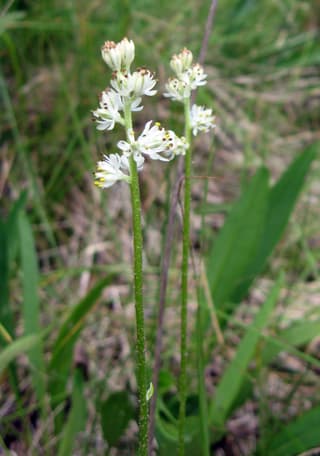
| Sticky false asphodel | Hard | Bright indirect | 1d | ✓ |
| Creeping bentgrass | Hard | Direct sun | 3d | ✓ |
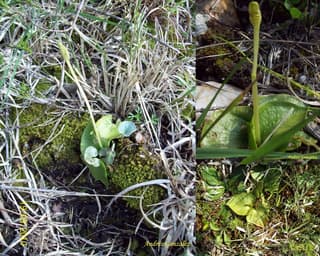
| Bulbous Adder's-tongue | Hard | Partial shade | 4d | ✓ |
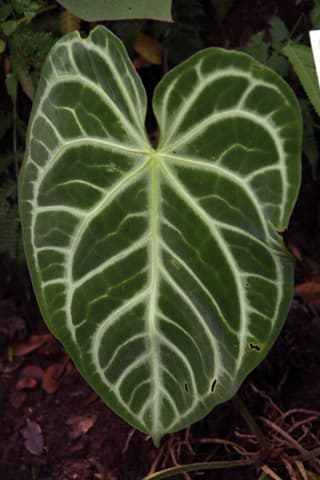
| Crystal Anthurium | Hard | Partial shade | 7d | ⚠️ |