Passifloraceae
Passion Flower (Passiflora sp): How to Grow and Care
Passiflora sp
Passion flower is a fast-growing vine that requires abundant direct sunlight and regular watering. It thrives in warm tropical and subtropical climates and can be grown in gardens or large containers. Provide a trellis or support for climbing, and enjoy spectacular blooms in spring and summer.
Every 3 days
Direct sun
10° - 35°C
55% - 80%
Categories
What is Passion Flower?
Passion Flower (Passiflora sp) is a medium-care plant from the Passifloraceae family. Passiflora sp (Passion Flower) is a vigorous tropical vine native to Brazil and South America, belonging to the Passifloraceae family. Famous for its stunning and intricate flowers featuring colorful filaments in purple, white and blue, it is one of the most exotic and captivating plants in the trop...
Passion Flower grows up to 6.0m, with spread of 300cm, watering every 3 days, 10°C – 35°C, 55–80% humidity. It is suitable for indoor environments and not safe for pets.
Without precautions, ingestion can cause irritation in pets. Keep out of reach of cats and dogs. Without adequate drainage, root rot can develop within 7 days.
How to Care for Passion Flower?
TLDR: Passion Flower needs Direct sun, watering every 3 days, and temperatures between 10-35°C with 55-80% humidity.
How Often Should You Water Passion Flower?
Water every 2-4 days in summer, keeping soil consistently moist but never waterlogged. Reduce watering frequency in winter to once per week. Avoid wetting the foliage directly to prevent fungal diseases.
How Much Light Does Passion Flower Need?
Passion flower needs at least 6 hours of direct sunlight per day to bloom and fruit properly. Place in a full-sun location. When growing indoors, choose the brightest south-facing window available.
What Is the Best Soil for Passion Flower?
Use well-draining, organically rich soil with a pH between 6.0 and 7.0. Amend with compost for best results. Ensure pots or garden beds have excellent drainage to prevent root rot.
What Pot Should You Use for Passion Flower?
Large terracotta or clay pots (minimum 40 cm diameter) with adequate drainage holes. In gardens, raised beds work well. Always provide a trellis, fence, or other support structure for the vine to climb.
Care Schedule
Fertilize
Every 90 days
Misting
Every 3 days
Repot
Every 730 days
What Is Passion Flower and Where Does It Come From?
Passiflora sp (Passion Flower) is a vigorous tropical vine native to Brazil and South America, belonging to the Passifloraceae family. Famous for its stunning and intricate flowers featuring colorful filaments in purple, white and blue, it is one of the most exotic and captivating plants in the tropical flora. Many species also produce delicious edible fruits and have recognized medicinal properties.
How to Propagate Passion Flower?
Seed Sowing
Use fresh seeds for best germination rates. Keep the medium evenly moist throughout the process.
- 1 Soak seeds in warm water for 24 hours before planting
- 2 Sow seeds 1 cm deep in moist, well-draining potting mix
- 3 Keep in a warm location (25-30°C) with indirect light
- 4 Transplant seedlings when they reach 10-15 cm tall
Materials needed:
Stem Cutting
Use sterilized tools to prevent disease. Maintain high humidity around the cutting using a plastic bag tent.
- 1 Cut a healthy semi-woody stem 15-20 cm long with at least 2-3 nodes
- 2 Remove lower leaves, leaving only 2-3 at the top
- 3 Dip the cut end in rooting hormone powder
- 4 Insert into moist potting mix and keep in a warm, bright spot out of direct sun
Materials needed:
How Big Does Passion Flower Grow?
TLDR: Passion Flower can reach up to 6.0m tall with Fast growth rate.
Max height
6.0m
Spread
3.0m
Growth rate
Fast
Foliage
Evergreen
Warning: Toxic Plant
This plant can be toxic if ingested. Keep out of reach of:
Plant Uses
Ornamental
Great for decoration
Edible
Can be consumed
Medicinal
Medicinal properties
Medicinal Uses
- Anxiolytic and sedative properties from leaves and flowers used in herbal teas
- Used to treat insomnia and anxiety in herbal medicine
- Recognized in traditional and modern phytotherapy
Culinary Uses
- Fresh fruits eaten raw or juiced
- Pulp used in ice creams, mousses, and desserts
- Juice popular in tropical beverages and cocktails
Is your plant showing symptoms?
Click on the symptom to discover possible causes:
What Diseases Commonly Affect Passion Flower?
TLDR: Passion Flower is susceptible to 12 known diseases. Monitor regularly for early detection.
Root Rot
Root rot is a serious fungal disease that affects the root system of plants, causing them to decay and die. It is primarily caused by overwatering, poor drainage, or soil-borne fungi such as Pythium, Phytophthora, Rhizoctonia, and Fusarium. The disease thrives in waterlogged conditions where roots are deprived of oxygen, making them susceptible to fungal infection.
Fusarium Wilt
Fusarium wilt is a serious fungal disease caused by the soil-borne fungus Fusarium oxysporum. The fungus invades roots and blocks the water-conducting vessels (xylem) of the plant, causing progressive wilting and eventual death. Host-specific forms of the pathogen exist that attack different plant species.
Anthracnose
Anthracnose is a fungal disease caused by fungi in the genus Colletotrichum that affects many plants, including vegetables, fruits, and trees. The disease thrives in cool, wet conditions, causing dark, sunken lesions on leaves, stems, flowers, and fruits.
Alternaria Leaf Spot
Alternaria leaf spot is a common fungal disease caused by Alternaria solani and Alternaria alternata that affects a wide range of plants including tomatoes, potatoes, brassicas, and ornamentals. The disease thrives in warm, humid conditions and can cause significant crop damage if left untreated. Spores overwinter on plant debris and can attach to seeds, making complete elimination difficult.
Meaning & Symbolism
In Christian tradition, the passion flower symbolizes the Passion of Christ — the filaments represent the crown of thorns, the three stigmas the nails, and the petals the apostles. It also symbolizes joy, exotic beauty, and the rich biodiversity of tropical South America.
Fun Facts
The genus Passiflora has over 550 species, most native to Brazil and South America
Each passion flower blooms for just one day, opening in the morning and closing in the evening
The colorful filaments of passion flowers attract bees and hummingbirds as pollinators
The vine grows so vigorously it can climb up to 9 meters in a single growing season
Frequently asked questions
How often should I water my passion flower?
Can passion flower be grown in a pot?
Why is my passion flower not blooming?
Is passion flower toxic to pets?
How do I propagate passion flower?
Compare with similar plants
| Attribute | Difficulty | Light | Watering | Pet Safe |
|---|---|---|---|---|
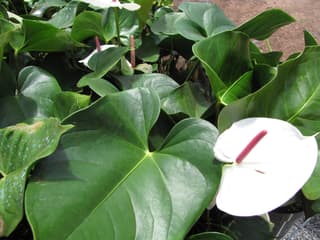
| Flamingo Flower | Medium | Partial shade | 5d | ⚠️ |
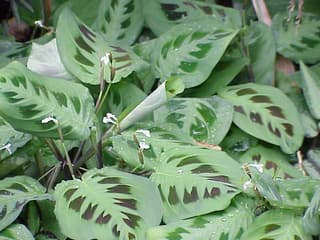
| Prayer Plant | Medium | Partial shade | 3d | ✓ |
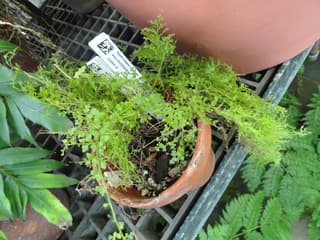
| Boston Fern | Medium | Partial shade | 3d | ✓ |
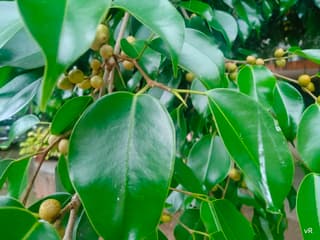
| Weeping Fig | Medium | Partial shade | 10d | ⚠️ |